Poison Ivy: How to Identify and Control It
Toxicodendron radicans · Perennial woody vine
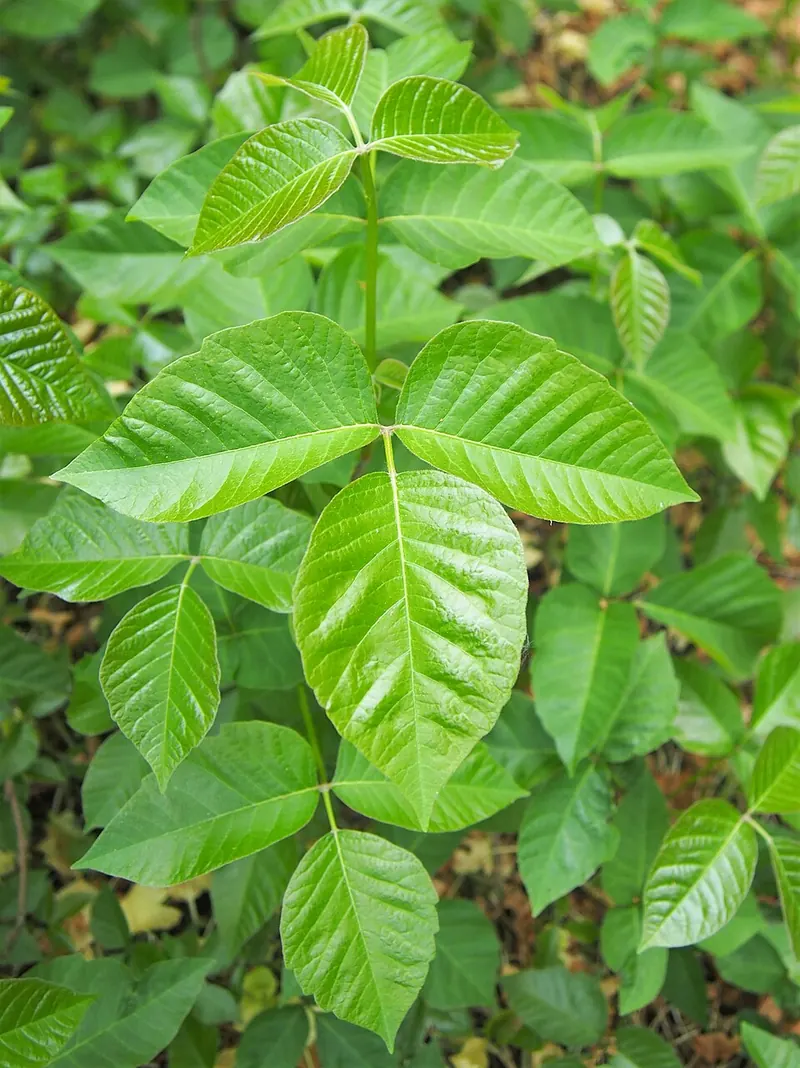

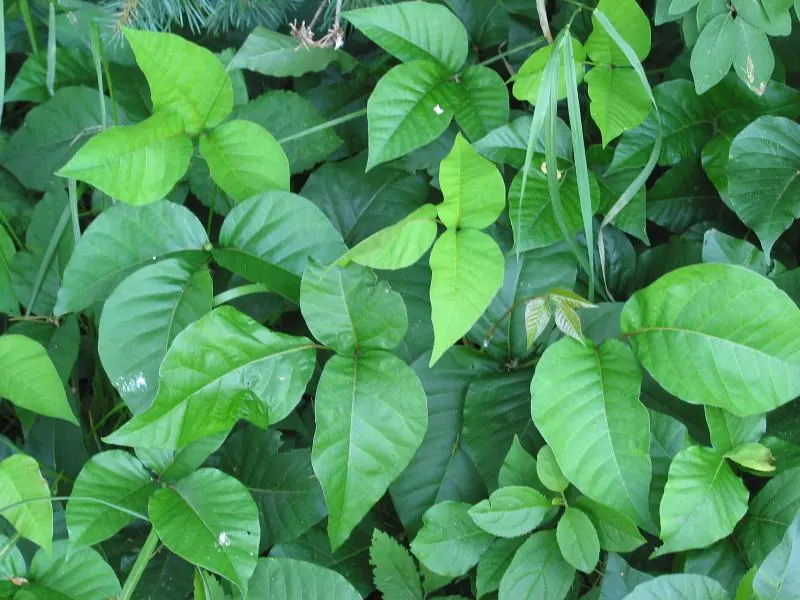

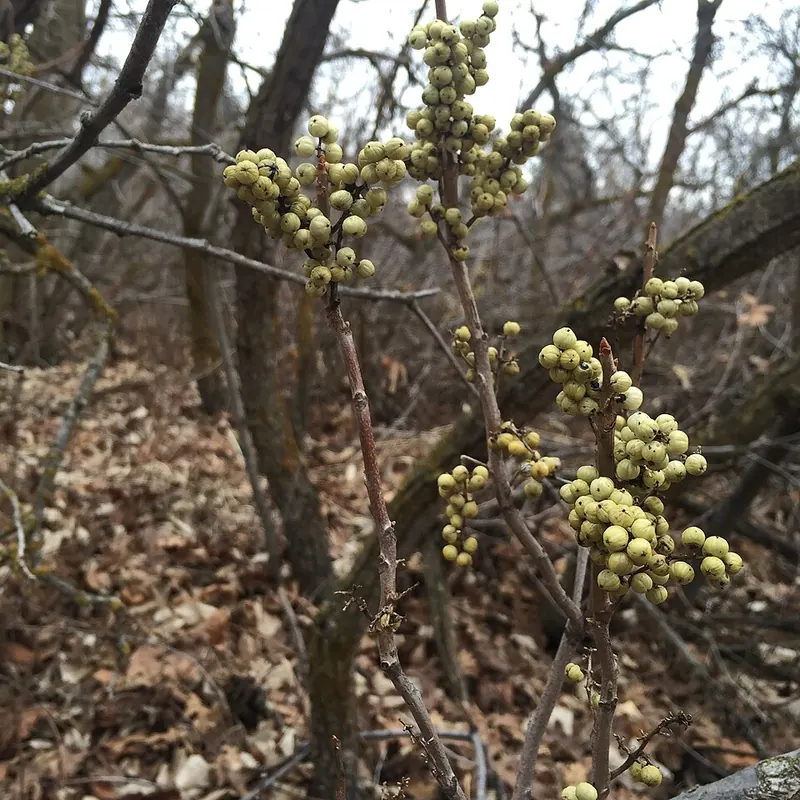

How to identify poison ivy
- "Leaves of three" — the middle leaflet has a longer stalk
- Leaflet edges smooth, toothed or lobed; glossy or dull
- Grows as a groundcover, shrub or hairy, rope-like climbing vine
- Clusters of whitish berries in fall and winter
Why it shows up
Spreads by birds eating the berries and by creeping stems along woodland edges, fence lines and hedges. Every part contains urushiol, the oil that causes the rash, even in winter.
Where it's a problem
- Northeast & Mid-Atlantic (zones 4–8)
- Southeast (zones 7–10)
- Midwest (zones 4–7)
- Great Plains & Texas (zones 3–9)
- West & Pacific Northwest — West of the Rockies, Pacific poison oak (Toxicodendron diversilobum) is the main concern; western poison ivy occurs in parts of the interior West.
Control methods
1. Cultural (prevention)
- Learn to recognize it in all seasons
- Wear gloves, long sleeves and wash tools and clothing afterward
2. Mechanical
- Pull small plants with heavy disposable gloves after rain; bag them. Cut climbing vines at the base
- Never burn it — the smoke is dangerous to breathe
3. Organic options
- Smothering with heavy mulch or tarps over a full season
- Goats will eat it (removal from your yard, not a cure)
4. Chemical options
Herbicide safety — always follow the label. The label is the law: use only products labeled for your site, turfgrass or crop, and follow rates, timing, weather limits and protective equipment directions exactly. Keep people and pets off treated areas as directed, and check state and local rules. Active ingredients named here are examples from extension guidance, not endorsements; availability varies by state.
- Spot-treat leaves with products containing triclopyr or glyphosate, labeled for poison ivy; cut-stump treatment for vines
- Avoid drift onto desirable plants; repeat treatments are common
When to treat poison ivy by USDA zone
| USDA zone | Typical timing (from NOAA frost-date medians) |
|---|---|
| Zone 3 | Treat fully leafed-out plants from about Jun 16 through late summer; cut-stump treatment any time the ground isn't frozen |
| Zone 4 | Treat fully leafed-out plants from about Jun 9 through late summer; cut-stump treatment any time the ground isn't frozen |
| Zone 5 | Treat fully leafed-out plants from about Jun 2 through late summer; cut-stump treatment any time the ground isn't frozen |
| Zone 6 | Treat fully leafed-out plants from about May 26 through late summer; cut-stump treatment any time the ground isn't frozen |
| Zone 7 | Treat fully leafed-out plants from about May 11 through late summer; cut-stump treatment any time the ground isn't frozen |
| Zone 8 | Treat fully leafed-out plants from about Apr 23 through late summer; cut-stump treatment any time the ground isn't frozen |
| Zone 9 | Treat fully leafed-out plants from about Mar 25 through late summer; cut-stump treatment any time the ground isn't frozen |
Zones 10–11 (frost rare): follow germination flushes after rains; pre-emergents in late summer/fall for winter weeds and late winter for summer weeds. Find your exact frost dates with the ZIP planner. Soil temperature and the product label take priority over the calendar.
Frequently asked questions
How do I get rid of poison ivy naturally?
Start with cultural and mechanical controls: Learn to recognize it in all seasons; Wear gloves, long sleeves and wash tools and clothing afterward; Pull small plants with heavy disposable gloves after rain; bag them. Cut climbing vines at the base; Never burn it — the smoke is dangerous to breathe.
What does poison ivy look like?
"Leaves of three" — the middle leaflet has a longer stalk; Leaflet edges smooth, toothed or lobed; glossy or dull; Grows as a groundcover, shrub or hairy, rope-like climbing vine; Clusters of whitish berries in fall and winter.
When is the best time to treat poison ivy?
Treat fully leafed-out plants from late spring through summer, or cut vines and treat stumps.
Where is poison ivy a problem in the US?
Poison Ivy is common in: Northeast & Mid-Atlantic, Southeast, Midwest, Great Plains & Texas.
Sources & further reading
- NC State Extension Gardener Plant Toolbox: Toxicodendron radicans
- Ziska et al. (2007). Rising Atmospheric Carbon Dioxide and Potential Impacts on the Growth and Toxicity of Poison Ivy (Toxicodendron radicans). Weed Science. doi:10.1614/ws-06-190
- Herbicide examples are typical active ingredients named in university extension guides; products and registrations vary by state. See your state Cooperative Extension weed-control guide.
Related weeds in the same regions
Crabgrass · Dandelion · White Clover · Field Bindweed · Yellow Nutsedge · Common Chickweed · Broadleaf Plantain · Creeping Charlie (Ground Ivy) · All 27 weeds
Planning a garden? See planting calendars by state & zone.