Purple Deadnettle: How to Identify and Control It
Lamium purpureum · Winter annual broadleaf
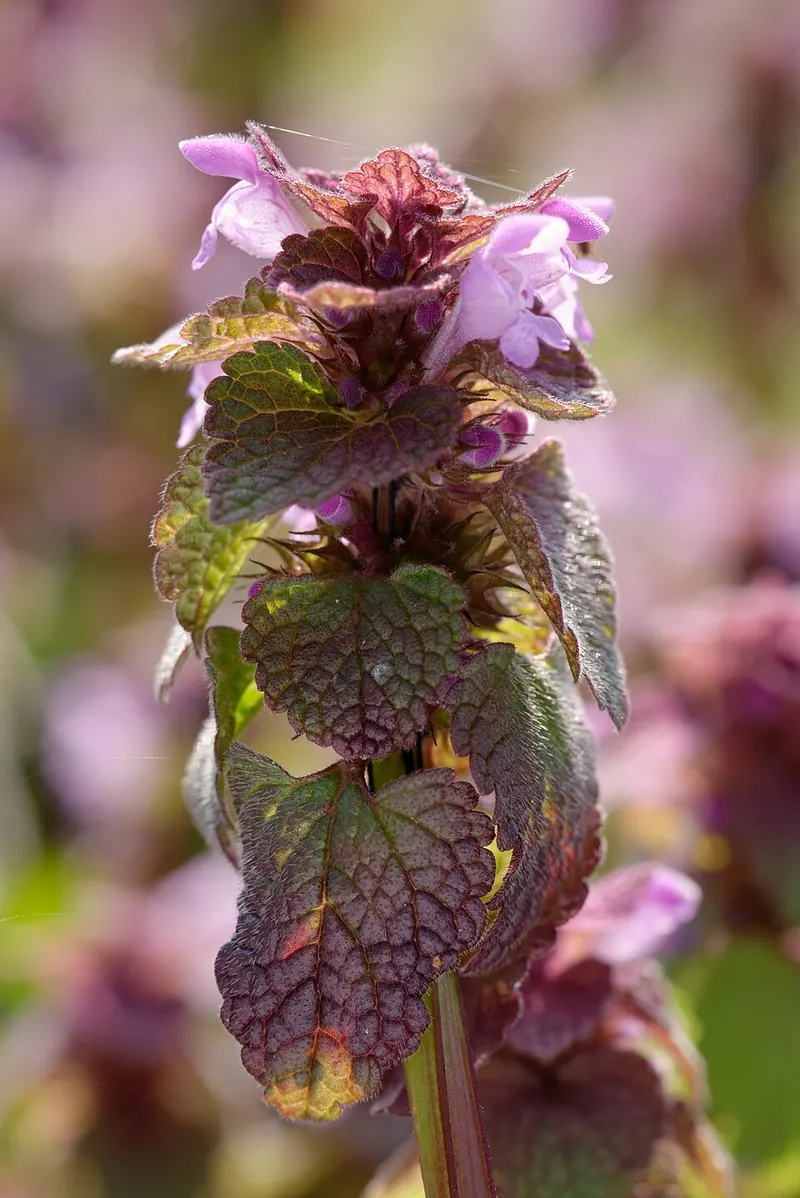

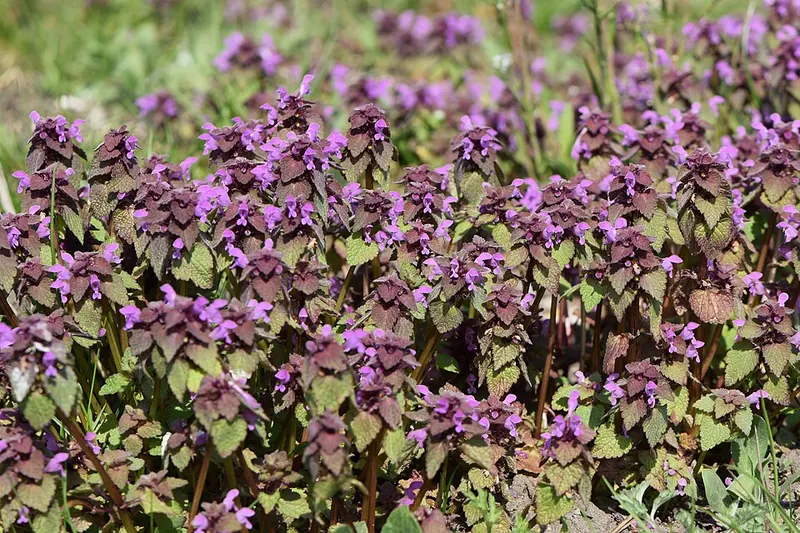

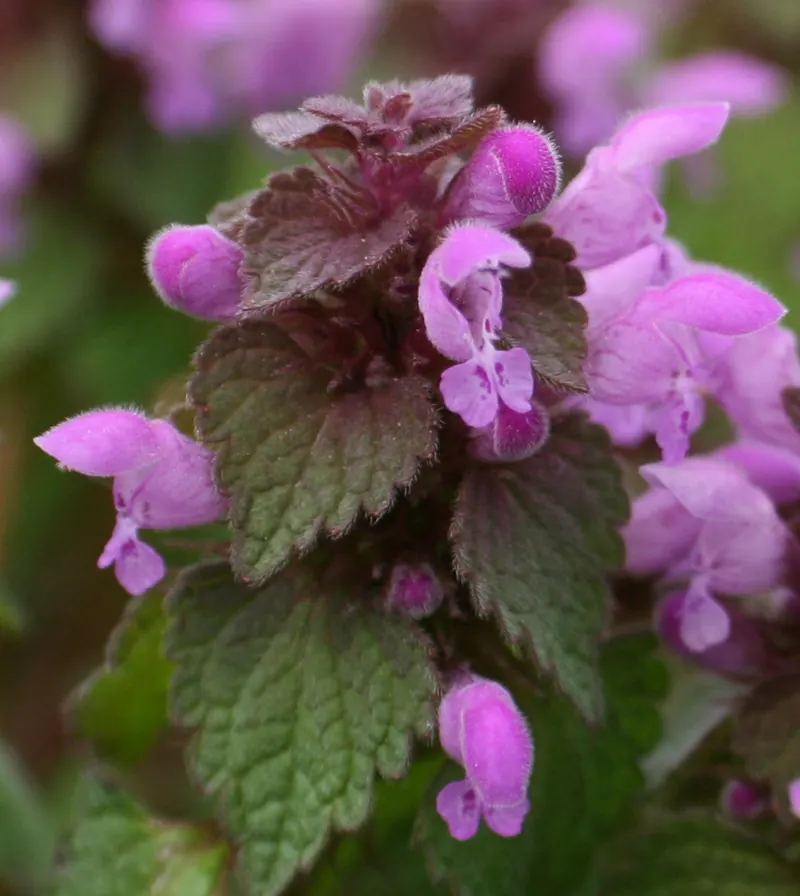

How to identify purple deadnettle
- Square stems
- Triangular, heart-shaped leaves with stalks
- Upper leaves purple-tinged and crowded at the top
- Pink-purple flowers in early spring
Why it shows up
A close cousin of henbit with the same fall-to-spring life cycle. It is common in thin turf, garden beds and fallow fields.
Where it's a problem
- Northeast & Mid-Atlantic (zones 4–8)
- Southeast (zones 7–10)
- Midwest (zones 4–7)
Control methods
1. Cultural (prevention)
- Thicken turf with fall overseeding
- Mulch beds
2. Mechanical
- Pull or hoe in fall or early spring
3. Organic options
- Mulches; hand-pulling before seed set
4. Chemical options
Herbicide safety — always follow the label. The label is the law: use only products labeled for your site, turfgrass or crop, and follow rates, timing, weather limits and protective equipment directions exactly. Keep people and pets off treated areas as directed, and check state and local rules. Active ingredients named here are examples from extension guidance, not endorsements; availability varies by state.
- Same as henbit: late-summer pre-emergent, or fall/early-spring broadleaf post-emergent herbicide labeled for your lawn
When to treat purple deadnettle by USDA zone
| USDA zone | Typical timing (from NOAA frost-date medians) |
|---|---|
| Zone 3 | Pre-emergent around Jul 29–Aug 19 (5–8 weeks before the typical first fall frost, Sep 23); post-emergent on young plants in fall |
| Zone 4 | Pre-emergent around Aug 5–Aug 26 (5–8 weeks before the typical first fall frost, Sep 30); post-emergent on young plants in fall |
| Zone 5 | Pre-emergent around Aug 12–Sep 2 (5–8 weeks before the typical first fall frost, Oct 7); post-emergent on young plants in fall |
| Zone 6 | Pre-emergent around Aug 24–Sep 14 (5–8 weeks before the typical first fall frost, Oct 19); post-emergent on young plants in fall |
| Zone 7 | Pre-emergent around Sep 2–Sep 23 (5–8 weeks before the typical first fall frost, Oct 28); post-emergent on young plants in fall |
| Zone 8 | Pre-emergent around Sep 15–Oct 6 (5–8 weeks before the typical first fall frost, Nov 10); post-emergent on young plants in fall |
| Zone 9 | Pre-emergent around Oct 6–Oct 27 (5–8 weeks before the typical first fall frost, Dec 1); post-emergent on young plants in fall |
Zones 10–11 (frost rare): follow germination flushes after rains; pre-emergents in late summer/fall for winter weeds and late winter for summer weeds. Find your exact frost dates with the ZIP planner. Soil temperature and the product label take priority over the calendar.
Frequently asked questions
How do I get rid of purple deadnettle naturally?
Start with cultural and mechanical controls: Thicken turf with fall overseeding; Mulch beds; Pull or hoe in fall or early spring.
What does purple deadnettle look like?
Square stems; Triangular, heart-shaped leaves with stalks; Upper leaves purple-tinged and crowded at the top; Pink-purple flowers in early spring.
When is the best time to treat purple deadnettle?
It germinates in fall, so apply a pre-emergent in late summer, roughly 5–8 weeks before your first fall frost, and treat young plants in fall.
Where is purple deadnettle a problem in the US?
Purple Deadnettle is common in: Northeast & Mid-Atlantic, Southeast, Midwest.
Sources & further reading
- NC State Extension Gardener Plant Toolbox: Lamium purpureum
- Mock et al. (2009). Plant Growth and Soybean Cyst Nematode Response to Purple Deadnettle (Lamium purpureum), Annual Ryegrass, and Soybean Combinations. Weed Science. doi:10.1614/ws-09-005.1
- Herbicide examples are typical active ingredients named in university extension guides; products and registrations vary by state. See your state Cooperative Extension weed-control guide.
Related weeds in the same regions
Crabgrass · Dandelion · White Clover · Field Bindweed · Yellow Nutsedge · Common Chickweed · Broadleaf Plantain · Creeping Charlie (Ground Ivy) · All 27 weeds
Planning a garden? See planting calendars by state & zone.