
How to Grow Amaranth: Planting, Spacing, Care & Harvest
Quick answer
Start indoors 3–4 weeks before last frost (UMN) or direct sow after last frost / soil >60°F (UNR). Not globe amaranth (Gomphrena).
Amaranth at a glance


Weeks relative to last frost (LF). Colored weeks show when our ZIP planner schedules each step.
Jump to
Updated
Planting dates for your ZIP: the ZIP planting planner counts each window from your local frost dates.
Organic pests and diseases: see also organic pest control. Use any product as the label directs.
Not globe amaranth: this page is vegetable/grain Amaranthus. Ornamental globe amaranth is Gomphrena — see planting guides for bedding flowers.

Planting timing
University of Minnesota CPBT: “Sow directly or start indoors 3–4 weeks before last frost.” Germination around 60°F soil. (UMN Amaranth sheet) University of Nevada Reno: amaranth is “not frost tolerant” and “should be planted when soil temperatures exceed 60 degrees Fahrenheit and after the last expected frost.” (UNR amaranth)
Depth and spacing
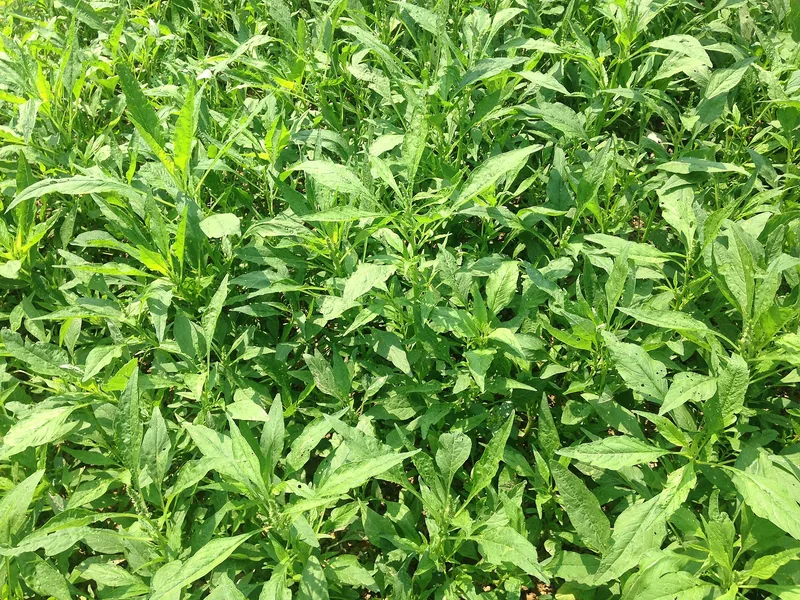
Tiny seed — sow shallow. Thin for leaf harvest; plants can grow tall and may need support. UMN notes weedy habits and a tendency to outcompete other plants — contain volunteers.
Sun, soil and water
UMN: full sun; fertile, well-draining soil. Warm-season crop.
Care
Harvest leaves continually once about 8 inches tall (UMN). Watch for self-seeding.
Harvest
UMN: leaf bunches about 40–59 days; seed about 90–100 days.
Pests and diseases
Cultural weed control matters — amaranth itself can behave weedy (UMN). Rotate and keep beds clean.
Related: ZIP planner · all grow guides · organic pest control
Frequently asked questions
When do I plant amaranth?
Indoors 3–4 weeks before last frost (UMN) or direct sow after last frost (UNR).
Is this globe amaranth?
No — globe amaranth is Gomphrena, a bedding flower.
Will it reseed?
UMN notes weedy habits — pick up seed heads if you do not want volunteers.
More grow guides: All grow guides
Sources
- University of Nevada, Reno Extension: UNR amaranth