
How to Grow Parsnips: Planting, Spacing, Care & Harvest
Quick answer
Direct sow only — never pots (UMN). CSU semi-hardy window: 0–2 weeks before average last spring frost. UNH says plant seed after last frost at 0). Wear long pants, long sleeves, and gloves when weeding or harvesting (UMN).
Parsnips at a glance


Weeks relative to last frost (LF). Colored weeks show when our ZIP planner schedules each step.
Jump to
Updated
Planting dates for your ZIP: the ZIP planting planner counts each window from your local frost dates.
Organic pests and diseases: see also organic pest control. Use any product as the label directs.
Safety: UMN: “Some people develop a rash from contact with parsnip leaves, particularly on bright sunny days. Wear long pants, long sleeves and gloves when weeding or harvesting parsnips.” (UMN carrots and parsnips)
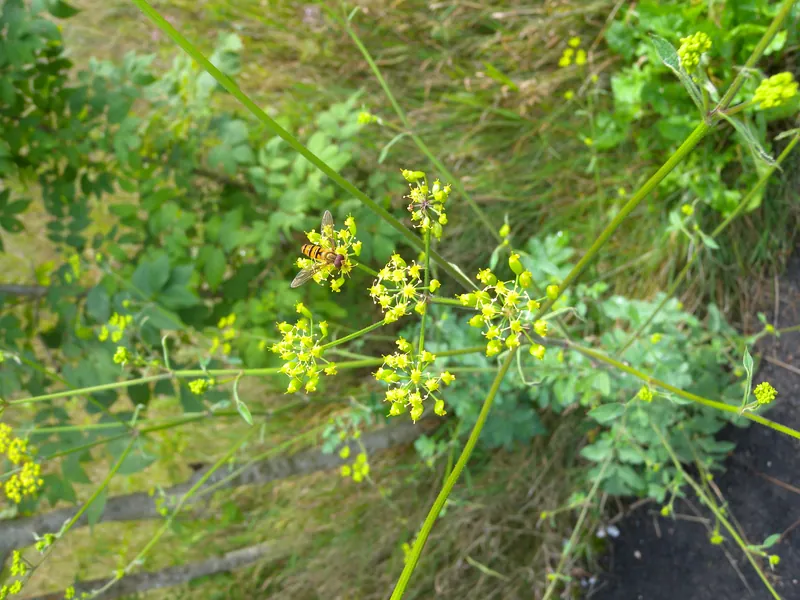

Planting timing
Colorado State lists parsnips among semi-hardy vegetables; plant as early as 0–2 weeks before the average last spring frost when soil is workable. (CSU vegetable planting guide) UNH: “Parsnip — Plant seed in garden after last frost.” (UNH when to plant) UMN: always direct seed; never pots; seeds can take up to three weeks to germinate. Planner: Direct sow last frost −2 to 0 (CSU); Direct sow (UNH) last frost 0. Both are shown because the sources differ.
Depth and spacing
UMD: depth ¼ to ⅜ inch; rows 18–30 inches; thin to 2–4 inches in the row. (UMD Parsnips PDF) UMN: thin when seedlings are 3–4 inches tall to about 2–4 inches apart. Never transplant — the taproot does not like pots.
Sun, soil and water
Deep sandy loam; not heavy or rocky (UMN). About 1 inch of water per week or roots turn bitter, tough, or misshapen (UMN). Prefer compost; excess nitrogen favors tops over roots — we omit printed rates.
Care
Mulch about 3–4 inches of weed-free organic material (UMN). Wear sleeves and gloves when working among the foliage (UMN safety note).
Harvest
UMN: leave roots until late fall or even early spring; cold increases sugar; dig before a spring flower stalk forms. Roots about 10–12 inches long — use a fork. UMD: starch converts to sugar after 2–3 weeks storage below 35°F; leaving roots in the ground over winter is not required for sweetness.
Pests and diseases
UMD: leafhoppers (aster yellows), aphids, whiteflies; Alternaria/Cercospora leaf spots; Rhizoctonia; powdery mildew. Cultural: row covers vs leafhoppers; control plantain and dandelion hosts. UMN also notes cutworms, root maggots, and aster yellows (hairy bitter roots, yellow tops).
Related: ZIP planner · organic pest control · carrots · all grow guides
Frequently asked questions
When do I sow parsnips?
CSU: 0–2 weeks before last frost. UNH: after last frost.
Should I start parsnips indoors?
No — direct sow only (UMN).
Do I need gloves?
Yes if you get a rash from the sap — long sleeves and gloves on sunny days (UMN).
More grow guides: All grow guides
Sources
- University of Minnesota Extension: UMN carrots and parsnips
- Colorado State University Extension: CSU vegetable planting guide
- UNH Extension: When to Plant Your Vegetable Garden
- University of Maryland Extension: UMD Parsnips PDF