
How to Grow Passionflower (Maypop): Planting, Spacing, Care & Harvest
Quick answer
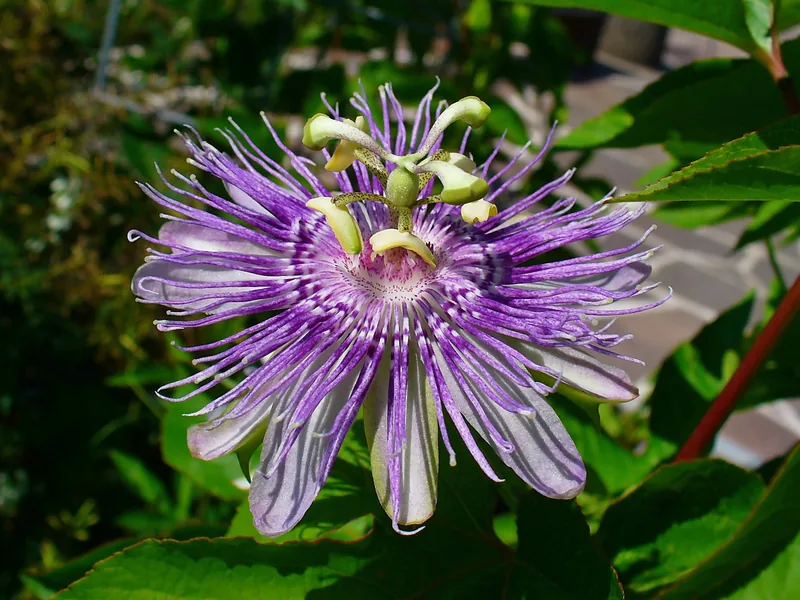
Hardy maypop (Passiflora incarnata) — seasonal planting language only; NC State Medium: leaves/stems poisonous; ripe fruit not the listed toxic part. Tropical P. edulis is a different plant.
Passionflower at a glance


Jump to
Updated
Planting dates for your ZIP: the ZIP planting planner counts each window from your local frost dates.
Organic pests and diseases: see also organic pest control. Use any product as the label directs.
Safety: NC State poison severity Medium for Passiflora incarnata — leaves and stems. Ripe fruit is not the listed toxic part. (NC State maypop)

Planting timing
NC State: hardy zones 5a–9b; dies to ground in cold winters; seed or root cutting; spreads by root suckers. (NC State maypop) UT Smart Yards: “Emerges fairly late in spring after all danger of frost is over” (established plants). Seed germination sporadic; cuttings/division more predictable. (UT Passiflora incarnata) No integer frost-week seed/transplant offsets — seasonal language only.
Depth and spacing
Provide a sturdy trellis; allow room for suckering clumps.
Sun, soil and water
Full sun to light shade; well-drained soil.
Care
Train vines; cut back dead tops after frost in cold climates.
Harvest
Ripe fruit when fragrant and colored — do not eat leaves/stems (NC Medium).
Pests and diseases
Cultural site and airflow first.
Related: ZIP planner · all grow guides · organic pest control
Frequently asked questions
Safe to eat leaves?
No — NC Medium for leaves/stems; ripe fruit is the food part.
Same as P. edulis?
No — tropical passionfruit is different.
More grow guides: All grow guides
Sources
- NC State Extension: NC State maypop