
How to Grow Tarragon: Planting, Spacing, Care & Harvest
Quick answer
Transplant or set divisions after frost danger (UMN/MU). Prefer French culinary ‘Sativa’ from nursery plants or division — seed-grown/wild types are often bland (NC State). NC State Low poison note for pets in quantity.
Tarragon at a glance


Weeks relative to last frost (LF). Colored weeks show when our ZIP planner schedules each step.
Jump to
Updated
Planting dates for your ZIP: the ZIP planting planner counts each window from your local frost dates.
Organic pests and diseases: see also organic pest control. Use any product as the label directs.
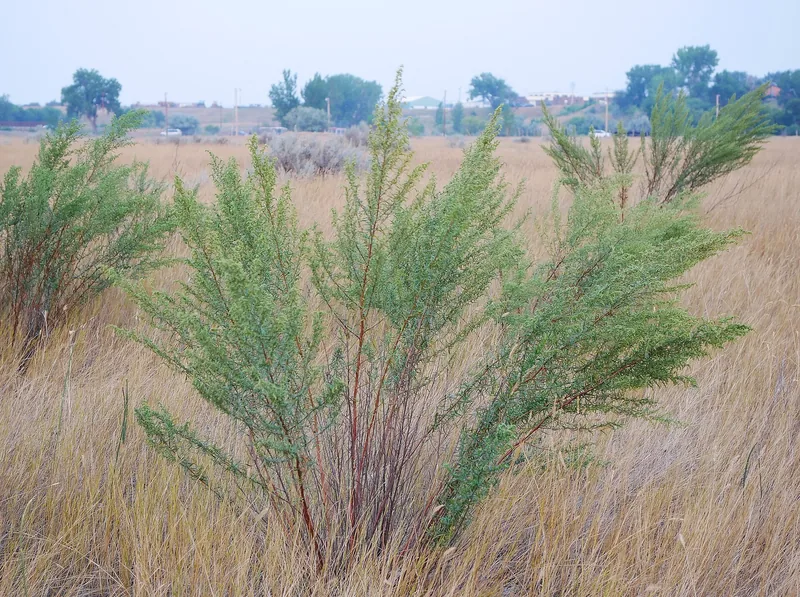
French vs seed-grown: NC State: wild Artemisia dracunculus “has minimal fragrance and its flavor may be bland or unpleasant.” Culinary A. dracunculus ‘Sativa’ (French tarragon) has a “more pungent anise-like flavor” and “rarely flowers.” Propagate by division or cuttings, not seed. (NC State Artemisia dracunculus)
Pets: NC State poison severity Low for dogs, cats, and horses if ingested in quantity. Small culinary amounts for people are the usual kitchen use — not veterinary advice.

Planting timing
University of Minnesota Growing herbs: “Transplant after the danger of frost has passed.” Soil at or above 50°F and workable. (UMN growing herbs) Missouri Extension: many herbs started indoors then “plant them in the garden after danger of frost is past.” Tarragon is listed as a perennial propagated by division or cuttings (not seed). (MU G6470) Planner: Transplant at last frost (0).
Depth and spacing
MU table: height about 24 inches; “Grows best in partial shade.” NC State: height 1–3 feet, width 1–1.5 feet; available space 12 inches–3 feet; full sun; well-drained to very dry; pH 6.0–8.0. Present both sun notes labeled — MU partial shade vs NC full sun.
Sun, soil and water
NC: dry, sunny, pH-neutral, well-drained; declines in wet humid summers or cold wet winters. Avoid moist poorly drained soil (root/crown rot). UMN herbs: full sun generally; well-drained pH 6.0–7.5. MU: rich, dry soil; winter protection in colder climates.
Care
MU: division works well. NC: remove flower buds / deadhead / cut back to keep growth robust on types that flower. Prefer French nursery stock over seed packets.
Harvest
MU: leaves and stems fresh for vinegar; “Flavor is lost during drying.” Harvest leafy stems as needed through the season.
Pests and diseases
NC: root or crown rot in moist, poorly drained soils — improve drainage first. Few other pests strongly sourced for home gardens.
Related: chives · lemon balm · ZIP planner
Frequently asked questions
When do I plant tarragon outside?
After frost danger.
French or seed packet?
Prefer French ‘Sativa’ from nursery divisions or cuttings (NC). Seed-grown/wild types are often bland.
Can I grow it from seed?
French rarely flowers or sets useful seed (NC). Use division or cuttings (MU/NC).
More grow guides: All grow guides
Sources
- NC State Extension: NC State Artemisia dracunculus
- University of Minnesota Extension: UMN growing herbs
- University of Missouri Extension: G6470