
How to Grow Watercress: Planting, Spacing, Care & Harvest
Quick answer
Direct sow about 3 weeks before the frost-free date (USU). Transplant after last frost (USU). Can escape into the wild; do not harvest wild watercress (USU/UAF). Not garden cress.
Watercress at a glance


Weeks relative to last frost (LF). Colored weeks show when our ZIP planner schedules each step.
Jump to
Updated
Planting dates for your ZIP: the ZIP planting planner counts each window from your local frost dates.
Organic pests and diseases: see also organic pest control. Use any product as the label directs.
Not garden cress: watercress is Nasturtium officinale (aquatic/semi-aquatic). Garden cress is a different crop — see how to grow garden cress.
Escape / wild harvest: USU and UAF warn watercress can escape into waterways. Do not harvest wild watercress — pollution and look-alike risks. Keep cultivated plants from spreading into streams.
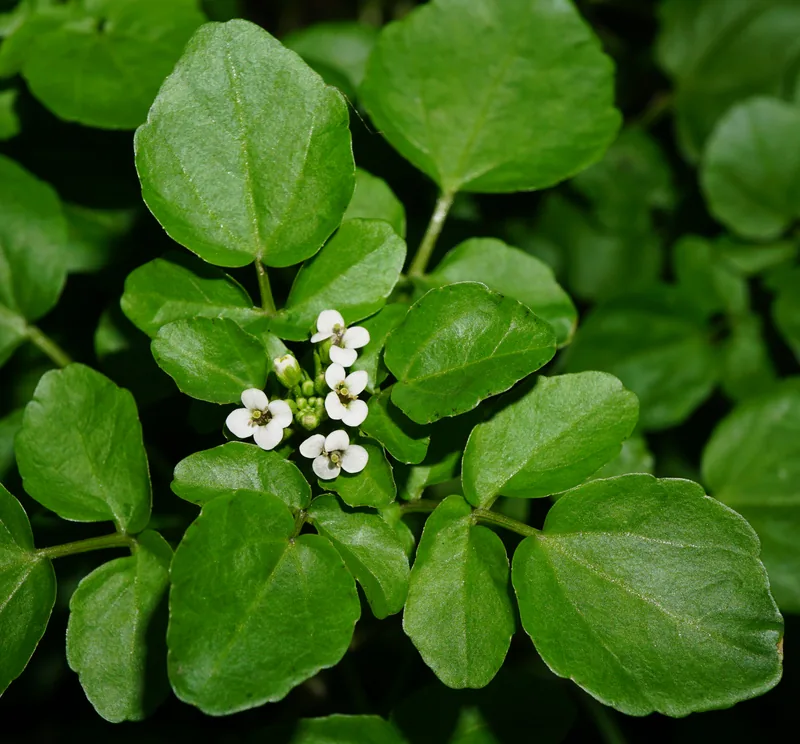

Planting timing
USU: “Seeds should be sown just below the soil surface, about ¼ inch deep, roughly three weeks before the frost-free date for your area.” “When transplanting, space plants 8 inches apart … after the last frost.” (USU watercress) UAF: start seed as other brassicas; transplant; keep moist; do not let plant parts/seeds escape into waterways. (UAF brassicas)
Depth and spacing
USU: about ¼ inch deep; transplants 8 inches apart.
Sun, soil and water
Constant moisture — containers or wet margins. Do not release into natural waterways (USU/UAF).
Care
Keep moist; contain culture to prevent escape.
Harvest
Cut young tips from cultivated plants only — never wild-harvested (USU/UAF).
Pests and diseases
Cultural containment first; brassica pests possible.
Related: garden cress · ZIP planner · organic pest control
Frequently asked questions
When do I sow?
About 3 weeks before frost-free date (USU).
When transplant?
After last frost (USU).
Wild watercress?
Do not harvest wild plants (USU/UAF).
More grow guides: All grow guides
Sources
- Utah State University Extension: USU watercress