
How to Grow Bee Balm (Monarda): Planting, Spacing, Care & Bloom
Quick answer
Divide clumps every 2 or 3 years in early spring before growth begins (Cornell), or spring or fall (Clemson). Prevent powdery mildew with air flow, thinning, and by avoiding overhead water (Cornell, NC State). Not lemon balm (Melissa).
Bee balm at a glance


Jump to
Updated
Bee balm (Monarda didyma) — scarlet bee balm / Oswego tea. Not lemon balm (Melissa officinalis).
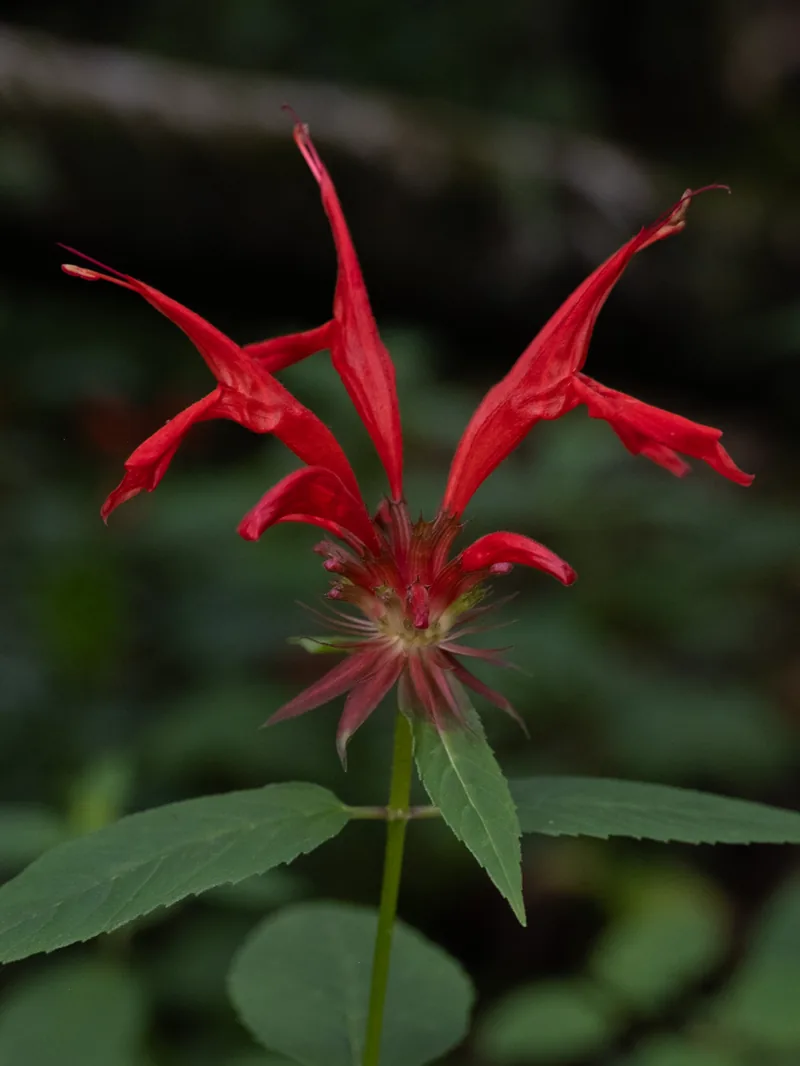

Sourced from university extension guides. For dates where you live, use the ZIP planting planner.
Planting timing
Cornell: propagate by seed (cold frame; germinate 10–40 days), cuttings, or division. “Divide clumps… every 2 or 3 years in early spring before growth begins.” (Cornell bee balm) Clemson: divide every 3 years; spring or fall. (Clemson dividing perennials) Iowa State: divide in spring, about every third year. (ISU divide perennials) No indoor Start frost-week integer is sourced on trusted extension pages — do not invent weeks; prefer division or nursery plants.
Depth and spacing
NC State: height to about 4 ft; width 2–3 ft. Cornell: height 2–4 ft; spread 1.5–3 ft. Space for air flow to reduce mildew.
Sun, soil and water
Full sun to part shade; continuous summer moisture but not winter wet (Cornell). NC: moist well-drained. Clay OK (Cornell).
Care
Deadhead to prolong bloom (Cornell). Thin stems early; cut back by half when about 1 ft tall to delay height/mildew (Cornell). If mildew after bloom, cut to healthy basal leaves (Cornell). Divide every 2–3 years. NC: leave hollow stems 12–24 in for native bee nesting until they break down.
Bloom
Mid to late summer (Cornell). Attracts bees, hummingbirds, and butterflies (NC/Cornell).
Pests and diseases
Cornell: powdery mildew common after flowering; crown rot; stalk borer. Cultural: thin stems, air circulation, cut infected foliage. NC: powdery mildew and rust — avoid overhead watering. Growing conditions prevent mildew better than sprays alone.
Related: ZIP planner · lemon balm · organic pest control
Frequently asked questions
When do I plant or divide bee balm?
Early spring before growth (Cornell) or spring/fall (Clemson). Divide about every 2 to 3 years. No indoor Start weeks sourced.
Same as lemon balm?
No — Monarda vs Melissa.
How do I prevent powdery mildew?
Air flow, thinning, avoid overhead water, cut infected foliage after bloom (Cornell/NC).
Sources
- Cornell University CALS: Cornell bee balm
- Clemson Cooperative Extension: Clemson dividing perennials
- Iowa State University Extension: ISU divide perennials