
How to Grow Coleus: Planting, Spacing, Care & Pests
Quick answer
Set coleus out after frost danger has passed (Penn State). Start seed indoors about 4–6 weeks before last frost (Penn State) or allow 6–8 weeks to transplant size (Clemson). Default to part shade; use sun-tolerant cultivars only if sold for full sun. Pinch tips for denser foliage; shear flower spikes if you grow for leaves.
Coleus at a glance


Weeks relative to last frost (LF). Colored weeks show when our ZIP planner schedules each step.
Jump to
Updated
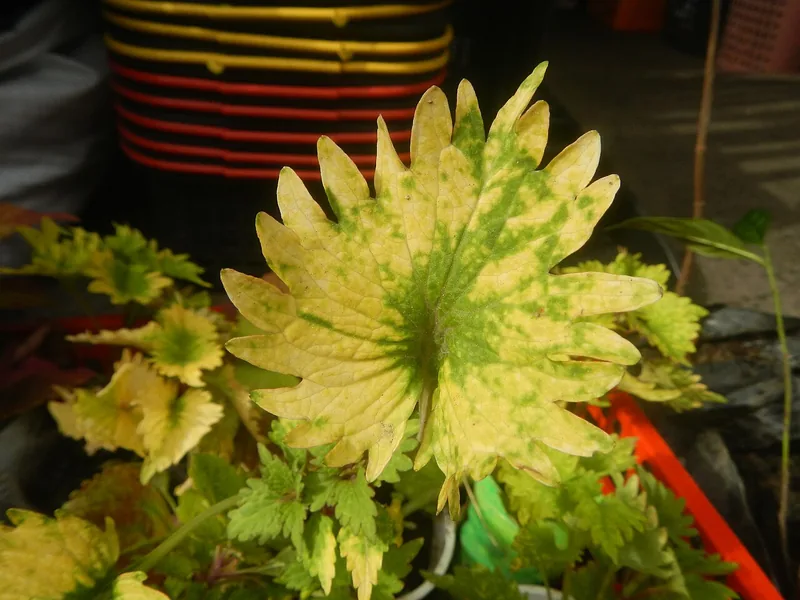
Foliage first. Botanical Coleus scutellarioides (synonyms include Solenostemon / Plectranthus scutellarioides). Grown mainly for leaves, not bloom.

Sourced from university extension guides. For dates where you live, use the ZIP planting planner.
Planting timing
Penn State: coleus among tender (and half-hardy) annuals — start seed indoors about 4–6 weeks before the last frost date; outdoors, wait until danger of frost has passed (Penn State Extension). Clemson: tender annuals killed by the first frost; sow uncovered indoors on sterile medium at 70–75°F; germinate 10–15 days; 6–8 weeks to transplant size (Clemson HGIC). NC State: USDA zones 10a–11b for perennial behavior; elsewhere treat as annual (NC State).
Depth, size and spacing
Clemson seed: sow uncovered (surface) — do not bury deeply. Height about 1 foot tall types to bushy 3 feet; sprawling basket types may spread more than 3 feet. NC State: height/width about 6 in–3 ft; available space 12 inches–3 feet. Exact in-bed inch spacing varies by cultivar class — choose by size class; pinch tips for denser plants.
Sun, soil and water
Clemson: most grow best in part shade or dappled light; sun-tolerant cultivars exist for full hot sun; non-sun types bleach in full sun. Must have good drainage — poorly drained / overwatered plants stunt with muddy brown leaves and scorched margins. Water thoroughly at planting; first 7–10 days keep root balls moist not soggy; then water when the top inch of soil is dry. Prefer soaker/drip at the base — avoid wetting foliage. NC State: moist, rich, loose soil in part shade, even full shade; may wilt in full sun; full shade may cause leggy growth. Sun needs are cultivar-dependent: choose sun-labeled plants for full sun; default to part shade.
Care
Pinch growing shoots of young plants for branching (Clemson). Flower spikes appear late summer; shearing/pinching flowers extends foliage performance; plants decline if allowed to go to seed (Clemson). Overwinter: take cuttings before frost (Clemson); stem cuttings root easily in water or clean potting soil (NC State; Clemson). Clemson: patented cultivars (PP/PPAF) should not be propagated by cuttings. NC State: allergic dermatitis possible after repeated contact — brief safety note.
Display season (Midwest annual table): Purdue Extension HO-80 lists coleus / flame nettle flowering season as June–Sept.; grown mainly for foliage (Clemson; NC State).
Pests and diseases (organic)
Clemson: mealybugs, aphids, whiteflies outdoors; insecticidal soap — follow the label. NC State: aphids, whiteflies, spider mites (especially indoors). UC IPM aphids: soap or oil with thorough coverage; follow the label; avoid drought-stressed plants and extreme heat (UC IPM). Diseases: fungal downy mildew, stem rot, root rot linked to wetting foliage and excessive soil moisture (Clemson) — drainage, base watering, avoid chronic wet feet. No synthetic fungicide rates.
Related: ZIP planner · organic pest control
Frequently asked questions
When do I plant coleus outdoors?
After frost danger has passed (Penn State). Start seed indoors about 4–6 weeks before last frost (Penn State) or allow 6–8 weeks to transplant size (Clemson).
Sun or shade?
Default part shade (Clemson; NC State). Use sun-tolerant cultivars only if the plant is sold for full sun (Clemson).
Should I let it flower?
Optional; many gardeners pinch/shear spikes to keep foliage strong (Clemson).
Sources
- Penn State Extension: How hardy are your annuals
- Clemson Cooperative Extension: Clemson HGIC
- NC State Extension: Coleus scutellarioides
- University of California Agriculture and Natural Resources (UC ANR): Aphids