
How to Grow Foxglove: Planting, Care & Toxicity
Quick answer
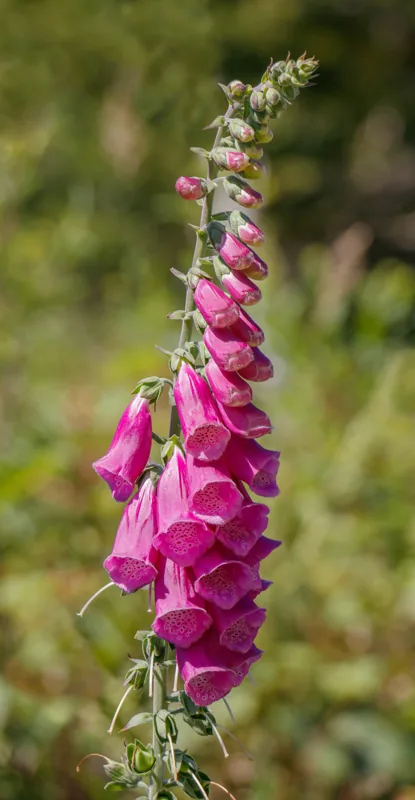
Start indoors about 10 weeks before transplanting outdoors, then transplant about 2 weeks before last frost (NDSU H1139, transplant −2). Typically biennial: rosette year 1, bloom spike year 2. NC State: high severity poison — flowers, leaves, roots, and stems; toxic principle cardiac glycosides. Ornamental only — not edible.
Foxglove at a glance


Weeks relative to last frost (LF). Colored weeks show when our ZIP planner schedules each step.
Jump to
Updated
Poison (required): NC State Extension Gardener Plant Toolbox rates foxglove (Digitalis purpurea) as high severity poison. Toxic principle: cardiac glycosides. Poison parts: flowers, leaves, roots, stems. Problems for humans, children, cats, dogs, and horses. Symptoms listed by NC State include nausea, vomiting, diarrhea, stomach pain, severe headache, irregular and slow pulse, tremors, unusual color visions, convulsions, cardiac arrhythmias, and death. Historically used for heart conditions but “highly poisonous if used incorrectly.” Do not ingest. Keep away from children and pets. This page is not medical advice. (NC State Digitalis purpurea)

Sourced from university extension guides. For dates where you live, use the ZIP planting planner.
Planting timing
NDSU H1139 chart: foxglove — start indoors 10 weeks before transplanting outdoors; transplant 2 weeks before last frost. That sets planner Start indoors last frost −12 and Transplant last frost −2. (NDSU H1139)
Size and spacing
NC State: height about 2–5 ft, width about 1–2.5 ft; available space about 12 inches–3 feet. Biennial habit: leafy rosette year 1, bloom spike year 2 (NC State).
Sun, soil and water
NC State: full sun to part shade; afternoon shade helps in heat; moist, well-drained soil. Cottage, pollinator, and shade-border uses.
Care and bloom
Deadhead to limit seedlings, or leave some seed if you want a standing population (NC State). Light compost in spring if needed — we omit printed NPK rates. Purdue HO-80 bloom window about June–July for planning. Ornamental only — not edible.
Toxicity
NC State poison severity: High. Toxic principle: cardiac glycosides. Poison parts: flowers, leaves, roots, stems. Keep out of reach of children and pets; do not make teas or herbal preparations from garden foxglove. (NC State)
Pests and diseases
NC State lists aphids, Japanese beetles, mealybugs, and fungal diseases. Aphids: soap or oil with thorough coverage (UC IPM aphids). Japanese beetles: handpick into soapy water; avoid traps (UMN Japanese beetles). Prefer cultural controls first; use any product as the label directs.
Related: ZIP planner · organic pest control
Growing columbine (spring part-shade perennial)
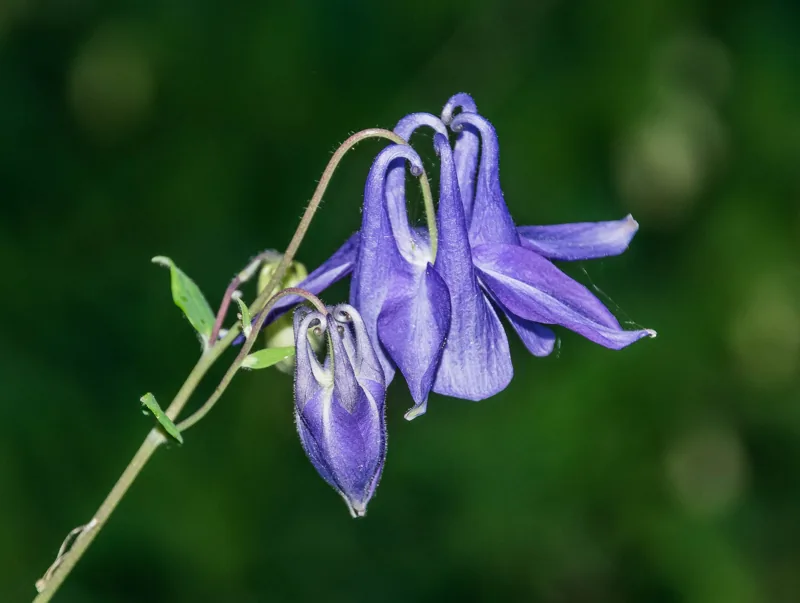

NDSU H1139 (sowing = weeks before last frost): start columbine indoors 6 to 8 weeks before last frost; transplant 2 weeks before last frost → planner Start indoors last frost −8 to −6; Transplant last frost −2. Germination about 20 to 25 days. (NDSU H1139)
NC State: height about 1–3 ft; part shade preferred; well-drained moist soil — intolerant of wet, poorly drained soils. Readily reseeds. NC State lists no significant pest or disease problems. (NC State Aquilegia)
Frequently asked questions
When do I start foxglove indoors?
About 10 weeks before transplanting outdoors; transplant about 2 weeks before last frost (NDSU).
Is foxglove poisonous?
Yes — NC State rates it high severity. All listed parts (flowers, leaves, roots, stems) contain cardiac glycosides. Do not ingest; keep away from children and pets.
Is foxglove a perennial?
Typically biennial (NC State). It may behave as an annual or short-lived perennial depending on conditions and seed.
Sources
- NC State Extension: NC State Digitalis purpurea
- North Dakota State University Extension: NDSU H1139
- University of California Agriculture and Natural Resources (UC ANR): UC IPM aphids
- University of Minnesota Extension: UMN Japanese beetles
- NC State Extension: Aquilegia (columbine)