
How to Grow Lantana: Planting, Spacing, Care & Bloom
Quick answer
Plant outdoors at least 2 weeks after all danger of frost (Clemson). Wait for warm soil. NC State poison severity Medium — toxic to livestock; unripe fruit/leaves risk; contact dermatitis possible. Prefer sterile/non-fruiting types where fruit is a concern.
Lantana at a glance


Weeks relative to last frost (LF). Colored weeks show when our ZIP planner schedules each step.
Jump to
Updated
Safety: NC State poison severity Medium for Lantana camara. Eating the plant can lead to vomiting, diarrhea, dilated pupils, labored respiration, weakness, and liver failure — more common in livestock; leaves may cause dermatitis in sensitive individuals. Toxic principle: pentacyclic triterpenoids / lantadene A & B. Poison parts include flowers, fruits, leaves, and sap/juice. Also toxic to cattle, sheep, horses, and goats. Wisconsin notes unripe berries poisonous and leaves can cause contact dermatitis; killed at about 28°F. Clemson: fruit can be poisonous especially if eaten in quantity; sterile cultivars avoid fruiting. Keep away from grazing livestock, pets, and children. Not medical advice. (NC State Lantana camara; Wisconsin lantana; Clemson HGIC 1177)
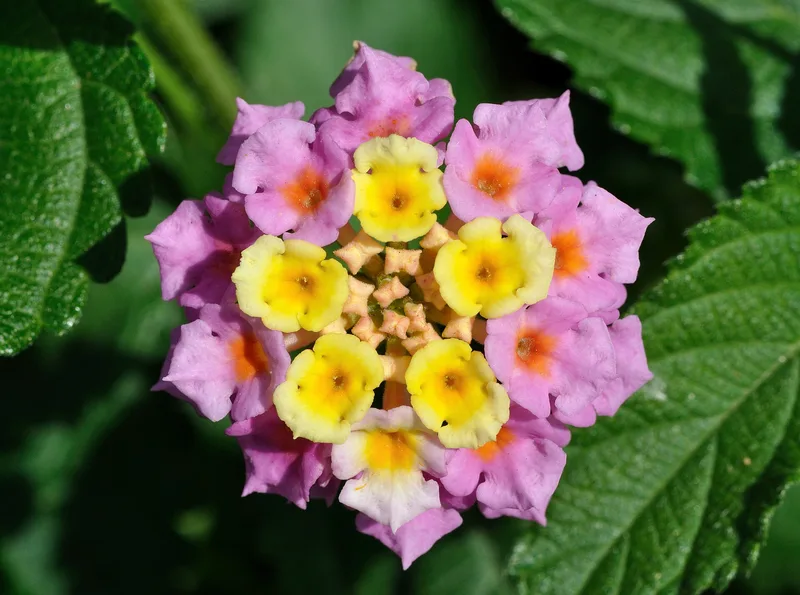
Lantana (Lantana camara; trailing types L. montevidensis) — tender shrub / annual in cold climates.

Sourced from university extension guides. For dates where you live, use the ZIP planting planner.
Planting timing
Clemson: “Plant lantana in spring, at least 2 weeks after all danger of frost is past.” Hardy types often wait for warm soil and air before spring growth. (Clemson HGIC 1177) UNL: plant outside after danger of frost has passed. Wisconsin: grown as an annual in cold climates; killed at about 28°F. Planner: Transplant / plant outdoors last frost +2 (Clemson). Indoor seed-start weeks are not sourced for home gardens here — purchased plants/cuttings are typical in short seasons.
Depth and spacing
NC State: height about 1–6 ft; width about 3–5 ft; space about 12 inches–3 feet (some types wider). Clemson: cultivars from low spreading (~1–2 ft) to mounds 5–6 ft.
Sun, soil and water
Full sun; well-drained soil; heat/drought tolerant once established (Clemson/NC/WI). Keep new plants moist the first weeks; then about 1 inch water/week if no rain; avoid overhead watering (Clemson). Too much water or fertilizer reduces bloom (WI).
Care
Deadhead or shear for continuous bloom (WI/Clemson). Prune perennial types hard in spring (Clemson: March cut to about 6–12 in.); avoid hard fall prune. Container overwintering is possible in cold climates (WI). Prefer sterile/non-fruiting types where invasiveness or fruit toxicity is a concern (UF/Clemson class note).
Bloom
Spring until frost as an annual/perennial by site (Clemson); midsummer to first frost (NC). Attracts butterflies and hummingbirds. No numeric days-to-bloom sourced.
Pests and diseases
Clemson: powdery mildew in shade; whiteflies → sooty mold; root rot if wet; lace bugs; caterpillars; mites if dry. NC: whiteflies and spider mites especially on overwintered plants. Prefer full sun, drainage, and spacing; insecticidal soap or horticultural oil for soft-bodied pests as labeled (UC IPM pattern).
Related: ZIP planner · organic pest control
Frequently asked questions
When do I plant lantana outside?
At least 2 weeks after last frost (Clemson). Wait for warm soil.
Is lantana poisonous?
Yes — NC State Medium severity; toxic to livestock; unripe fruit/leaves risk; contact dermatitis possible.
Will it overwinter?
In warm zones as a tender perennial; killed near 28°F (Wisconsin). Container overwinter possible.
Sources
- NC State Extension: NC State Lantana camara
- University of Wisconsin–Madison Extension: Wisconsin lantana
- Clemson Cooperative Extension: Clemson HGIC 1177
- University of California Agriculture and Natural Resources (UC ANR): Publication