
How to Grow Figs: Planting, Spacing, Care & Harvest
Quick answer
Cold regions: plant dormant figs in spring after hard-freeze danger (Clemson/ACES). Warm regions: bare-root fall to early winter OK. NC State Low poison severity — milky sap can cause phytophotodermatitis in sunlight; gloves when pruning.
Figs at a glance


Weeks relative to last frost (LF). Colored weeks show when our ZIP planner schedules each step.
Jump to
Updated
Planting dates for your ZIP: the ZIP planting planner counts each window from your local frost dates.
Organic pests and diseases: see also organic pest control. Use any product as the label directs.
Safety: NC State poison severity Low for Ficus carica. White milky sap can cause phytophotodermatitis (skin reaction with sun exposure). Toxic principle: furanocoumarins. Poison part: sap/juice. Contact dermatitis: yes. Wear gloves when pruning; keep sap off skin. Not medical advice. (NC State Ficus carica)
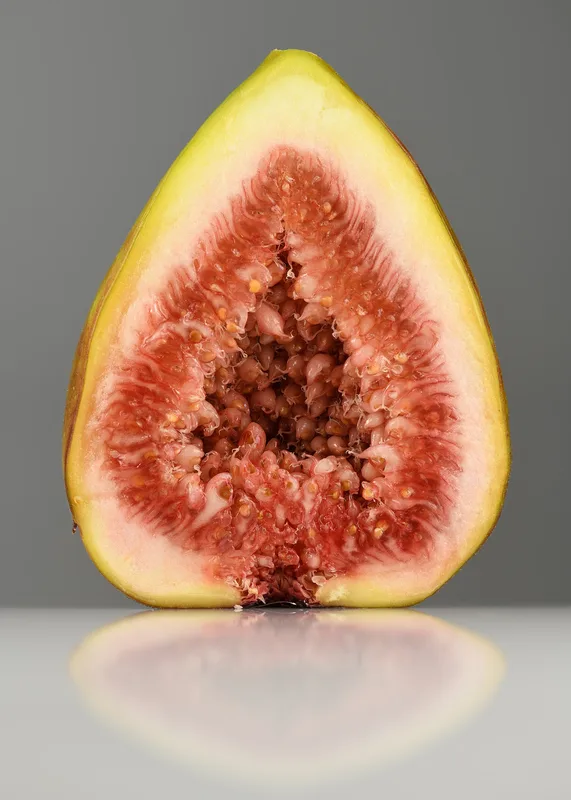
Common fig (Ficus carica) — woody deciduous shrub/tree.

Planting timing
Clemson: “Plant fig trees while they are dormant. In warm areas, bare-rooted trees can be set out in fall or early winter. In the mountains and piedmont, it is best to set them out in spring after the danger of hard winter freezes has passed.” Container plants can go later. (Clemson HGIC 1353) Alabama ACES matches: spring after hard freezes in cold sites; warm areas fall/early winter. (ACES fig guide) Planner (cold regions): Plant dormant last frost 0. Warm-climate fall/early winter planting is seasonal — not a national first-frost integer.
Depth and spacing
ACES: set 3–4 inches deeper than nursery depth. Mature plants can reach 10–30 ft tall/wide if unpruned (Clemson/NC) — prune to manage. Home plantings need generous elbow room (UF orchard examples about 10–16 ft).
Sun, soil and water
Full sun ≥8 hr; well-drained; avoid nematode-infested old garden sites (Clemson). About 1 inch water/week in season. Mulch. Cold sites: south side of a building (Clemson).
Care
Prune late winter after coldest weather, before growth (Clemson). Bush form is practical where freeze-back occurs. Container culture for cold climates — overwinter protected (UMD/ACES). See how to protect fig trees in winter. Wear gloves — sap risk (NC).
Harvest
Main crop mid/late summer into frost on current wood; some cultivars have a breba crop on prior wood (Clemson/UMD). Pick when soft and colored.
Pests and diseases
Clemson: root-knot nematodes (site selection); fig rust (sanitation); fruit souring via insects — prefer closed-eye types; pink blight — prune for air, remove infected wood. Cultural first.
Related: ZIP planner · organic pest control
Frequently asked questions
When do I plant a fig tree?
Dormant season; cold regions spring after hard freezes. Warm regions: fall/early winter bare-root OK (Clemson/ACES).
Is fig sap a problem?
Low-severity phytophotodermatitis possible in sunlight (NC State). Gloves when pruning.
Container culture?
Yes for cold climates — overwinter protected (UMD/ACES). Wrapping, caging and potted-fig storage: how to protect fig trees in winter.
More grow guides: All grow guides
Sources
- NC State Extension: NC State Ficus carica
- Clemson Cooperative Extension: Clemson HGIC 1353
- Alabama Cooperative Extension System: ACES fig guide