
How to Plant Canterbury Bells: Timing, Spacing, Care & Bloom
Quick answer
Start indoors 2–4 weeks before last frost (NDSU). Transplant 4–6 weeks after last frost (NDSU).
Canterbury bells at a glance


Weeks relative to last frost (LF). Colored weeks show when our ZIP planner schedules each step.
Jump to
Updated
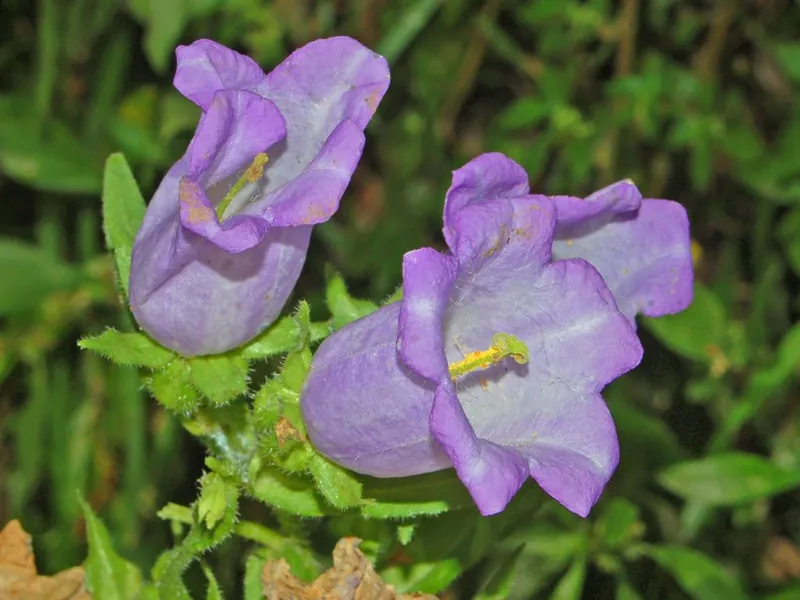
Biennial: Campanula medium — typically foliage year one, bloom year two. Planner timing follows NDSU H-1139 indoor chart.

Sourced from university extension guides. For dates where you live, use the ZIP planting planner.
Planting timing
NDSU Extension H-1139 chart: Canterbury Bells — sowing date 2 to 4 weeks before last frost; transplant date 4–6 weeks after. (NDSU H-1139) The chart’s “weeks before last frost” column was previously misread as after frost — corrected to Start −4/−2.
Depth and spacing
Treat as a cottage biennial with room for tall bloom stalks the second season. Follow packet spacing once hardened off.
Sun, soil and water
Full sun to part shade; moist well-drained soil typical for campanulas.
Care and bloom
Expect bloom the season after sowing for classic biennial culture. Stake tall spikes if needed.
Pests and diseases
Cultural spacing and drainage first; few crop-specific rates on the NDSU chart page.
Related: foxglove · ZIP planner · planting calendars
Frequently asked questions
When do I start seed?
2–4 weeks before last frost (NDSU).
When do I transplant?
4–6 weeks after last frost (NDSU).
Annual or perennial?
Classic biennial — foliage then bloom the next year.
Sources
- North Dakota State University Extension: NDSU H-1139