
Which Perennials to Cut Back in Fall (and Which to Leave): Timing by Zone
A plant-by-plant fall cleanup guide from university extension research
Fall cleanup isn’t all-or-nothing. Some perennials should come down after frost to clear out disease and pests. Others are better left standing for birds, overwintering insects, and their own winter protection. Here’s what to cut, what to leave, and when, by USDA zone.
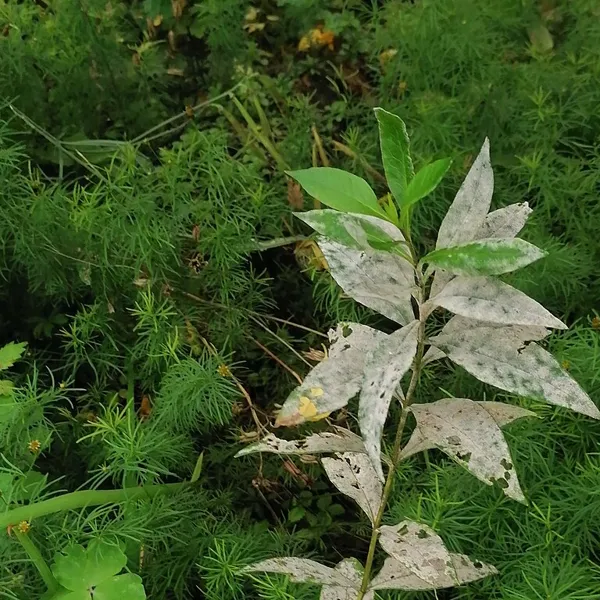
Diseased plants (phlox and bee balm with mildew), hostas, bearded iris, peonies
Seed heads for birds, ornamental grasses, mums and other marginally hardy plants
Evergreen perennials, roses, lavender, spring-flowering shrubs


When to cut back: after frost kills the tops
For healthy perennials, wait. Penn State Extension advises waiting “until several hard frosts have killed back the tops,” and Iowa State says to cut “after a hard freeze has destroyed the above ground growth.” The National Weather Service defines a hard freeze as 28°F or colder for an extended period of time. The table below gives the typical first 28°F date for each zone. Diseased foliage is the exception: remove it as soon as frost takes it.
| USDA zone | Start fall cutback (after a hard freeze) | Bee-friendly stem-trim window |
|---|---|---|
| Zone 3 | From about Oct 1typical first hard freeze (28°F); first light frost about Sep 23. | Sep 23 – May 17between the typical first fall and last spring frost (32°F) |
| Zone 4 | From about Oct 9typical first hard freeze (28°F); first light frost about Sep 30. | Sep 30 – May 10between the typical first fall and last spring frost (32°F) |
| Zone 5 | From about Oct 19typical first hard freeze (28°F); first light frost about Oct 7. | Oct 7 – May 3between the typical first fall and last spring frost (32°F) |
| Zone 6 | From about Oct 30typical first hard freeze (28°F); first light frost about Oct 19. | Oct 19 – Apr 26between the typical first fall and last spring frost (32°F) |
| Zone 7 | From about Nov 7typical first hard freeze (28°F); first light frost about Oct 28. | Oct 28 – Apr 11between the typical first fall and last spring frost (32°F) |
| Zone 8 | From about Nov 22typical first hard freeze (28°F); first light frost about Nov 10. | Nov 10 – Mar 24between the typical first fall and last spring frost (32°F) |
| Zone 9 | From about Dec 16typical first hard freeze (28°F); first light frost about Dec 3. In about 17% of zone 9 locations a hard freeze is rare, so cut once frost has browned the tops. | Dec 3 – Feb 24between the typical first fall and last spring frost (32°F) |
| Zone 10 | Frost is occasional, and in many years it never comes. Many perennials never die back, so trim them as routine maintenance. After a rare frost, wait until new growth appears before cutting damaged stems. | |
| Zone 11 | Frost is rare to absent. Many perennials never die back, so trim them as routine maintenance. After a rare frost, wait until new growth appears before cutting damaged stems. | |
How we calculated this table: dates are the median, across each zone’s ZIP codes, of the nearest NOAA NCEI 1991–2020 Climate Normals station’s 50%-probability dates: the first fall 28°F night (hard freeze) for cutback, and the first fall and last spring 32°F nights (frost) for the stem-trim window, the same 32°F data as our frost-date tables. A station’s 28°F date is used only where 28°F occurs in at least half of years. In half of years these temperatures arrive earlier. Get the dates for your address in the ZIP planner.
Cut back in fall: diseased, pest-prone and floppy plants
- Bee balm and garden phlox with powdery mildew: cut them all back, even resistant varieties, and destroy the debris rather than composting it (Penn State). Mildew fungi survive in plant debris (UW–Madison).
- Hostas: remove all the leaves once frost takes them, because dead hosta leaves harbor slug eggs (Penn State, UVM).
- Bearded iris: any time after a hard frost, remove and destroy old leaves, stems and nearby debris. Iris borer moths lay eggs on them in late summer, and the eggs wait there until spring (UMN).
- Peonies: cut herbaceous peonies to the ground after frost and bin diseased stems. See our peony guide for details.
- Tidy-only cutbacks: daylilies, brunnera, speedwell, astilbe, lungwort, yarrow and Shasta daisy have little winter value (Penn State, UNH). For yarrow, Shasta daisy and globe thistle, cut the old stalks but leave the new basal leaves.
Leave standing until spring: birds, insects and winter interest
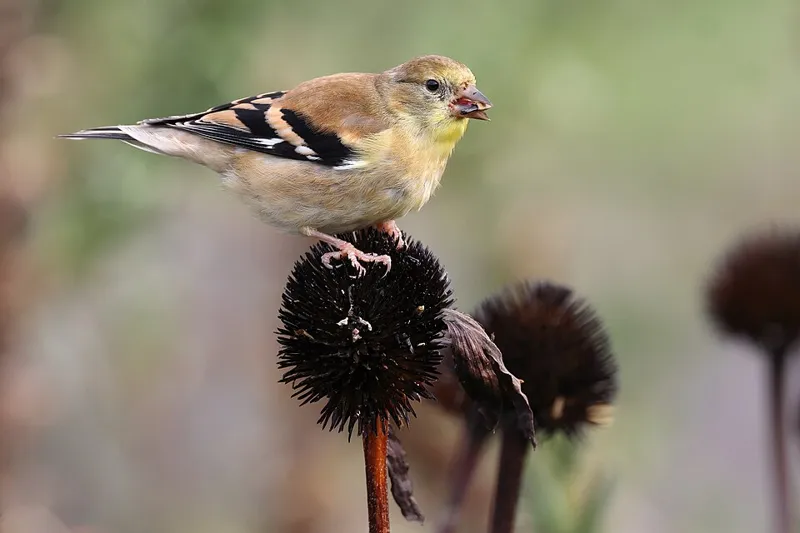
- Seed heads for birds: purple coneflower, black-eyed Susan, oxeye sunflower, coreopsis, liatris and little bluestem feed goldfinches, chickadees, juncos and sparrows (Penn State, UNH, Iowa State).
- Ornamental grasses: switchgrass, feather reed grass and miscanthus stay up all winter. Cut them to 2–4 inches in early spring, before new shoots appear (Iowa State).
- Winter interest: seedpods of baptisia and Siberian iris, sea holly, sedum ‘Autumn Joy’ and Joe Pye weed (Penn State, UNH).
- Overwintering insects: butterflies overwinter as pupae on dry stems (Illinois). The viceroy butterfly rolls itself in a leaf and drops to the ground for winter (Penn State). Leave some healthy leaves and stems, and leave some bare soil unmulched for ground-nesting bees (Illinois, Clemson). Clean up only where you had pest or disease problems.
Leave standing for protection: marginally hardy perennials
Garden mums, anise hyssop, red-hot poker and Montauk daisy survive winter better with their tops left on to catch leaves and snow (Penn State, UNH, UVM). Standing stems also mark late-emerging plants so you don’t dig into them in spring. For mums, don’t cut back before mulching. After the ground begins to freeze, add straw, pine needles or evergreen boughs, not leaves, which mat down (Iowa State). Our frost guide covers mums in pots vs. the ground.
Don’t cut in fall: evergreen perennials
Hardy geraniums, heuchera (coral bells), hellebores, dianthus, moss phlox, bergenia, evergreen candytuft, European wild ginger and Christmas fern stay green through winter. Tidy them in spring by removing only damaged leaves (Penn State, Iowa State, UNH).
Trim stems the bee-friendly way
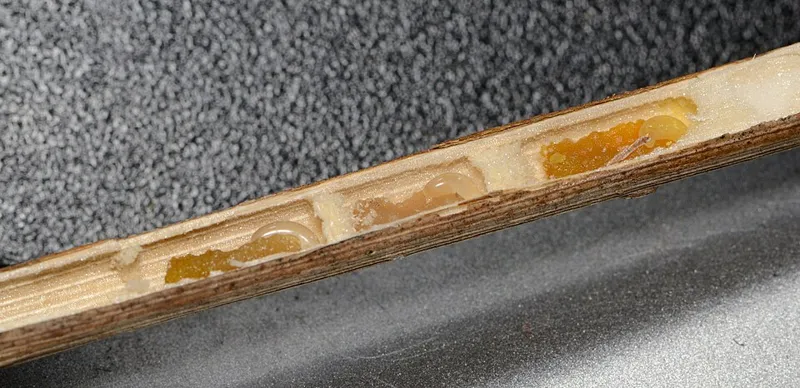

Many small native bees, mostly small carpenter bees (Ceratina), nest inside dead, hollow or pithy stems, but they can only get in where a stem is cut, broken or damaged. A 2026 study of about 3,000 stems in 20 North Carolina gardens found that intact stems weren’t occupied in their first winter. That makes a winter trim safe, and it creates nest sites for spring (NC State; Levenson et al. 2026).
- When: trim once, any time between the first fall frost and the last spring frost (see the table above).
- How high: leave about 1–2 feet of stubble. NC State suggests 12–24 inches, and Tufts suggests 6–18 inches.
- Then leave it: keep the stubble standing at least through the next growing season so new bees can emerge. Don’t re-cut stems that were cut, deadheaded or broken during the season, because bees may already be inside.
- Fall or spring? Many extension guides say to leave wildlife stems until spring. The NC State research shows a winter trim also works. Both approaches avoid cutting stems bees are already using. This research comes from North Carolina, and results may differ in colder regions.
What not to prune in fall: shrubs, subshrubs and roses
- Shrubs: no routine pruning from mid-August through leaf fall. It triggers new growth that may not harden off before winter. Dead, damaged and diseased wood can come out any time (Rutgers, UMass).
- Spring-flowering shrubs such as azalea, rhododendron, lilac, forsythia, viburnum, weigela, bigleaf hydrangea and oakleaf hydrangea already carry next year’s flower buds. Prune them right after they bloom (UMD, Colorado State, Virginia Tech). Oakleaf hydrangea blooms on old wood, so prune it soon after flowering (UMD, Clemson) and no later than August 1 (UGA Extension).
- Roses: don’t prune them in fall. Prune in early spring, starting with winter-killed wood (Iowa State).
- Lavender: a subshrub, not a herbaceous perennial. Don’t cut it hard, and wait for spring growth (UMD).
- Russian sage: leave the stems through winter and cut them to about a foot in spring (UW–Madison).
- Butterfly bush: flowers on new growth. Cut it back in spring before growth starts, since fall or winter pruning raises the risk of cold damage. It is considered weedy in some areas, and its planting is discouraged there (Clemson). Check your state’s rules before planting more.
Choosing new shrubs? See our low-maintenance shrubs by zone, with fall planting dates and invasive shrubs to skip.
Regional notes
- Cold zones 3–5 Standing stems catch insulating snow and leaves. Mulch marginal plants after the ground begins to freeze (Iowa State).
- Middle zones 6–7 First frost typically arrives mid-October to early November, so mid-fall is cleanup season.
- Warm zones 8–9 After a freeze, resist pruning woody and semi-woody plants until new growth shows what survived. Dead material insulates living tissue from later freezes. Soft plants that turn to mush can be removed (Texas A&M AgriLife, UF/IFAS).
- Zones 10–11 Frost is rare, so many perennials never die back. Prune as routine maintenance rather than a fall cutback.
Clean your tools
- Clean first: wipe off soil and sap, then disinfect, especially between plants when you’re cutting diseased material (UMN).
- 70% rubbing alcohol is the easiest: wipe or dip, with no soaking needed. Iowa State calls it preferred for homeowners. It’s flammable (UF/IFAS).
- 10% bleach (1 part bleach to 9 parts water) works but corrodes metal. Mix it fresh, follow the soak time your extension service gives, then rinse and oil the blades. Never mix bleach with other cleaners.
- Household disinfectants are another option that is less corrosive. Follow the label (UMN).
Diseased debris: trash, bury or compost?
Don’t put diseased foliage in a typical home compost pile. Sources give different temperature thresholds, but they agree that most backyard piles don’t get hot enough for long enough to kill plant pathogens (Iowa State, UNH, UMD). Bag it, bury it, or use your municipal yard-waste program, which can compost at higher temperatures. Check your local rules. Also keep weeds that have gone to seed out of the pile.
While you’re in the beds: winter-annual weeds are sprouting now. Learn to spot chickweed, henbit and annual bluegrass while they’re small.
Frequently asked questions
Should I cut back perennials in the fall or spring?
Either works for healthy plants. Cut back diseased and pest-prone plants in fall. Leave seed heads, ornamental grasses, evergreen perennials, and marginally hardy plants such as mums standing until spring.
When should I cut back perennials in fall?
Wait until frost has killed the tops. Extension guides say after a hard freeze, which the National Weather Service defines as 28°F or colder for an extended period. At the median location the first 28°F night typically comes around Oct 9 in zone 4, Oct 19 in zone 5, Oct 30 in zone 6, Nov 7 in zone 7, Nov 22 in zone 8.
Which perennials should not be cut back in fall?
Evergreen and semi-evergreen perennials (heuchera, hellebores, hardy geraniums, dianthus, moss phlox), marginally hardy plants (garden mums, anise hyssop, red-hot poker), ornamental grasses, and seed-head plants that feed birds, such as coneflower and black-eyed Susan.
How tall should I leave perennial stems for bees?
About 1 to 2 feet. NC State researchers suggest 12 to 24 inches, and the Tufts Pollinator Initiative suggests 6 to 18 inches. Leave the stubble at least through the next growing season, and don’t re-cut stems that were already cut or deadheaded.
Can I prune shrubs in October?
Only dead, damaged, or diseased wood. Extension guides advise no routine shrub pruning from mid-August through leaf fall, and spring-flowering shrubs have already set next year’s buds.
Can I compost diseased perennial leaves?
Not in a typical home pile. Most backyard piles don’t get hot enough for long enough to kill plant pathogens, so bag or bury diseased debris, or use a municipal yard-waste program.
How do I clean pruners between plants?
Wipe off soil and sap, then wipe or dip the blades in 70% rubbing alcohol. Iowa State calls this the preferred option for homeowners because it is easy and less corrosive than bleach.
Sources & further reading
- University of Maryland Extension: Pruning hydrangeas
- Clemson Cooperative Extension HGIC: Pruning hydrangeas
- UGA Extension (Paulding County): Pruning hydrangeas, it depends
- Penn State Extension: Cutting down perennials in the fall
- UNH Extension: Should perennials be cut back in fall?
- UVM Extension: Leave the seed heads be!
- Iowa State University Extension and Outreach: Late autumn perennial care
- Iowa State University Extension and Outreach: How should I prepare mums for winter?
- Iowa State University Extension and Outreach: Growing chrysanthemums in Iowa
- Iowa State University Extension and Outreach: Ornamental grasses in the home landscape
- Iowa State University Extension and Outreach: How to prune roses
- Iowa State University Extension and Outreach: How do I sanitize my pruning shears?
- Iowa State University Extension and Outreach: Can I put disease-infested plant material in my compost pile?
- NC State Extension: Garden cleanup for pollinators, trim perennial stems in their first winter
- NC State CALS: Guidance for gardeners trimming perennial stems
- Tufts Pollinator Initiative: The right way to leave stems for native bees
- University of Illinois Extension: Consider pollinators during fall garden cleanup
- Clemson Cooperative Extension HGIC: A messy winter garden preserves beneficial insects
- Clemson Cooperative Extension HGIC: Butterfly bush (HGIC 1084)
- University of Wisconsin–Madison Extension: Powdery mildew of herbaceous ornamentals (D0084)
- University of Wisconsin–Madison Extension: Russian sage
- University of Minnesota Extension: Iris borers
- University of Minnesota Extension: How to clean and disinfect gardening tools and containers
- University of Maryland Extension: October gardening tips and tasks
- University of Maryland Extension: Lavender
- University of Maryland Extension: Composting (FS-2023-0687)
- Rutgers NJAES: Pruning flowering shrubs (FS1221)
- UMass Amherst Extension: Pruning shrubs
- Colorado State University Extension: Pruning flowering shrubs
- Virginia Cooperative Extension: Bigleaf hydrangea (3010-1463)
- Texas A&M AgriLife Today: Learn to live with ugly after freeze damage
- UF/IFAS Gardening Solutions: Treating cold-damaged plants
- UF/IFAS Gardening Solutions: Disinfecting tools
- UNH Extension: Composting for the home gardener
- National Weather Service glossary: Hard freeze
- Levenson, H. K., Glen, C., Rose, L., & Youngsteadt, E. (2026). To provide pollinator nesting habitat, cut dead perennial stems in their first winter. Insect Conservation and Diversity. doi:10.1111/icad.70081
- Frost dates: NOAA NCEI U.S. Climate Normals 1991–2020; zones: USDA 2023 Plant Hardiness Zone Map ZIP data (PRISM Climate Group, Oregon State University).
More guides
Low-maintenance shrubs by zone · Protect plants from frost · Planting peonies in fall · Frost dates · All planting calendars · Weed guide