
How to Grow Delphinium: Planting, Care & Toxicity
Quick answer
Start indoors 2–4 weeks before last frost (NDSU H1139). Transplant 4–6 weeks after last frost. NC State: medium severity poison — flowers, leaves, stems; alkaloids; contact dermatitis yes. Digestive issues if ingested. Stake tall types; full sun and excellent drainage.
Delphinium at a glance


Weeks relative to last frost (LF). Colored weeks show when our ZIP planner schedules each step.
Jump to
Updated
Poison (required): NC State rates Delphinium elatum poison severity Medium. Toxic principle: alkaloids. Poison parts: flowers, leaves, stems. Symptoms: digestive issues. Causes contact dermatitis: yes. Keep away from children and pets; do not ingest; wash after handling. This page is not medical advice. (NC State Delphinium elatum)
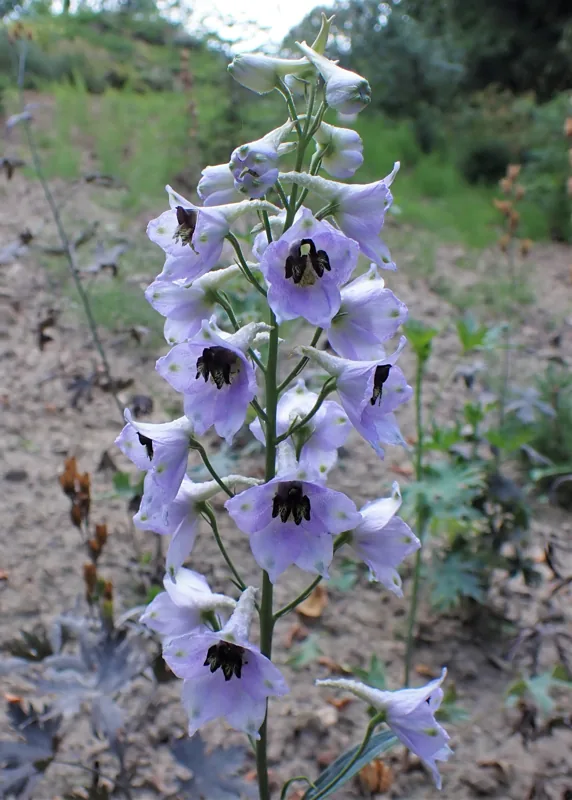

Sourced from university extension guides. For dates where you live, use the ZIP planting planner.
Planting timing
NDSU H1139 chart header: sowing date = number of weeks before last frost date. Delphinium: sow 2 to 4 weeks (2–4 weeks); transplant 4–6 weeks after last frost. That sets planner Start indoors last frost −4 to −2 and Transplant last frost +4 to +6. (NDSU H1139)
Size and staking
NC State: available space about 12 inches–3 feet and 3–6 feet for taller types; width about 2–3 ft; height classes from about 3–5 ft short to over 6 ft tall. Staking is necessary. Plant along a fence for wind and rain protection; afternoon shade helps in southernmost zones. (NC State)
Sun, soil and water
Full sun (≥6 hours); high organic matter; good drainage; alkaline soil listed (NC State). High humidity is detrimental. Good drainage and air circulation reduce disease. Prefer compost in spring; we omit printed synthetic fertilizer rates.
Toxicity
NC State: poison severity Medium; alkaloids; poison parts flowers, leaves, stems; digestive issues; contact dermatitis yes. (NC State)
Pests and diseases
NC State diseases: crown rot, leaf spot, blight, powdery mildew — sunny site, drainage, air flow. Pests: snails/slugs, aphids, leaf miners, mites, stem borers. Slugs: handpick; iron phosphate as the label directs (UC IPM). Aphids: soap or oil with thorough coverage (UC IPM aphids).
Related: ZIP planner · foxglove · organic pest control
Frequently asked questions
When do I transplant delphinium?
About 4–6 weeks after last frost (NDSU). Start indoors −4 to −2.
Is delphinium poisonous?
Yes — NC State medium severity. Flowers, leaves, and stems; alkaloids; contact dermatitis. Do not ingest.
Do I need to stake them?
Yes for taller types (NC State).
Sources
- NC State Extension: NC State Delphinium elatum
- North Dakota State University Extension: NDSU H1139
- University of California Agriculture and Natural Resources (UC ANR): Snails and slugs; UC IPM aphids