
How to Grow Impatiens: Shade Bedding Care
Quick answer
Start indoors about 11 weeks before outdoor transplant (Purdue HO-14). Transplant after the last spring frost (NC State). Part shade to full shade; moist, well-drained organic soil. Too much sun scorches. Prefer disease-resistant types for downy mildew pressure (NC State).
Impatiens at a glance


Weeks relative to last frost (LF). Colored weeks show when our ZIP planner schedules each step.
Jump to
Updated
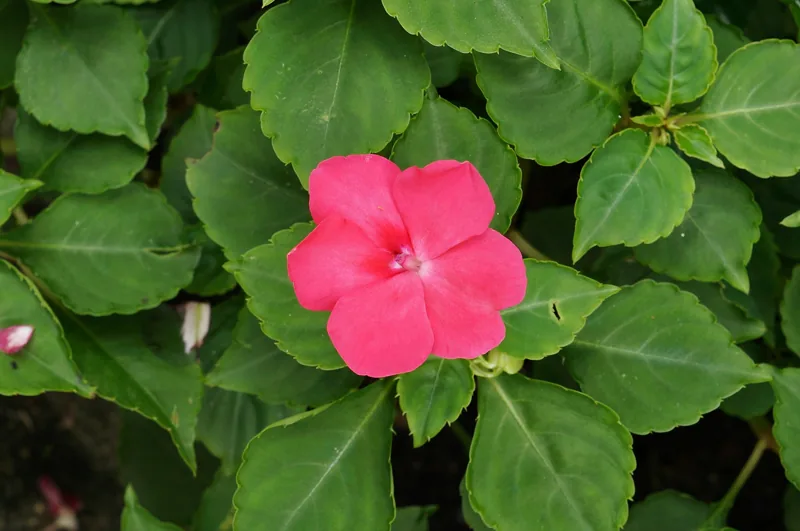
Focus here is bedding Impatiens walleriana. New Guinea types are a separate group.

Sourced from university extension guides. For dates where you live, use the ZIP planting planner.
Planting timing
Purdue HO-14-W: impatiens start indoors 11 weeks before outdoor transplant. (Purdue HO-14-W) NC State: “Seedlings can be planted outdoors after the last spring frost.” Tropical — will not tolerate cold. Planner: Start indoors last frost −11; Transplant last frost 0. (NC State impatiens)
Garden balsam
Garden balsam (Impatiens balsamina) is a related bedding impatiens, not I. walleriana. Purdue HO-14: balsam seed about 6 weeks before last frost (frost tolerance none after hardening). (Purdue HO-14-W) Iowa State: sow indoors 6 to 8 weeks before the anticipated outdoor planting date, or sow directly outdoors after the danger of frost is past. (ISU rose balsam)
Spacing and site
NC State: part shade to full shade; moist, well-drained organic soil; slightly acidic. Scorch in too much sun. Penn State annual table lists impatiens spacing about 8–14 inches (PSU sowing annual seeds).
Care and bloom
High water need; low drought tolerance; overwatering can lead to rot (NC State). Trim the top third if plants get leggy in late summer. Self-seeds; pull in late fall or overwinter pots indoors (NC State). Prefer disease-resistant types where downy mildew is a problem — no cultivar list here. Purdue HO-80 bloom window about June–September for planning.
Pests and diseases
NC State lists aphids, nematodes, spider mites, slugs/snails; powdery mildew, downy mildew, verticillium wilt. Aphids: soap or oil (UC IPM aphids). Slugs: handpick or iron phosphate bait as the label directs (UC IPM snails and slugs). Downy mildew: cultural — resistant types, air flow, destroy infected plants; we do not print synthetic fungicide rates.
Related: ZIP planner · organic pest control · wax begonias · coleus
Frequently asked questions
When do I start impatiens indoors?
About 11 weeks before transplant (Purdue). Transplant after last frost (NC State).
Sun or shade?
Part to full shade; too much sun scorches (NC State).
What about downy mildew?
Prefer disease-resistant types, improve air flow, and destroy badly infected plants (NC State).
Sources
- Purdue University: Purdue HO-14-W
- NC State Extension: NC State impatiens
- Penn State Extension: PSU sowing annual seeds
- University of California Agriculture and Natural Resources (UC ANR): UC IPM aphids; UC IPM snails and slugs