
How to Grow Lilies: Planting, Care & Lily Leaf Beetle Control
Quick answer
True lilies (Lilium): UMD prefers late fall planting; Clemson allows fall or spring when bulbs are available. Cover most bulbs with 4 to 6 inches of soil and space 6 to 10 inches apart (Clemson). Organic lily leaf beetle: handpick adults, larvae, and eggs; optional azadirachtin or spinosad as the label directs (Wisconsin). Not a daylily.
Lilies at a glance


Jump to
Updated
True lilies (Lilium spp.) — not daylilies (Hemerocallis), canna, or calla. No weeks-before-frost planner rule is published for Lilium; use late-fall / fall-or-spring wording.
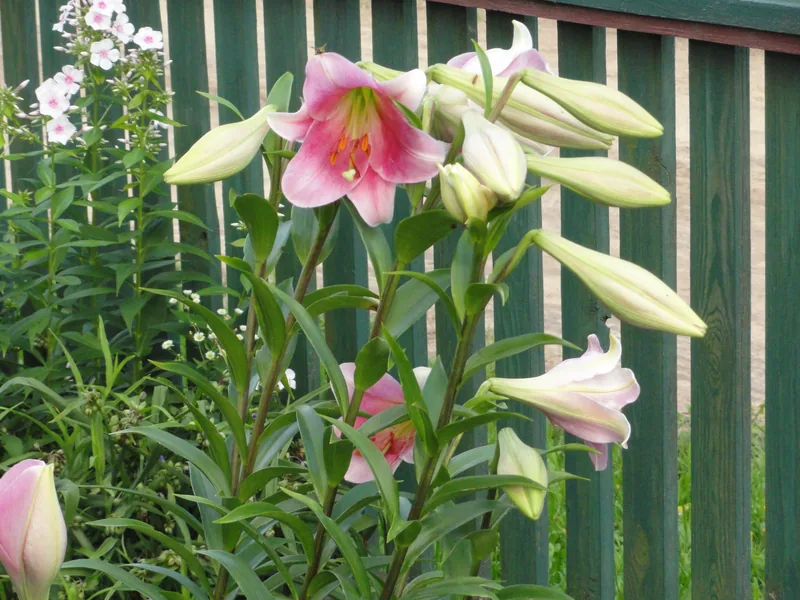

Sourced from university extension guides. For dates where you live, use the ZIP planting planner.
Planting timing
University of Maryland Extension: “Lilies are best planted in late fall.” (UMD bulbs) Clemson: “Lilies can be planted either in the fall or spring, whenever the bulbs are available.” (Clemson HGIC) UMN hardy bulbs (includes lilies): plant in fall; cold-climate Minnesota often mid-September to mid-October so bulbs root before the ground freezes — a regional calendar example, not a national frost offset. (UMN)
Depth and spacing
Clemson: space 6 to 10 inches apart. Plant (except Madonna lilies) with 4 to 6 inches of soil covering the bulb (stem-rooting types). Handle bulbs carefully — scales break easily.
Sun, soil and water
Clemson: well-drained soil; sun or part shade; ideal is flowers and leaves in sun with roots shaded; keep moist; mulch to cool roots; stake tall types. UMD general bulb note: at least 5–6 hours of direct sun for bulbs left in the ground.
Care
Clemson: remove spent blooms to prevent seedpods; cut stems to the ground only after they brown — never while leaves are still green. Mulch well. Skip synthetic fertilizer product rates; feed lightly after shoots emerge only if a soil test warrants it.
Pests and diseases (organic)
Lily leaf beetle (Lilioceris lilii): Wisconsin — bright red adults about ¼ inch; slug-like larvae often covered in excrement; defoliates true Lilium and fritillary, not daylily, canna, or calla. (Wisconsin XHT1274)
- Handpick and crush adults and larvae, or knock them into soapy water; crush eggs on leaf undersides; repeat through the season.
- Chronic severe cases: replace with non-hosts.
- Organic insecticide options on the Wisconsin sheet include azadirachtin, pyrethrins, or spinosad; horticultural oils and insecticidal soap are also listed. Prefer azadirachtin or spinosad on this page; avoid bloom sprays that harm pollinators; follow labels. This page does not give product rates.
Cultural disease risk: well-drained soil and careful watering (Clemson).
Related: fall perennial cutback · organic pest control · ZIP planner · when to plant peonies
Frequently asked questions
When do I plant lily bulbs?
Late fall preferred (UMD); fall or spring when bulbs are available (Clemson). Cold climates often mid-September to mid-October (UMN Minnesota example).
How deep?
About 4–6 inches of soil over the bulb for most types (Clemson); Madonna lilies shallower.
How do I stop lily leaf beetle organically?
Handpick adults, larvae, and eggs into soapy water regularly; optional azadirachtin or spinosad as labeled (Wisconsin).
Sources
- University of Maryland Extension: Bulbs
- Clemson Cooperative Extension: Clemson HGIC
- University of Minnesota Extension: Planting bulbs tubers and rhizomes
- University of Wisconsin–Madison Extension: Wisconsin XHT1274