
How to Grow Mint: Containers, Care & Harvest
Quick answer
Transplant after frost danger has passed. Optional seed start indoors 6–8 weeks before transplant (last frost −8 to −6, UMN). UMD: grow in a container about 12 to 16 inches across, or a sunk bottomless pot with about 1 inch of rim above the soil, and trim escaping runners. Do not spray insecticides on herbs (UMD).
Mint at a glance


Weeks relative to last frost (LF). Colored weeks show when our ZIP planner schedules each step.
Jump to
Updated
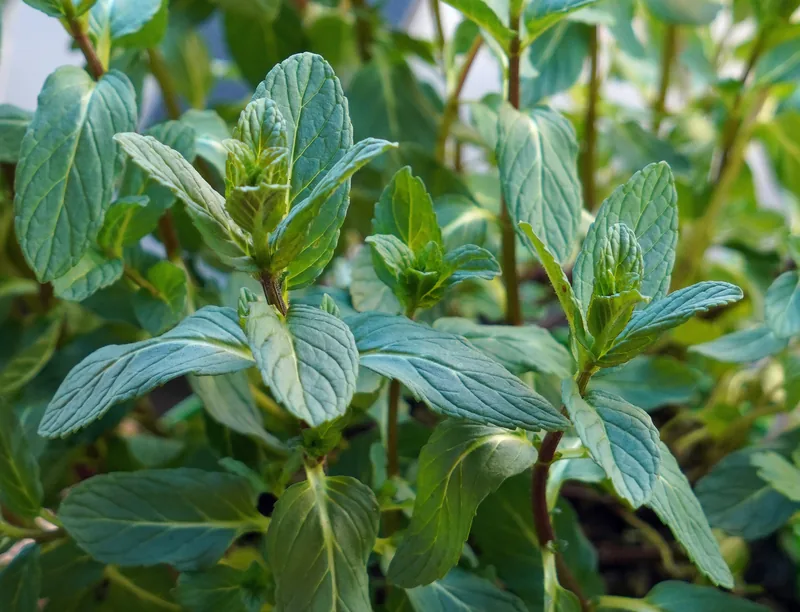
Spearmint (Mentha spicata) and peppermint (M. × piperita). Mint spreads aggressively — containment is required copy on this page.

Sourced from university extension guides. For dates where you live, use the ZIP planting planner.
Planting timing
UMN growing herbs: transplant outdoors “after the danger of frost has passed”; soil consistently at least about 50°F. Start seeds indoors about 6 to 8 weeks before transplanting outdoors. (UMN herbs) Planner: Transplant last frost 0; optional Start indoors last frost −8 to −6. Prefer division or cuttings for mint (UMD; NC State) — seed is secondary. Start indoors about 6–8 weeks before last frost.
Spacing and containment
UMD: space about 18 inches apart. Containment (required): grow in a container about 12 to 16 inches in diameter and cut runners that escape; or sink a bottomless pot with about 1 inch of rim above the soil so runners go up and over for trimming. (UMD mint)
Sun, soil and water
UMD: peppermint likes rich moist soil in sun or shade (most productive in full sun); spearmint somewhat moist soil, full sun to part shade. NC State spearmint: organically rich moist well-drained; does poorly in dry soils; about 1–2 feet tall/wide. (NC State) UMN: water deeply about once per week; avoid soggy soil.
Care and harvest
Frequent harvest encourages bushy growth (UMD). Shear flower spikes after bloom (NC State). Fertilize lightly only — no product rates. Fresh anytime; dry just as flowers begin (UMD). UMD: “Do not spray insecticides on herbs.” (UMD herb problems)
Pests and diseases (organic)
NC State: fungal rust and leaf spot are common — air flow, avoid chronic wet foliage, remove badly infected material. Containment is the main cultural control for weedy spread. Aphids: prefer beneficials and pruning; do not spray insecticides on culinary herbs (UMD).
Related: ZIP planner · organic pest control · lavender
Frequently asked questions
When do I plant mint outside?
After frost danger has passed (UMN). Optional seed start last frost −8 to −6.
How do I keep mint from taking over?
12–16 in. pot or sunk bottomless pot with 1 in. rim; trim runners (UMD).
Can I spray it for bugs?
UMD: do not spray insecticides on herbs — cultural first.
Sources
- University of Minnesota Extension: Growing herbs
- University of Maryland Extension: Mint; UMD herb problems
- NC State Extension: Mentha spicata