
How to Grow Pansies: Planting, Spacing, Care & Pests
Quick answer
Plant pansies when soil is about 45 to 65 degrees F (UGA). Fall for winter and early spring color in the Southeast (NC State; UGA). In colder climates, fall-planted or protected seedlings for spring bloom, or set plants in spring (USU). Space about 6 to 10 inches (UGA) or 7 to 12 inches (USU).
Pansy at a glance


Weeks relative to last frost (LF). Colored weeks show when our ZIP planner schedules each step.
Jump to
Updated
Garden pansy is Viola × wittrockiana (NC State; UGA). This page deepens cool-season bedding detail beyond the fall flowers hub.
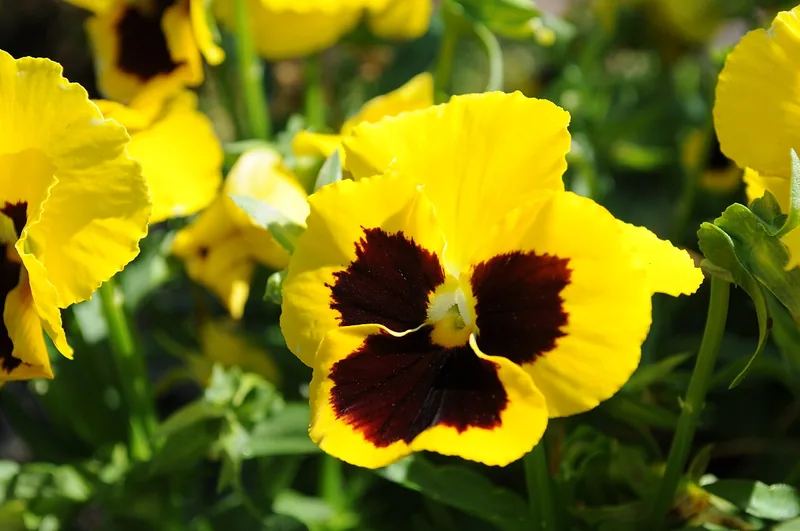

Sourced from university extension guides. For dates where you live, use the ZIP planting planner.
Planting timing
UGA: “pansies require soil temperatures between 45° F and 65° F for best growth.” Below 45°F roots shut down; planted too early in warm weather plants yellow and stretch (UGA Extension). NC State: “Plant in the fall for winter and early spring blooms” (NC State). USU: sow seed in July (North) or July–August (farther south), transplant about 6 weeks before killing frost, or set blooming plants in spring (Utah State Extension). Southeast fall bedding vs northern summer sow / spring color — present both.
Depth and spacing
Transplants: same depth as in the pot (USU). Seed: cover about ⅛ inch (USU). Spacing: UGA 6, 8, or 10 inches — wider improves air flow; USU about 7 to 12 inches. Show both.
Sun, soil and water
NC State: full sun to part shade; humus-rich, consistently moist, well-drained. UGA: cannot tolerate wet feet; prefer pH about 5.4–5.8 for pansies; soil test; do not lime out of habit. USU: about 1 inch water per week in the growing season; never water late afternoon/evening. No synthetic fertilizer rates; avoid excess nitrogen (UGA).
Care after planting
Deadhead spent blooms and seed pods (UGA; USU; NC State). Do not plant pansies more than 3 years in a row in the same spot — Pythium buildup (USU). Remove when summer heat collapses bloom (NC State; USU). NC State notes flowers can be edible, but nursery plants may carry systemic pesticides — do not tell readers to eat treated bedding plants.
Pests and diseases (organic)
Slugs, snails, caterpillars (pansyworm), aphids, thrips (NC State; UGA). Handpick; iron phosphate bait for slugs per label (UC IPM); Btk for leaf-feeding caterpillars when needed; insecticidal soap/oil for aphids with thorough coverage, not above 90°F (UC IPM aphids). Root/crown diseases (UGA): Phytophthora crown rot, black root rot, Botrytis — drainage, remove debris, rotate, keep pH in the recommended band per soil test.
Related: what flowers to plant in fall · organic pest control · ZIP planner
Growing lobelia (cool-season bedding companion)
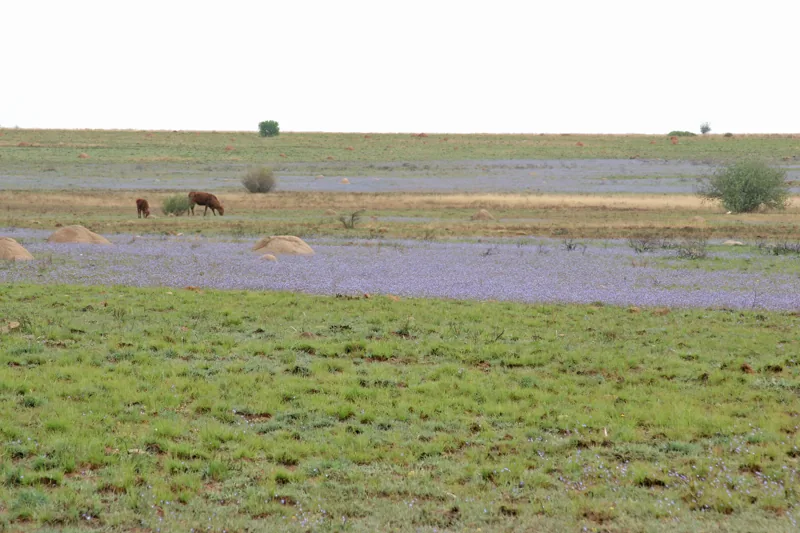

NDSU H1139: start indoors 10 weeks before transplanting; transplant 2 weeks after last frost → planner Start indoors last frost −8; Transplant last frost +2. Purdue HO-14 lists a longer 12-week start — use that if you follow the Purdue chart. (NDSU H1139; Purdue HO-14-W)
NC State: plants about 4–9 inches; width to about 12 inches; full sun to part shade; moist, organically rich, well-drained soil. Prefers cool summers; struggles in hot humid weather. Cut back after flowering for rebloom. Ornamental only — not edible.
Poison: NC State poison severity Medium. Ingesting large quantities of any part can cause nausea, vomiting, diarrhea, salivation, exhaustion, weakness, pupil dilation, convulsions, or coma. Toxic principle: alkaloids. Poison parts include flowers, fruits, leaves, roots, sap/juice, and seeds. Keep away from children and pets; do not ingest. Not medical advice. (NC State Lobelia erinus)
Disease (cultural): damping-off, stem rot, and root rot under wet conditions — avoid wet soils and improve drainage (NC State).
Growing sweet alyssum (cool bedding companion)
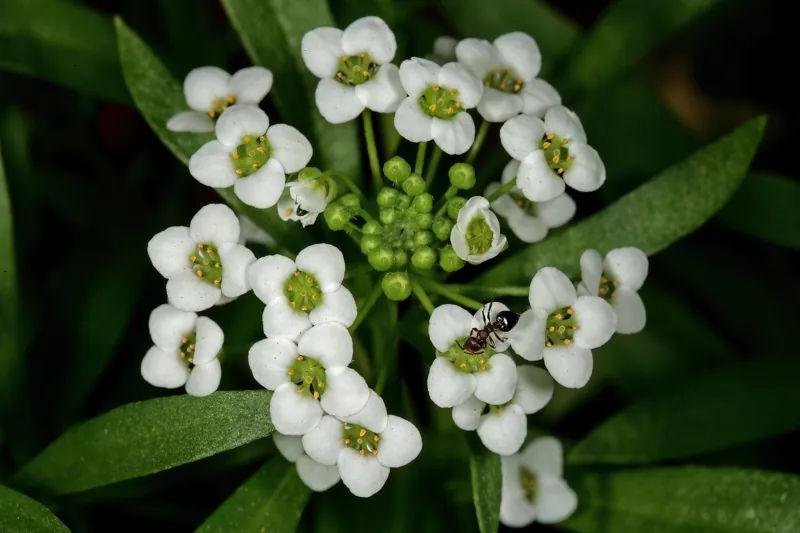

Purdue HO-14: start sweet alyssum indoors 7 weeks before last frost . NC State: for spring flowers, sow in the ground several weeks before last frost, or start indoors 5 to 6 weeks before last frost and set seedlings out. (Purdue HO-14-W; NC State sweet alyssum)
NC State: height about 3–10 in; width about 6–12 in; full sun to partial shade; well-drained soils required — stem and crown rot follow poor drainage. Cut back when summer heat declines bloom to encourage rebloom. NC State tags the species non-toxic for cats, horses, and dogs.
Frequently asked questions
When do I plant pansies?
When soil is about 45–65°F (UGA). Fall for winter/spring color in the Southeast (NC State; UGA). In colder climates, fall-planted or protected seedlings for spring bloom, or set plants in spring (USU).
How far apart?
About 6–10 inches (UGA) or 7–12 inches (USU). Prefer wider spacing if mites/disease have been a problem.
Why are plants yellow and stretched?
Often planted while soil/air still too warm (UGA). Heat also ends the season (NC State).
Can I leave them through summer?
Usually no — remove when heat collapses bloom (NC State; USU).
Sources
- University of Georgia Extension: Success with Pansies in the Winter Landscape (B1359)
- NC State Extension: Viola x wittrockiana
- Utah State University Extension: Utah State Extension
- University of California Agriculture and Natural Resources (UC ANR): Snails and slugs; UC IPM aphids
- NC State Extension: Lobelia erinus
- NC State Extension: Lobularia maritima (sweet alyssum)