
When to Prune Fruit Trees: Apples, Pears, Peaches and Cherries by Region
Quick answer
Prune most fruit trees in late winter to early spring, after the worst cold has passed and before growth starts; don’t prune in fall or early winter, because fresh cuts lower cold hardiness. Peaches and nectarines go last, just before or during bloom, and in rainy-winter California apricots and cherries are pruned in summer instead.
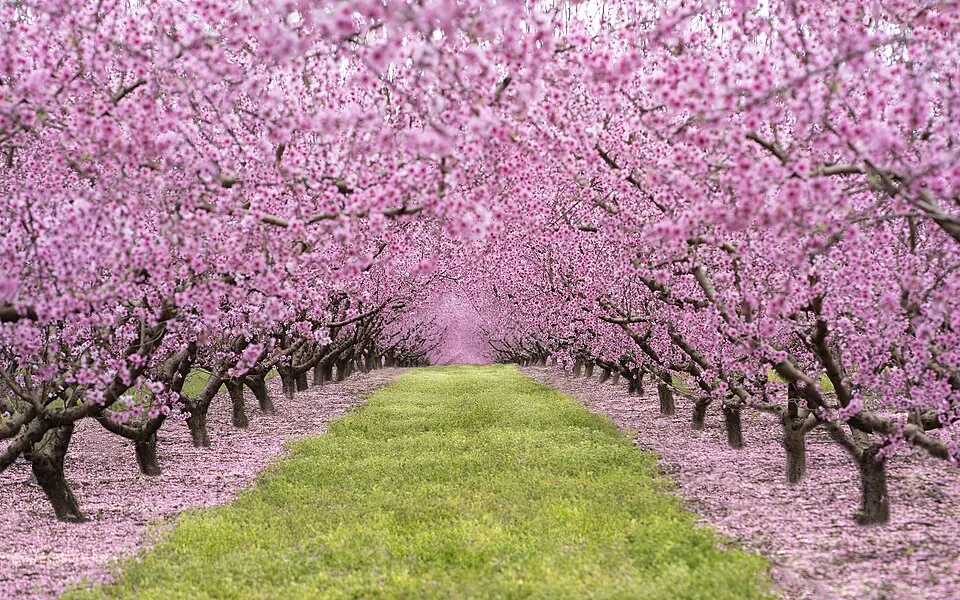
Fruit trees are pruned late: after the worst winter cold, before growth starts, and for peaches even later. Here is why fall is the wrong time, the dates each state’s extension service publishes, and the stone-fruit exceptions.
Why not now (fall and early winter)
- “Pruning lessens winter hardiness to a small degree, so pruning in early winter can lead to winter injury when it is followed by severely cold temperatures.” “It takes two weeks for the tree to regain winter hardiness that is lost due to pruning” (University of Maine Cooperative Extension).
- “Do not prune any fruit tree before January or winter injury may occur” (Nebraska Extension, EC1233).
- For apples and crabapples: “Autumn or early winter pruning is more likely to result in drying and die-back at pruning sites” (University of Minnesota Extension).
- Fall wounds “close about 20 percent slower” (Mississippi State Extension).
- What’s fine any time: “diseased or damaged wood can be removed anytime during the year” (Nebraska).
The general rule: late winter to early spring
“The best time to prune fruit trees is late winter into early spring when it will least affect winter hardiness and tree health” (UMaine). If you must start early, Illinois says to “start on older apple trees requiring light to moderate pruning” and to “Wait until late winter or early spring to prune young trees” (Illinois Extension). Peaches and nectarines are the exception (below).
Fruit tree pruning dates by state
| Where | Apples, pears and most fruit | Peaches and nectarines | Source |
|---|---|---|---|
| Minnesota (zones 3b-5a) | Late winter, February to early April (apples, crabapples) | n/a | UMN |
| Maine (zones 4a-6a) | Late winter into early spring | n/a | UMaine |
| Nebraska (zones 5a-6a) | Ideal window January through March | “don’t prune until danger of severe cold weather has passed (mid-March to early April)” | UNL EC1233 |
| Illinois, northern half | Heavy pruning February 15 to April 1 | Just before or during bloom | Illinois Extension |
| Illinois, southern half | Heavy pruning February 1 to March 15 | Just before or during bloom | Illinois Extension |
| Pennsylvania (zones 6a-7b) | n/a in this source | Stone fruit: “from just before bloom to 2 weeks after petal fall”; “do not prune before budswell” | Penn State |
| South Carolina (zones 8a-9a) | n/a in this source | “Prune in mid-February to early March”; “Do not prune trees from October to January”; in the mountains and Piedmont, “wait until mid-February” | Clemson HGIC |
| California, rainy-winter areas | n/a in this source | Apricots and cherries: “only during July and August in inland areas and during August near the coast” | UC IPM |
About this table: dates as published by each state’s extension service. Zone ranges are Sow & Sprout data: USDA 2023 zones for the 5th to 95th percentile of each state’s ZIP codes (data/statezones.json). Illinois is shown in two halves, as Illinois Extension publishes it, not split by zone. These dates are not frost-based: none of these sources ties fruit pruning to a frost date.
Looking for zone 6 or zone 7? These sources publish dates by state, not by zone. Find the row for a state in your zone: Pennsylvania spans zones 6a-7b, Nebraska 5a-6a, and Illinois zones 5b-7a.
Peaches, nectarines and other stone fruit: prune last
- “Pruning wounds heal more rapidly and with less chance of infection if these trees are pruned just before bloom or during bloom” (Illinois).
- “Stone fruit trees are very susceptible to a disease called cytospora canker,” and winter cuts can’t protect themselves from it (Penn State Extension).
- “Pruning in late winter reduces the chance of winter injury and infection by the bacterial canker organism.” Train peaches to “an open-center (vase-shaped) tree” (Clemson HGIC).
- Why peaches need pruning every year: “peaches bear fruit on 1-year-old wood” (Nebraska).
Cherries and apricots: the summer exception
- Penn State: sweet cherries “are best pruned after they have fruited or in early July.”
- In California and other rainy-winter areas, Eutypa spores “are discharged during periods of rain, primarily fall through spring.” “Prune apricots and cherries only during July and August in inland areas and during August near the coast” (UC IPM, Eutypa Dieback). For apricots: “Allow 6 weeks prior to the beginning of winter rains for wounds to close” (UC IPM, Apricot: Pruning).
Summer pruning, water sprouts and suckers
- “Summer pruning in late July or August is another time when pruning can be performed, but severe pruning at this time will weaken the tree” (UMaine).
- “Summer pruning should not be done after the end of August” because of winter injury risk (Nebraska).
- “Removal of water sprouts and suckers during May, June, and July is preferred over cutting them out during the dormant season” (Illinois).
More pruning: when to prune shade and ornamental trees when to prune flowering shrubs planting calendars by zone
Frequently asked questions
Can I prune fruit trees in the fall?
No. Pruning lowers winter hardiness, and it takes about two weeks to recover (UMaine). Nebraska says not to prune any fruit tree before January. Diseased or damaged wood can come out any time.
When should I prune fruit trees in zone 6 or zone 7?
The extension sources publish dates by state, not zone. Use a state in your zone: Pennsylvania (zones 6a-7b) prunes stone fruit from just before bloom to 2 weeks after petal fall; Illinois prunes apples heavily from February 1 to March 15 in the southern half and February 15 to April 1 in the northern half.
Why prune peaches so late?
Cuts made just before or during bloom heal faster and with less chance of infection (Illinois), and stone fruit is very susceptible to cytospora canker through winter cuts (Penn State).
Do I prune apricots in winter in California?
No. In rainy-winter areas, UC IPM says to prune apricots and cherries only in July and August inland, and in August near the coast, because Eutypa spores spread during rain.
Sources
- University of Maine Cooperative Extension: Pruning (Growing Fruit Trees in Maine)
- Nebraska Extension: EC1233 Pruning Fruit Trees (2018)
- University of Minnesota Extension: Pruning trees and shrubs
- Mississippi State University Extension: Understanding Pruning and Injury Wounds in Fruit Trees
- University of Illinois Extension: Making Pruning Cuts (Fruit Trees for Home Gardens)
- Penn State Extension: Pruning and Training Home Fruit Trees to an Open Center
- Clemson Cooperative Extension: Pruning Peaches & Nectarines
- University of California Agriculture and Natural Resources (UC ANR): Eutypa Dieback (Home and Landscape); Apricot: Pruning