
When to Prune Trees (and Which Trees Not to Prune in Fall)
Quick answer
Most trees are best pruned in the late dormant season, late winter to early spring before new growth starts, because fresh cuts begin sealing quickly once growth resumes. In fall, limit pruning to dead, broken or hazardous branches; save structural cuts for late winter, and follow the oak, apple and maple exceptions below.
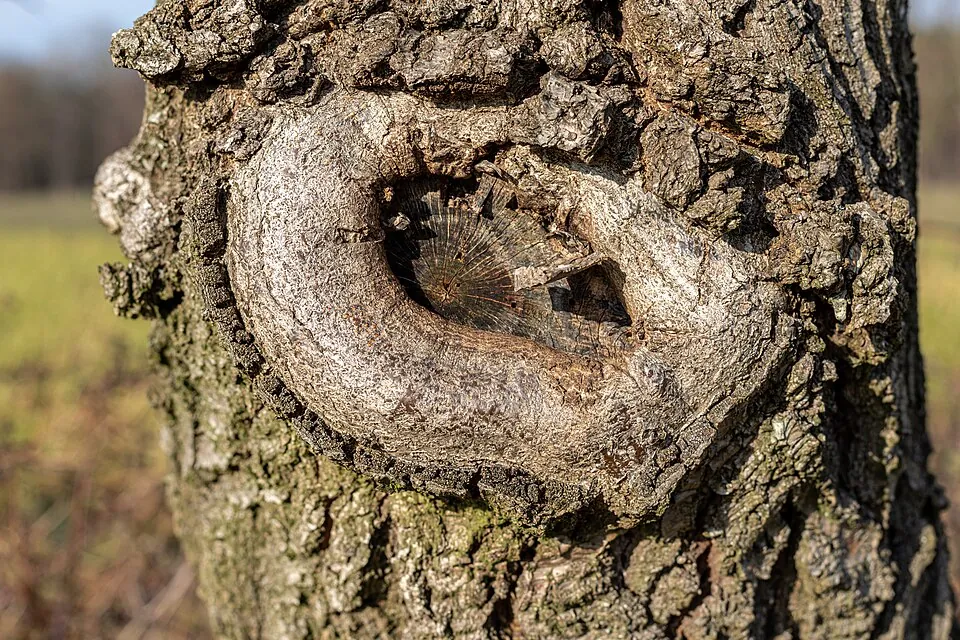
Most trees are best pruned late in the dormant season. Fall is a poor time for structural cuts, and a few trees, oaks above all, have their own calendar. These are the timing rules from university extension services and state forestry agencies.
Why late winter is the best time for most trees
- “The late dormant season (late winter to early spring) is best for most pruning.” Late-winter cuts are exposed “for only a short length of time before new growth begins the wound sealing process,” and branch structure is easier to see without leaves (University of Minnesota Extension).
- Utah State: pruning “is best done in winter or early spring before buds swell when tree energy reserves are high and the tree is dormant” (Utah State University Extension).
- Texas A&M Forest Service: “pruning right before spring growth can maximize wound closure and growth” (Texas A&M Forest Service).
Why fall is a poor time for structural pruning
- Slower closing: “wounds made in the fall close about 20 percent slower” than spring, summer or winter wounds (Mississippi State Extension, a research summary on fruit trees).
- Decay: “In fall pruning wounds may be more easily infected with decay microorganisms” (Utah State). In fall “there are more decay fungi spores in the air and pruning wounds are slowest to close,” so “wait until after the winter solstice to avoid the pitfalls of fall pruning” (City of Seattle urban forestry).
- Dieback: “Autumn or early winter pruning is more likely to result in drying and die-back at pruning sites” (UMN).
- Dormancy: in fall “the plant is going into dormancy and not focused on producing new tissue,” and “major corrective pruning ... is best done during the dormant winter season or in early spring” (K-State Research and Extension).
What you can prune in fall
“Fall pruning is best focused on the removal of dead, dying, broken or hazardous limbs,” and that maintenance pruning “can be done anytime of the year” (K-State). Texas A&M Forest Service agrees: “Most routine pruning to remove weak, diseased, or dead branches can be done at any time of year.” The oak caveat below still applies: paint any fresh oak wound where the sources say to.
Trees not to prune in fall (and when to prune them instead)
| Tree | When to prune | Why | Source |
|---|---|---|---|
| Oaks, Upper Midwest | Not April to October (UMN); best December to February (Iowa State) | Oak wilt: sap beetles carry spores to fresh wounds in spring and early summer | UMN; Iowa State; Minnesota DNR: “do not wound oaks from April through July” |
| Oaks, Texas | Not February through June | Same disease; the season starts earlier | Texas A&M Forest Service |
| Apples, flowering crabapples, mountain ash, hawthorns | Late winter (UMN gives February to early April for Minnesota) | Spring or summer pruning raises fire blight risk; autumn pruning raises dieback risk | UMN |
| Honeylocust | Late winter, while still dormant | Avoids stem cankers; if summer pruning is unavoidable, avoid rainy or humid weather | UMN |
| Maples (including box elder), birches, walnut and butternut, ironwood, blue beech | Either late winter (bleeding is harmless) or after leaves fully expand in late spring or early summer to avoid bleeding | Free-flowing sap “bleeds”: UMN says “this bleeding causes little harm”; USU says “this is not a problem and stops within a few days” | UMN; USU |
| Spring-flowering trees: flowering cherry, flowering plum, apricot, magnolia, juneberry | Right after they finish blooming | They bloom on last year’s growth; fall or winter cuts remove flower buds | UMN |
About this table: timing from the extension and forestry sources cited in each row. It is not based on frost dates: none of these sources ties tree pruning to a frost date, so the seasons and months are the sources’ own, labeled by region. UMN’s February to early April apple window is for Minnesota.
Oak wilt: the details
- Infection-favorable conditions “usually occur between April 15 and July 1 in the Lake States and over a correspondingly longer period of time to the south.” “From Missouri to Texas, use tree paint immediately after trees are wounded at any time of the year” (USDA Forest Service, NA-PR-01-11).
- “Wounds may be susceptible to infection for up to five days” (Minnesota DNR).
- “Paint pruning cuts immediately on all oak trees.” “Paint or wound dressing is not necessary for pruning cuts on any other types of trees” (Texas A&M Forest Service).
- “Wound dressing is not normally needed on pruning cuts”; for oaks wounded in the risk months, use latex rather than oil-based paint (UMN).
How much to cut, and how
- “You should not remove more than 25% of the tree’s crown at one time” (Texas A&M Forest Service). For bleeders pruned in leaf, UMN says: “Never remove more than 1/4 of the live foliage.”
- For maintenance pruning, “try to prune branches before they exceed 2 inches in diameter” (Utah State).
- Three cuts for big limbs (UMN): first cut “on the underside of the branch about 18 inches from the trunk,” undercutting one-third to one-half of the way through; the second cut an inch farther out, until the branch breaks free; the final cut just outside the branch collar: “prune just beyond the branch collar, but DON’T leave a stub.”
- Safety (UMN): “DO NOT attempt to prune near electrical and utility wires.” “Leave the pruning of large trees to qualified tree care professionals.”
Shrubs and fruit trees have their own timing: when to prune flowering shrubs when to prune fruit trees which perennials to cut back in fall
Frequently asked questions
Is it bad to prune trees in the fall?
For structural pruning, yes. Fall wounds close about 20 percent slower (Mississippi State Extension), decay spores are more common (City of Seattle) and dieback is more likely (UMN). Removing dead, broken or hazardous limbs is fine any time of year (K-State, Texas A&M Forest Service).
Can I prune oak trees in November?
In the Upper Midwest, UMN’s no-pruning window for oaks ends in October, and Iowa State says December to February is best. In Texas, avoid February through June. From Missouri to Texas, the USDA Forest Service says to paint oak wounds immediately at any time of year.
Why is my maple dripping sap after pruning?
Maples, birches and walnuts “bleed” sap when cut in late winter. UMN says this causes little harm, and Utah State says it stops within a few days. To avoid it, prune after the leaves fully expand.
Do I need pruning paint?
Only on oaks. Texas A&M Forest Service says to paint cuts on all oak trees immediately and that other trees don’t need it; UMN recommends latex rather than oil-based paint on oaks wounded in risk months.
Sources
- University of Minnesota Extension: Pruning trees and shrubs
- Utah State University Extension: Pruning Landscape Trees: An Overview
- Texas A&M Forest Service: Pruning Mature Trees
- Mississippi State University Extension: Understanding Pruning and Injury Wounds in Fruit Trees
- City of Seattle: Structural Pruning (Trees)
- Kansas State University Research and Extension: Think Twice About Fall Pruning
- Iowa State University Extension: Pruning Oak Trees to Avoid Oak Wilt; How To Identify, Prevent, and Control Oak Wilt (NA-PR-01-11, hosted by Iowa State)
- Minnesota Department of Natural Resources: Oak Wilt Management