
How to Grow Asparagus: Planting, Spacing, Care & Harvest
Quick answer
Plant one-year crowns 4 to 6 weeks before last spring frost (Purdue). UMD uses a 6- or 12-inch trench with crowns 15 to 18 inches apart and rows 4 to 5 feet apart; UMN uses a 6- to 12-inch furrow by soil type with buds about 12 inches apart and rows at least 3 feet apart. Do not harvest the first season after planting crowns.
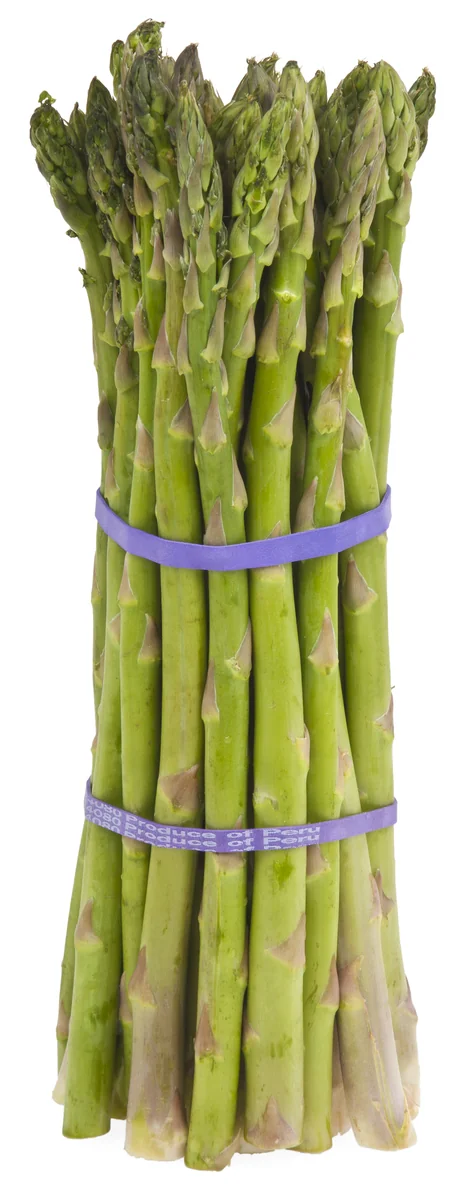

Asparagus at a glance


Weeks relative to last frost (LF). Colored weeks show when our ZIP planner schedules each step.
Jump to
Updated
Planting dates for your ZIP: the ZIP planting planner counts each window from your local frost dates.
Organic pests and diseases: see also organic pest control. Use any product as the label directs.
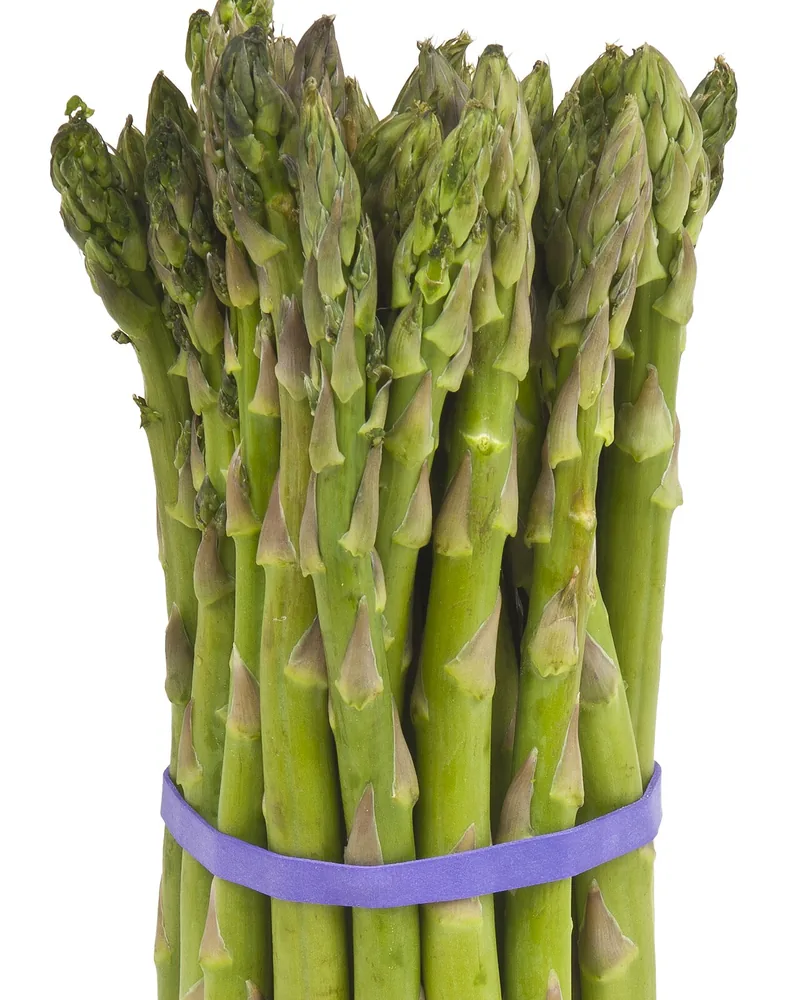
Planting timing
Purdue HO-186: hardy crop — “plant 4-6 weeks before last spring frost.” (Purdue Extension) UMD: plant one-year crowns in early spring; “Crowns are usually shipped and set out in March or April” (Maryland calendar example). UMD when-to-plant table: Mid-March through mid-April for seedlings or bare-root crowns. (UMD Extension; UMD when to plant) UMN: “In Minnesota, asparagus is planted between early May and early June” (Minnesota calendar example — regional, not a national frost offset). (UMN Extension) Seed option: UMD starting from seed “requires an extra year before harvest”; seeds are “slow to germinate” and transplants go out in June (MD). UMN: nursery-bed seed in spring about one inch deep; move crowns to the permanent bed the next early April before growth starts. Hardiness: UMD “Hardy perennial can withstand winters with protection in colder areas; should be mulched in autumn.” NC State USDA zones 2a–9b. (NC State) Late spring frosts can kill emerged spears and cause bend/curl; site the bed out of frost pockets (UMN).
Depth and spacing
UMD traditional trench: “12-inches deep and 12- to 18-inches wide, with 4 to 5 feet between trenches.” Many gardeners succeed with a “6-inch trench.” Crowns “15 to 18 inches apart”; raise the crown slightly above the roots; spread roots over a 2-inch soil mound; cover the crown completely. Wide beds: “three rows with plants 18 inches apart in all directions.” Facts line: “18" in-row x 4' to 5' between rows.”
UMN: furrow 6–12 inches deep (shallower 6–8 in clay; deeper 10–12 in sand). Place crowns head-to-toe so buds are about 12 inches apart; multiple rows at least 3 feet apart. Cover with 2–3 inches of soil at planting; backfill as ferns grow. UMN: spreading roots “like an octopus” is outdated/unnecessary.
The sources differ on in-row spacing (UMD 15–18 in vs UMN ~12 in), between-row spacing (UMD 4–5 ft vs UMN ≥3 ft), and trench depth, so we show each with its source. NC State mature size: height 3–5 ft; width 1.5–3 ft.
Sun, soil and water
Sun: UMD “Full sun requires direct light at least 6 hours/day; prefers 8 - 10 hours/day.” NC State full sun (≥6 hours). UMN sunny, well-drained; put the bed at the north end of the garden so ferns do not shade other crops. Soil: UMD good drainage; enrich with compost. UMN well-drained, moisture-retentive; pH 6.5 to 7.0; does not tolerate extremely acidic soils. NC State moist organic sandy soil, good drainage, neutral pH 6.0–8.0; salt-resistant for coastal sites. Water: UMN at least one inch of water per week (more often on sand); important at planting and for fern growth after harvest. UMD keep the bed well watered after planting. Mulch / weeds: UMD weed before first shoots; pull weeds during production (hoe risks broken spears); after frost cut foliage to 2-inch stubs and apply 4- to 6-inch mulch. UMN hand-weed; shallow cultivate only before spears emerge and after harvest ends (<2 inches deep); mulch can delay spring emergence — push aside in early spring to warm soil.
Care
Longevity: UMD lives 12 to 15 years or longer. UMN “An asparagus plant can last 15 years.” Fertilizer: UMD medium-high nutrient need; add organic matter before planting; nitrogen each early spring; side-dress after harvest; yearly compost top-dress. Soil test (UMN). Do not use fertilizer that contains a weed killer (UMN). Winter: UMD cut yellowed ferns to 2-inch stubs after frost and before red berries fall (all-male plantings produce no berries). UMN remove dormant brown ferns to cut beetle overwintering; wait until ferns are fully dormant.
Harvest and storage
UMD: “Begin harvesting lightly in years 2 and 3.” No harvest the first season after crowns; lightly 3 to 4 weeks the second year; from seed, no harvest the first two seasons, light third; fourth season 8 to 10 weeks per year. UMN: no harvest the first spring after crowns; second spring harvest only two weeks if plants were strong; later years harvest until about July 1 (MN). Peak season spears can grow up to 2 inches per day (UMN). Method: UMD snap 6- to 8-inch spears just below the soil surface; cutting too deep injures crown buds. UMN harvest when spears are six to eight inches long. Yield (UMD): about 3 to 4 pounds per 10-foot row per year. Storage: UMD process or refrigerate immediately in a mesh or plastic bag. UMN keep up to a week in the refrigerator (plastic bag, crisper); can freeze; pressure-can only for canning. NC State: berries may cause gastrointestinal problems; contact dermatitis possible from young raw shoots (wear gloves). Do not eat berries.
Pests and diseases (organic)
Asparagus beetles (common and spotted): UMD lists common asparagus beetle (Crioceris asparagi) and spotted (Crioceris duodecimpunctata); larvae grayish green with black heads; eggs shiny black, attached by one end to spears; two generations per year in Maryland. Cultural: “Harvest spears as early as possible”; leave a small unharvested area as a trap crop; “Thoroughly remove all plant debris” after harvest. Biological: parasitic wasp Tetrastichus asparagi; lady beetles. (UMD asparagus beetles) UMN: beetles scar spears and can cause shepherd’s-crook bend; aphids and cutworms also listed. Remove dormant ferns to reduce overwintering; harvest thoroughly.
Aphids: strong water spray; insecticidal soap or oil with thorough coverage; not on water-stressed plants or above 90°F; follow the label (UC IPM aphids).
Cutworms: UMN: cutworms cut spears at the base; frost and herbicide drift can also bend spears.
Rust (Puccinia asparagi): UMN: yellow and rusty orange spots on stems after harvest. Cultural: regular harvest of all spears reduces rust risk; remove infected ferns before spring. UC IPM: cut and destroy diseased ferns at end of season; cut young spears in spring to break the cycle; sulfur dust is organically acceptable but weak — follow the label (UC IPM rust).
Fusarium / crown rot: UMN: poor growth, yellow dieback, brown decayed crowns when cut open; start with healthy crowns; avoid wet poorly drained sites; avoid replanting asparagus where it grew within five years; do not overharvest. UC IPM also lists Phytophthora crown and spear rot — good drainage, do not overwater (UC IPM asparagus).
Related: ZIP planner · organic pest control
Frequently asked questions
When do I plant asparagus crowns?
Purdue: 4–6 weeks before last spring frost. Pair with local soil workability (UMD/UMN calendar examples).
How deep and how far apart?
Present UMD (6- or 12-inch trench; 15–18 in in-row; 4–5 ft rows) and UMN (6–12 in by soil; ~12 in bud spacing; ≥3 ft rows) with sources — do not invent a single number.
When can I harvest?
No harvest the first season after crowns (UMD; UMN). Light harvest year 2; full-season harvest only after the bed is established (UMD 8–10 weeks by year 4; UMN through about July 1 in later years).
How do I reduce asparagus beetles without a spray?
Early daily harvest, a small fern trap patch, and thorough removal of fern debris after the season (UMD).
More grow guides: Peas · Cauliflower · Rhubarb · Leeks · Parsley · Swiss chard · Radishes · Eggplant · Arugula · Cilantro · All grow guides
Sources
- Purdue University: Purdue Extension
- University of Maryland Extension: UMD Extension; UMD when to plant; UMD asparagus beetles
- University of Minnesota Extension: UMN Extension
- NC State Extension: Asparagus officinalis
- University of California Agriculture and Natural Resources (UC ANR): UC IPM aphids; UC IPM rust; UC IPM asparagus