
How to Grow Eggplant: Planting, Spacing, Care & Harvest
Quick answer
Start indoors about 8 weeks before planting out (UMN; NDSU). Transplant after nighttime lows stay above 50°F (UMN)ce about 18 inches apart. Clip fruit with shears; do not pull.
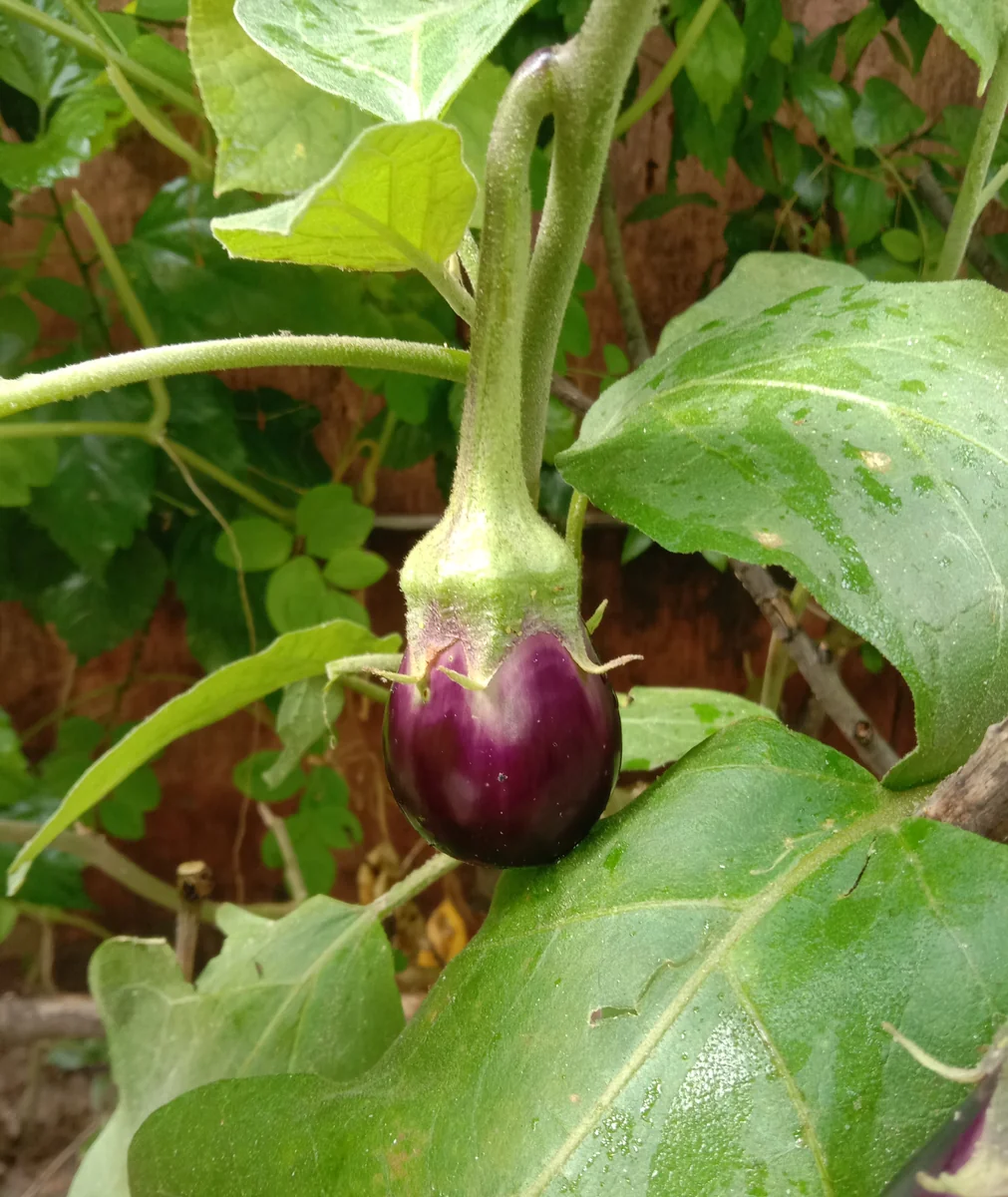

Eggplant at a glance


Weeks relative to last frost (LF). Colored weeks show when our ZIP planner schedules each step.
Jump to
Updated
Planting dates for your ZIP: the ZIP planting planner counts each window from your local frost dates.
Organic pests and diseases: see also organic pest control. Use any product as the label directs.
Nightshade: rotate away from tomatoes, potatoes, peppers and tomatillos (UMN). See also tomatoes and peppers.

Planting timing
UMN: start seeds about eight weeks before planting outside; transplant after nighttime lows are consistently above 50°F; chill below that can permanently hurt fruiting. Pinch flowers while indoors. Harden with nights above 55°F before final set-out. (UMN Extension) UNH: Start indoors 8–10 weeks; transplant 2–3 weeks after last frost. NDSU chart: sow 8 weeks before last frost; transplant 2 weeks after. (NDSU H1139) Purdue HO-186: very tender — plant at least two weeks after average last spring frost (air preferably 60–65°F). (Purdue Extension) Prefer nights >50°F (UMN) as the hard gate, not calendar alone.
Depth and spacing
Seed: UMN ¼ inch deep in sterile soilless mix; germinate on heat mat 75–85°F; then ~70°F soil; thin/transplant seedlings 2–3 inches apart under bright light. Garden: UMN space 18 inches apart, rows 30 to 36 inches; set shoots at the same soil line as in the pot; install supports at planting. Buy transplants: sturdy, up to 1 foot tall, pencil-thick stems, no leaf spots (UMN).
Sun, soil and water
Warmth: black plastic mulch after soil has warmed — heats soil and reduces root damage (UMN). Do not mulch cold soil. Soil: pH 5.5 to 7.5; compost/well-rotted manure; excess N → bushy leafy plants slow to fruit; no “Weed and Feed.” Water: about one inch per week; consistent moisture; avoid overhead; drought/inconsistent water → bitter fruit, low yield, blossom-end rot (a moisture disorder, not a pathogen). Fruit can sunburn if leaf cover is thin in hot dry weather. Climate stress: drought, days above 90°F, or nights below 60°F or above 70°F can cause poor flowering (UMN).
Care
Crop rotation: 3–4 years off nightshades (UMN). Supports at planting; shallow cultivate; organic mulch 3–4 inches after soil warm.
Harvest and storage
Days: Clemson planning chart 70–80 from transplant. (Clemson HGIC) UMN: harvest at mature size while skin still shiny and firm; clip with sharp shears — do not pull; keep picking to encourage more fruit; cold nights injure hanging fruit. Storage: about one week in refrigerator; cold-sensitive (pitting). Home-canned plain eggplant has been linked to botulism — prefer other preservation recipes labeled for safety (UMN caution).
Pests and diseases (organic)
Flea beetles: UMN: many small round holes; can weaken plants and fruit growth. Cultural: floating row cover from transplant until flowering/fruit set; healthy vigorous starts.
Cutworms: UMN: chew stems at soil line. Collars / physical protection at transplant.
Colorado potato beetle, spider mites: UMN: CPB can defoliate; mites bronze leaves in hot dry weather. Handpick beetles; reduce water stress for mites.
Verticillium wilt: most common disease, soilborne — yellow curling leaves then brown (UMN). Cultural: rotation, spacing, water at base. Early blight uncommon. Blossom-end rot is a moisture disorder, not a pathogen.
Related: /grow/tomatoes/ · /grow/peppers/ · organic pest control · ZIP planner
Frequently asked questions
When do I transplant eggplant?
After frost danger and nights stay above about 50°F (UMN)+3).
Why won’t my plants set fruit?
Chilled early planting, excess nitrogen, heat/drought, or night temps outside ~60–70°F comfort (UMN).
How do I harvest without breaking the plant?
Clip fruit with shears; never yank (UMN).
More grow guides: Asparagus · Peas · Cauliflower · Rhubarb · Leeks · Parsley · Swiss chard · Radishes · Arugula · Cilantro · All grow guides
Sources
- University of Minnesota Extension: Growing eggplant in home gardens
- North Dakota State University Extension: NDSU H1139
- Purdue University: Purdue Extension
- Clemson Cooperative Extension: Clemson HGIC