
How to Grow Lima Beans: Planting, Spacing, Care & Harvest
Quick answer
Direct sow about 2 weeks after last frost (CSU very tender). NC State says it is more typical to sow at the last frost date, or start in pots 4 to 6 weeks before last frost. Butter beans are the same species. Raw mature seed is highly toxic — cook thoroughly (NC State).
Lima beans at a glance


Weeks relative to last frost (LF). Colored weeks show when our ZIP planner schedules each step.
Jump to
Updated
Planting dates for your ZIP: the ZIP planting planner counts each window from your local frost dates.
Organic pests and diseases: see also organic pest control. Use any product as the label directs.
Safety: NC State rates poison severity High for lima bean. “Toxic, may be fatal if eaten raw. The raw mature seed is poisonous.” The toxic principle is hydrocyanic acid, “destroyed by thoroughly cooking the seed.” Poison parts: roots and seeds. (NC State Phaseolus lunatus)
Butter beans are lima beans (Phaseolus lunatus) — one page, not a twin URL. Keep separate from snap beans and edamame.
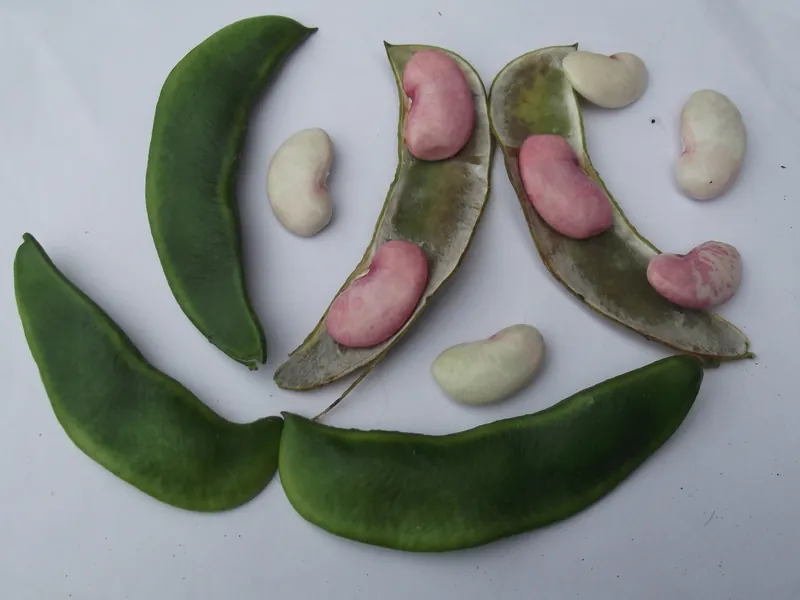

Planting timing
Colorado State lists lima beans among very tender vegetables; when to plant is typically 2+ weeks after the average last spring frost, once weather is consistently warm. (CSU vegetable planting guide) NC State: “Sow seeds outdoors after the danger of frost has passed.” “You can start Lima Beans in pots 4 to 6 weeks before last frost and then plant outside. However, it is more typical to plant seeds outdoors at the last frost date in spring.” (NC State Phaseolus lunatus) Planner: Direct sow last frost +2 (CSU); optional Start indoors last frost −6 to −4 (NC State). Both timing notes are shown because the sources differ.
Depth and spacing
NC State: plant seeds in rows; vine types need poles or other support; bush cultivars often mature earlier. Prefer those home-garden cultural lines over commercial field spacing.
Sun, soil and water
Full sun; good drainage; moist soil; NC State notes the plant can grow in nutritionally poor soils. Production may lag in hot summer (NC State). Prefer compost and a soil test; we omit printed synthetic fertilizer rates from commercial guides.
Care
Pick when pods are ready to encourage more flowers (NC State). Plants can reseed and become weedy if pods shatter (NC State).
Harvest
Many UMD bean planning figures for lima types fall about 75–94 days — check your seed packet. Cook mature seed thoroughly before eating (NC State poison note).
Pests and diseases
NC State: mosaic virus, bacterial blight, anthracnose, powdery mildew, white mold; Mexican bean beetles, Japanese beetles; slugs until plants are established. UMD bean guidance includes corn earworm — Bt kurstaki products where labeled, used as the label directs. Cultural: rotation and sanitation first.
Related: ZIP planner · organic pest control · beans · all grow guides · edamame · fava beans
Frequently asked questions
When do I plant lima beans?
Direct sow about 2 weeks after last frost (CSU). NC State also allows sowing at the last frost date, or an indoor start 4 to 6 weeks before.
Are butter beans different from lima beans?
No — same species (Phaseolus lunatus). One page covers both names.
Can I eat raw lima beans?
No. NC State: raw mature seed is highly toxic (hydrocyanic acid); cook thoroughly.
More grow guides: All grow guides
Sources
- NC State Extension: NC State Phaseolus lunatus
- Colorado State University Extension: CSU vegetable planting guide