
How to Grow Coneflowers: Planting, Care & Japanese Beetles
Quick answer
Clemson: sow seed outdoors in spring or summer up to 2 months before frost. Fall is best for planting established plants. Japanese beetles: handpick or knock into soapy water; do not use Japanese beetle traps (UMN). Not heavy feeders — no fertilizer rates on this page.
Coneflowers at a glance


Weeks relative to last frost (LF). Colored weeks show when our ZIP planner schedules each step.
Jump to
Updated
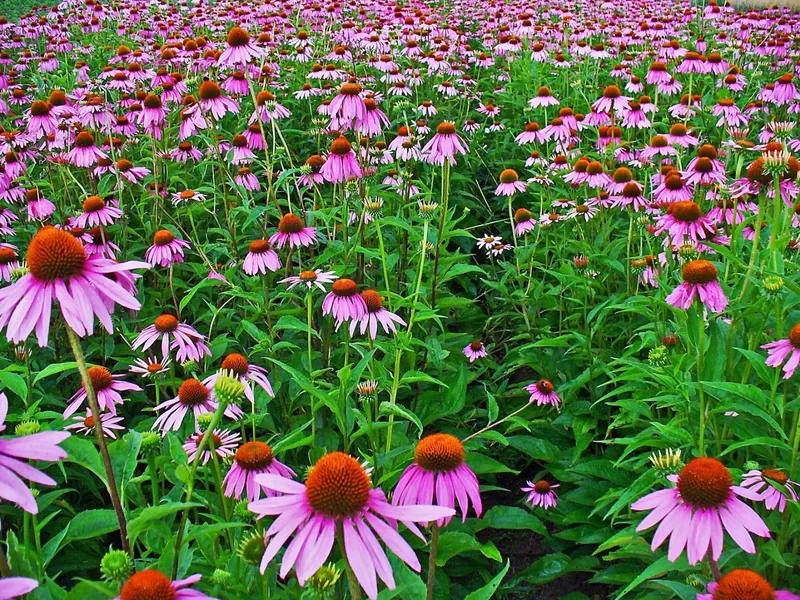
Purple coneflower (Echinacea purpurea). Seed-grown plants may take 2 or more years to size up (Clemson).

Sourced from university extension guides. For dates where you live, use the ZIP planting planner.
Planting timing
Clemson: fall is best for planting established plants. Seeds outdoors “in the spring or summer, up to 2 months before frost.”. Indoor sow at 65–70°F; germinate in 10–20 days; transplant-ready about 20–28 days after sowing. Divide every 3–4 years in spring or fall. (Clemson Echinacea)
Depth and spacing
Clemson: upright to about 4 feet tall and 20–28 inches wide; space for air flow. Cover seeds lightly indoors (light can inhibit germination). Plant nursery stock at the same depth as the container.
Sun, soil and water
Clemson: full sun to part shade; evenly moist well-drained soil; drought- and heat-tolerant once established; poor salt tolerance. Avoid overhead irrigation. Zones about 3–9 by species.
Care
Not heavy feeders (Clemson) — no product rates here. Deadhead for tidy rebloom, or leave seed heads for goldfinches. Remove dead foliage in fall, winter, or early spring. Cut eriophyid-mite-damaged plants to the ground in fall and destroy debris (Clemson).
Pests and diseases (organic)
Japanese beetles: occasional on E. purpurea (NC State). UMN: handpick or knock into soapy water when beetles are sluggish morning or evening; check daily; damaged leaves attract more beetles; do not use Japanese beetle traps (they attract more than they catch). Fine netting is optional if you do not need pollination. Damage is usually cosmetic. (UMN Japanese beetles; NC State)
Powdery mildew, leaf spots, stem rots, aster yellows: Clemson — spacing, drainage, remove plant debris. Aster yellows (leafhopper): remove and destroy infected plants. Aphids: insecticidal soap about 3 times at 5–7 day intervals as labeled.
Related: fall perennial cutback · organic pest control · ZIP planner · what flowers to plant in fall
Frequently asked questions
When do I sow coneflower seed outdoors?
Spring or summer up to 2 months before frost (Clemson) —.
How do I stop Japanese beetles organically?
Handpick into soapy water; skip traps (UMN).
Why are flowers deformed or green?
Possible aster yellows — remove and destroy the plant (Clemson).
Sources
- Clemson Cooperative Extension: Clemson Echinacea
- University of Minnesota Extension: UMN Japanese beetles
- NC State Extension: Echinacea purpurea