
How to Grow Rosemary: Planting, Drainage & Care
Quick answer
Transplant after frost danger has passed and soil is near 60°F (UMN). Optional seed start indoors 6–8 weeks before transplant (last frost −8 to −6); cuttings are easier (NC State). Wet cold soil kills Mediterranean herbs like rosemary over winter more often than air temperature alone (UMD). Do not spray insecticides on herbs.
Rosemary at a glance


Weeks relative to last frost (LF). Colored weeks show when our ZIP planner schedules each step.
Jump to
Updated
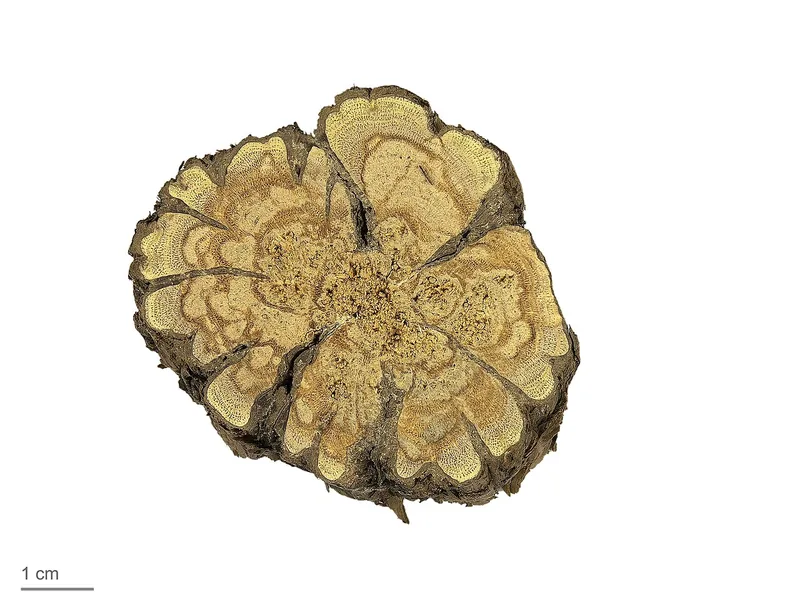
Rosemary (Salvia rosmarinus, syn. Rosmarinus officinalis). Woody evergreen; tender in cold zones. Drainage decides winter survival.

Sourced from university extension guides. For dates where you live, use the ZIP planting planner.
Planting timing
UMN: warm-season herbs including rosemary prefer soil near 60°F; transplant after frost danger has passed. Start seeds indoors about 6 to 8 weeks before transplanting outdoors. (UMN herbs) Planner: Transplant last frost 0; Start indoors last frost −8 to −6. NC State: seed is slow — prefer cuttings. (NC State) Start indoors about 6–8 weeks before last frost.
Depth and spacing
NC State: available space about 3–6 feet; mature width about 3–4 feet; full sun. Plant at nursery depth.
Sun, soil and water
NC State: light, slightly acidic, dry to medium, well-drained soil; drought tolerant; avoid clay and wet humid sites. Overwatering is a common cause of decline. UMD: “Excessively wet, cold soil can cause Mediterranean herbs such as rosemary, thyme, and lavenders to die over the winter.” (UMD)
Care and harvest
Prune for dense growth (NC State). In cold zones, container plants can overwinter indoors. Culinary leaves/teas. UMD: do not spray insecticides on herbs. Fertilize lightly — no product rates (UMN notes rich soil can reduce oil/flavor).
Pests and diseases (organic)
Aphids, mealybugs, whiteflies, spider mites (often indoors); powdery mildew, root rot, botrytis. Cultural: drainage, air flow, avoid overwatering. Soft-bodied pests: prune or water spray — no insecticide sprays on culinary herbs (UMD).
Related: lavender · ZIP planner · organic pest control · mint · culinary sage
Growing oregano (Mediterranean herb companion)
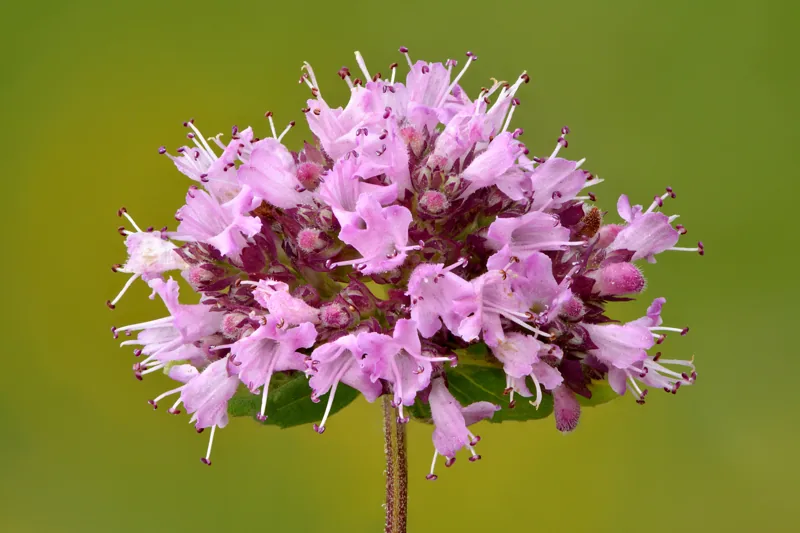

NDSU H1139 groups oregano/marjoram: start indoors 6 weeks before transplanting; transplant 2 weeks after last frost → planner Start indoors last frost −4; Transplant last frost +2. (NDSU H1139) UMD: thin about 10–12 inches apart; grows to about 2 ft; cut back flowers to stimulate foliage; replant when woody. (UMD oregano) Full sun; well-drained soil; root rot risk in wet soils (NC State). UMD: do not spray insecticides on herbs.
Frequently asked questions
When do I plant rosemary outside?
After frost; soil near 60°F (UMN). Planner last frost 0.
Why did it die over winter?
Often wet cold soil / poor drainage (UMD), not only low air temperature.
Start from seed?
Possible but slow; cuttings easier (NC State). Indoors: last frost −8 to −6.
Sources
- University of Minnesota Extension: Growing herbs
- NC State Extension: Salvia rosmarinus
- University of Maryland Extension: Herb problems
- University of Maryland Extension: Oregano
- NDSU Extension: H1139 starting seeds chart