
How to Grow Snapdragons: Planting, Spacing, Care & Pests
Quick answer
Start indoors about 8 weeks before last frost and transplant about 2 weeks before last frost (NDSU). In mild-winter climates, plant in fall/winter for cool-season bloom (UC ANR); heat near 80°F often ends flowering. Space smaller types 6–8 inches and taller about 12 inches. Water at the base to reduce rust.
Snapdragon at a glance


Weeks relative to last frost (LF). Colored weeks show when our ZIP planner schedules each step.
Jump to
Updated
Cool-season bedding. Botanical Antirrhinum majus (Plantaginaceae; older labels may say Scrophulariaceae). Complements what flowers to plant in fall — do not duplicate that hub.
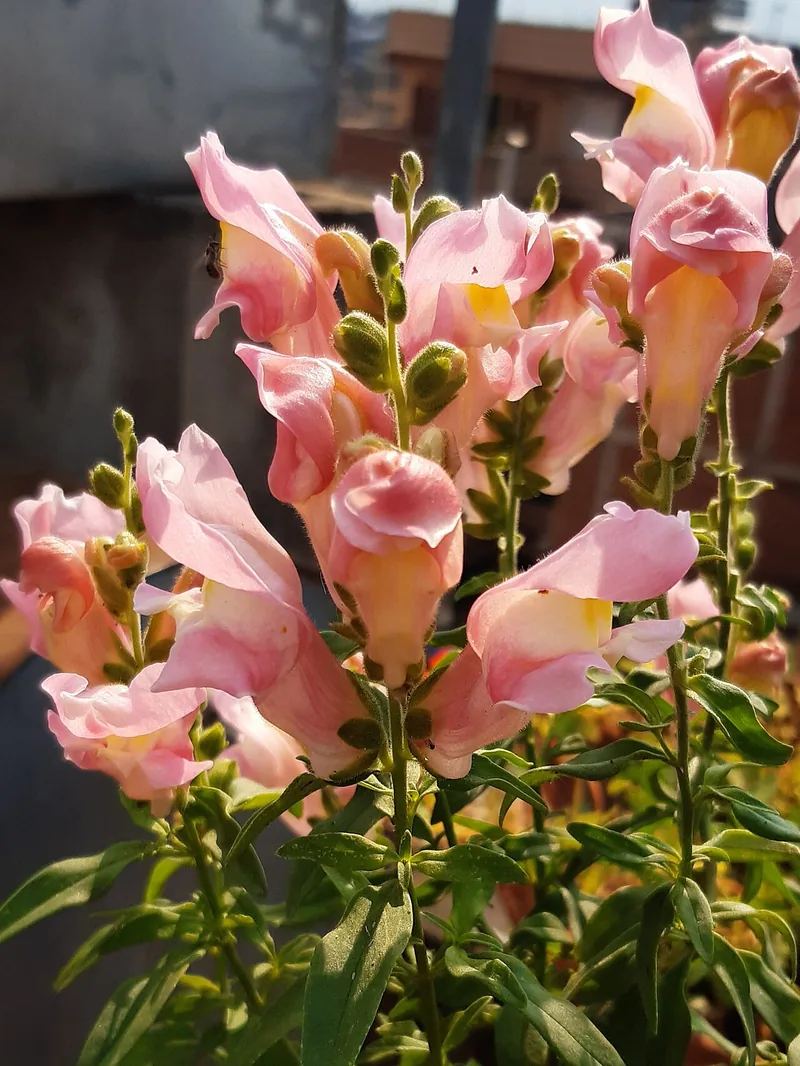

Sourced from university extension guides. For dates where you live, use the ZIP planting planner.
Planting timing
NDSU H1139: sow indoors 8 weeks before last frost; germination 65–70°F in 7–10 days; transplant 2 weeks before last frost (NDSU). UC ANR: cool-season annual; stop blooming once temperatures regularly hit 80°F; Southern California plant mid-September through late winter; perennials in mildest CA zones 9–11 (UC ANR). NC State: short-lived tender perennial grown as annual; languishes in summer heat (NC State). UC IPM: usually treated as annuals; bloom mostly spring and early summer; in mild areas also winter (UC IPM). Present cold-winter spring transplant and mild-winter fall/winter bedding separately. Seed depth is not listed on NDSU H1139 — omit rather than invent.
Seed depth: Iowa State lists snapdragon as requiring light for germination: “After sowing these seeds, lightly press them into the germination medium, but do not cover them.” Germination at 70°F in 7–14 days; sow 8–10 weeks before planting out (Iowa State Yard and Garden). Mississippi State: “Light is required for germination, but a fine layer of vermiculite covering the seeds can maintain moisture levels and prevent algae growth. Bottom-water or mist lightly to avoid covering the seed with displaced soil.” Germination 7–14 days at 70–75°F; sow 8–10 weeks before last frost outdoors (Mississippi State Extension).
Spacing and size
UC ANR: smaller varieties 6–8 inches apart; taller 12 inches. NC State: height 6 in–3 ft, width about 6–10 inches depending on type; tall plants may need staking.
Sun, soil and water
NC State: full sun (6+ hours) to partial shade; moist, rich, well-drained, high organic matter; avoid overhead watering. UC ANR: fertile, well-drained soil in full sun; keep well watered; irrigate from underneath (drip/bubbler/flood) — not overhead — to help prevent rust. UC IPM: full sun; regular water. Soil test / compost-rich beds; no synthetic product rates.
Care
Deadhead / trim faded flowers for longer bloom (UC ANR). If bloom stalls mid-summer, trim back about 1/3 to 2/3 to encourage new growth while weather stays cool enough. Tall types suit cut flowers (UC ANR; NC State). NC State notes flowers are edible but bitter — garnish use only; do not eat nursery plants that may have been sprayed.
Bloom season (Midwest annual table): Purdue Extension HO-80 Annual Flowers lists common snapdragon (Antirrhinum majus) flowering season as June–Oct. Pair with cool-season honesty: heat near 80°F often ends bloom (UC ANR; NC State).
Pests and diseases (organic)
UC IPM snapdragon hub lists aphids, mites, caterpillars, mealybugs, snails/slugs, spider mites, leafminers, whiteflies. Organic starting points: insecticidal soap or oil for aphids/whiteflies with thorough coverage — follow the label; not on water-stressed plants or above ~90°F (UC IPM). Btk for leaf-feeding caterpillars when needed — follow the label. Handpick / iron phosphate bait for snails/slugs — follow the label (UC IPM). Rust is a major disease (NC State; UC ANR) plus mold, leaf spots, downy mildew, wilt, root rots — air flow, avoid overhead irrigation, sanitation, well-drained soil. No synthetic fungicide rates.
Related: ZIP planner · what flowers to plant in fall · pansies · organic pest control
Frequently asked questions
When do I plant snapdragons?
Start indoors about 8 weeks before last frost and set out about 2 weeks before last frost (NDSU). In mild-winter / hot-summer climates, plant in fall/winter for cool-season bloom (UC ANR); heat near 80°F often ends bloom.
How far apart?
About 6–8 inches for smaller types and 12 inches for taller (UC ANR).
Why did my snapdragons stop blooming in summer?
Heat: they are cool-season performers and languish when summers are hot (NC State; UC ANR). Trim and hope for cooler weather, or plan a fall planting where winters are mild.
Sources
- North Dakota State University Extension: H1139
- University of California Agriculture and Natural Resources (UC ANR): Files; Snapdragon; Aphids; Snails and slugs
- NC State Extension: Antirrhinum majus
- Iowa State University Extension: Iowa State Yard and Garden
- Mississippi State University Extension: Mississippi State Extension