
How to Grow Zinnias: Planting, Care, Pests & Diseases
Quick answer
Start indoors about 6 weeks before the outdoor planting date (UMN; Clemson annuals also 6–8 weeks). Direct sow or transplant after last frost when soil is warm (~70°F for seed). Bloom about 8–12 weeks after sowing (Clemson). Prevent powdery mildew with spacing, full sun, and watering at the soil line.

Zinnias at a glance


Weeks relative to last frost (LF). Colored weeks show when our ZIP planner schedules each step.
Jump to
Updated
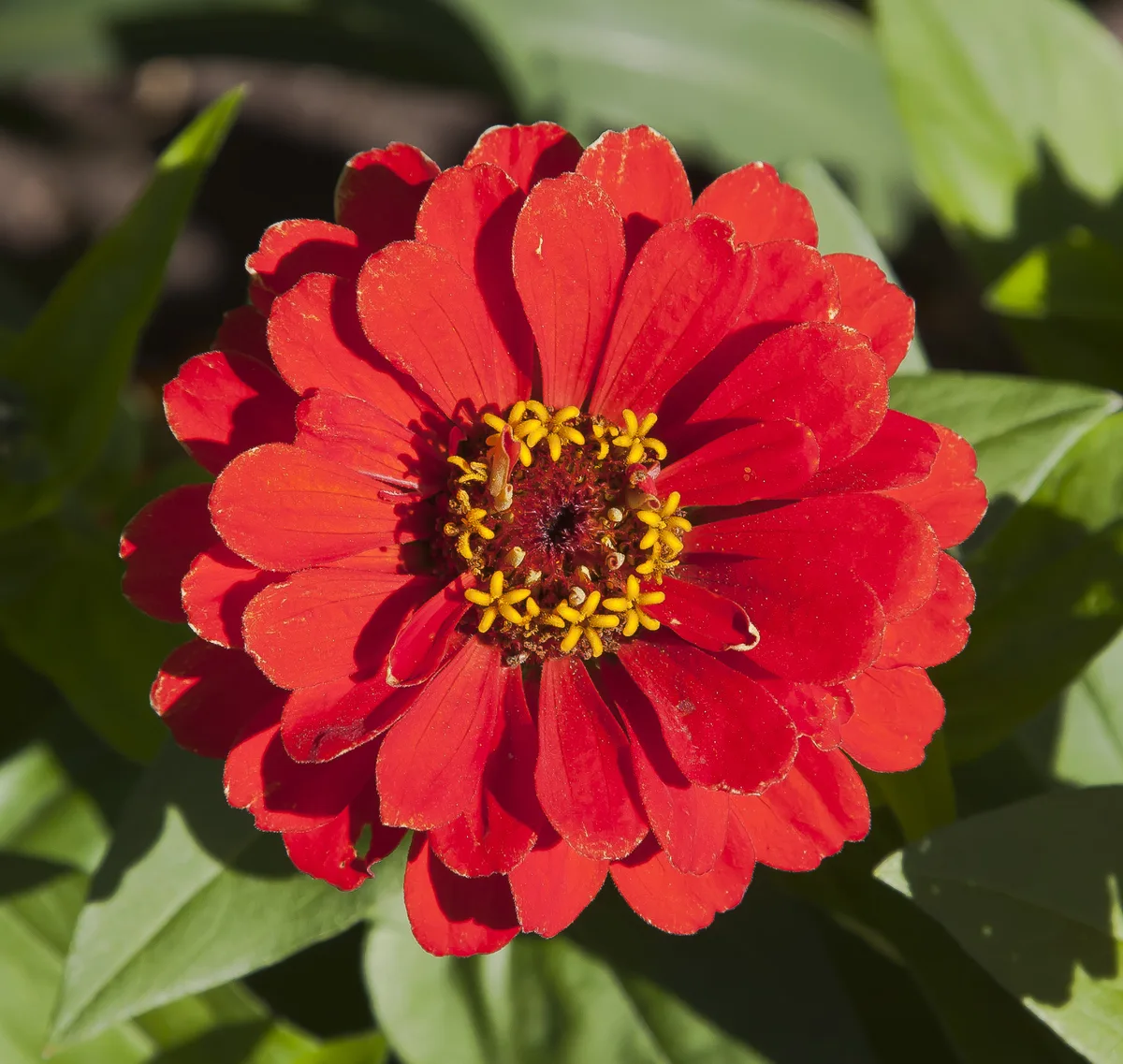
Zinnia (Zinnia elegans) — warm-season tender annual. Highly susceptible to powdery mildew in humid weather.
Sourced from university extension guides. For dates where you live, use the ZIP planting planner.
Planting timing
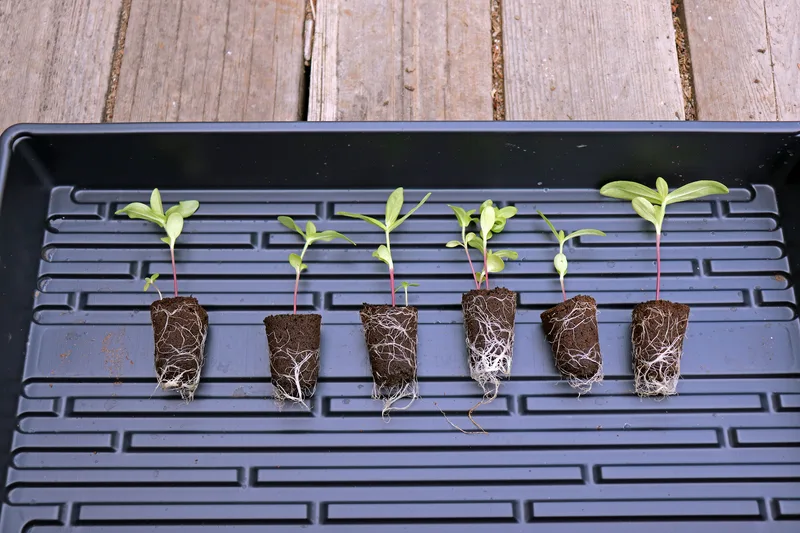

Clemson: direct sow when the chance of last frost has passed and soil/air are about 70°F; transplants after frost danger. Bloom 8 to 12 weeks after sowing. (Clemson zinnias) Clemson growing annuals: many summer annuals started indoors 6 to 8 weeks before last frost. (Clemson annuals)
UMN: direct seed when soil is at least 70°F; transplants once soil is about 60°F. Start indoors about 6 weeks before the outdoor planting date. (UMN zinnia) NC State: sow after last frost. (NC State)
Depth and spacing
Clemson / UMN: seed about ¼ inch deep. Thin or space 8 to 24 inches by habit (dwarf often ~8–9 in; taller ~12 in per Clemson). Rows about 12 inches (Clemson). Do not plant transplants deeper than the root ball.
Sun, soil and water
UMN: full sun 8+ hours; well-drained; pH about 5.5 to 7.5. Clemson: at least 6 hours full sun; fertile organic well-drained soil; water at the base about 1 inch per week when the top 1–2 inches are dry — avoid overhead watering that favors powdery mildew and leaf spots. NC State: air circulation against fungal leaf diseases.
Care
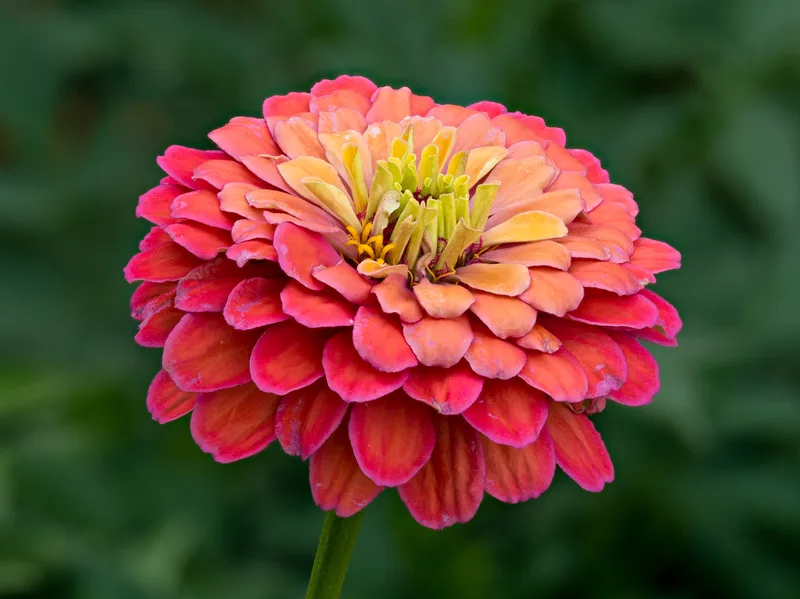

Deadhead for continuous bloom (UMN; Clemson). Pinch for bushiness. Keep the soil surface clean (UMN). Prefer soil test and compost over printed NPK rates.
Pests and diseases (organic)
Aphids, spider mites, whiteflies: Clemson — hose with a strong stream of water; insecticidal soap in late evening with coverage to leaf undersides; follow the label. Zinnias feed beneficials, so prefer cultural controls first. (Clemson pests)
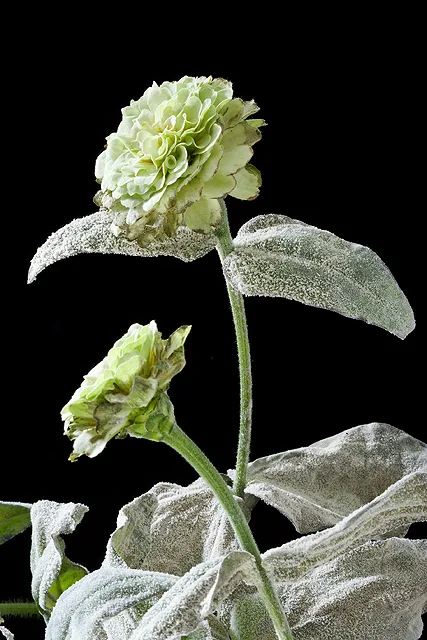
Powdery mildew: UMN notes zinnias are highly susceptible; keep foliage dry and air moving. UMD powdery mildew on flowers lists zinnia; horticultural oil if labeled, not above 85°F. (UMN; UMD) Clemson: water at the base; remove end-of-season debris; rotate bedding species.
Leaf spots: base watering, spacing, sun, and debris cleanup (Clemson; NC State).
Related: what flowers to plant in fall · organic pest control · ZIP planner · petunia
Growing celosia (warm tender annual)
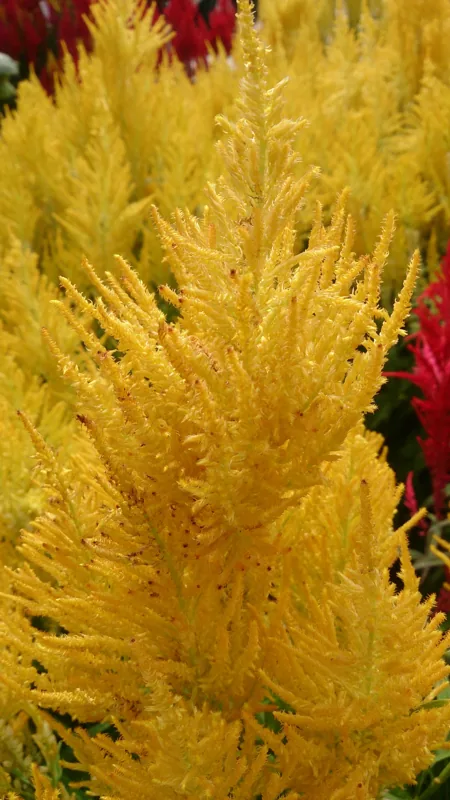

Purdue HO-14: start celosia (cockscomb) indoors 6 weeks before last frost; frost tolerance after hardening none. NC State: start indoors and transplant after the last frost, or direct sow. Planner: Start indoors last frost −6; Transplant / direct sow last frost 0. (Purdue HO-14-W; NC State celosia)
NC State: height about 9–18 in; width about 9–12 in; full sun; thrives in heat and humidity; well-drained soil. Deadhead to limit reseeding. Flower rot follows crowding, rain, and humidity — give space. Slugs: handpick or iron phosphate as the label directs. NC State tags the species non-toxic for cats, horses, and dogs.
Frequently asked questions
When do I plant zinnias?
After last frost when soil is warm (~70°F for seed). Start indoors about 6 weeks before the outdoor plant date (UMN); Clemson annuals also list 6–8 weeks.
How long to bloom?
About 8–12 weeks after sowing (Clemson).
How do I prevent powdery mildew organically?
Space for air, full sun, water at the soil line, remove debris (UMN; Clemson; UMD).
Sources
- Clemson Cooperative Extension: Clemson zinnias; Clemson annuals; Clemson pests
- University of Minnesota Extension: UMN zinnia
- NC State Extension: Zinnia elegans
- University of Maryland Extension: Powdery mildew disease flowers
- NC State Extension: Celosia argentea