
Is It Too Late to Plant Grass Seed? Fall Seeding Deadlines by Zone and Dormant Seeding
Quick answer
For cool-season lawns, the best seeding window has closed for most of the country by mid-October: seed at least 45 days before your first fall frost. If you missed it, don’t seed now. Wait and dormant seed once the soil is below 40°F (usually November to early December) so the seed sprouts in spring, or seed again in spring. Warm-season grasses such as bermuda and zoysia are seeded in late spring and early summer, not fall.
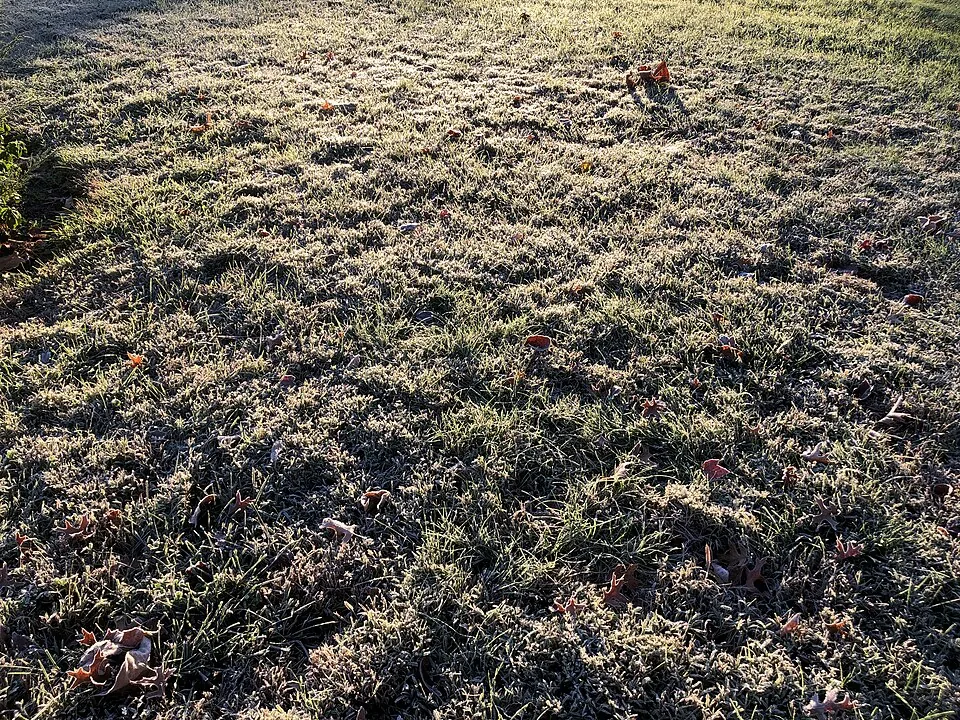
Fall is the best time to seed a cool-season lawn, but only if the grass has time to establish before frost. Here’s the deadline for your USDA zone, what to do if you missed it (dormant seeding), and why warm-season lawns follow a different calendar.
The fall deadline for cool-season grass
This covers Kentucky bluegrass, tall fescue, fine fescue and ryegrass.
- “Late summer or early fall is the best time to plant cool-season grass seed. When planted at least 45 days before the first fall frost, the grass will be able to establish roots in ideal soil and air temperatures and be ready come spring” (Illinois Extension).
- “Cool-season grasses are best established in the fall four to six weeks before the first killing frost date” (UGA Extension).
- Why fall: “few weed species germinate in the fall, so there is little weed competition” (Iowa State).
- Every week counts: “less cover and density going into winter can be typically be expected with each passing week that seeding is delayed” (UMass Extension).
| USDA zone | Typical first fall frost | Seed by (Illinois, 45 days before) | Seeding window (UGA, 4 to 6 weeks before) |
|---|---|---|---|
| Zone 3 | Sep 23 | Aug 9 | Aug 12 to Aug 26 |
| Zone 4 | Sep 30 | Aug 16 | Aug 19 to Sep 2 |
| Zone 5 | Oct 7 | Aug 23 | Aug 26 to Sep 9 |
| Zone 6 | Oct 19 | Sep 4 | Sep 7 to Sep 21 |
| Zone 7 | Oct 28 | Sep 13 | Sep 16 to Sep 30 |
| Zone 8 | Nov 10 | Sep 26 | Sep 29 to Oct 13 |
About this table: first fall frost = the median across each zone’s ZIP codes of the nearest NOAA NCEI 1991–2020 Climate Normals station’s 50%-probability 32°F date (data/zonefrost.json; NCEI). Illinois rule: seed by the frost date minus 45 days. UGA rule: seed 4 to 6 weeks before the first killing frost; UGA says “killing frost,” and we use the 32°F date for both rules. Enter your ZIP in the planner for the dates at your nearest NOAA station.
Published state windows: Iowa State, “from mid-August to mid-September.” UMass (most of Massachusetts), “from approximately the third week of August until about the third week of September,” with “some leeway into October for less disruptive efforts such as overseeding into existing turf (especially slice seeding) and smaller scale repairs.” K-State (Kansas): “Early October seeding can be successful if fall temperatures remain mild and weed competition remains low. October 15th is generally considered the last day for planting a lawn in the fall” (K-State).
By mid-October, every zone from 3 to 8 is past its fall seeding date by both rules. If you missed it, see the late-season options and dormant seeding below.
Missed it? Late-season options
- Small repairs and overseeding: UMass allows some leeway into October (above). Late in the season, UMass says to “avoid slower establishing bluegrasses later in the season and opt for quicker options such as perennial ryegrass instead,” but warns “perennial ryegrass is among the least low temperature tolerant among available cool season grasses.”
- Sod can go in “as long soil is not frozen and soil temperatures are conducive to rooting (above approximately 50 degrees)” (UMass).
- Why late seedings fail: “Late plantings that fail are usually not killed by cold temperatures but rather desiccation” (K-State). Iowa State: keep “the upper inch of soil continuously moist” during germination.
Dormant seeding
Dormant seeding means sowing after it’s too cold for seed to sprout, so it sits over winter and germinates in spring.
- When (soil below 40°F): “It can be done anytime soil temperatures are below 40°F, which is typically from early November to the middle of March for most of Minnesota” (UMN Extension). Iowa State: “after turf growth has stopped but before the ground freezes, typically from late November through early December (and as late as early February if winter conditions allow it),” with soil “40°F or lower to prevent germination before winter.” K-State: “Begin dormant seeding when soil temperatures average less than 40°F, normally mid to late November.”
- Why it works: it “takes advantage of the natural freeze/thaw cycle over winter to ensure proper seed-to-soil contact” (UMN), “often resulting in earlier establishment than spring seeding” (Iowa State).
- Which grasses: “Dormant seeding works with all cool-season turfgrass species grown for lawns in Minnesota, including Kentucky bluegrass, the fine fescues, and tall fescue” (UMN). It “often actually works better for slower-establishing species such as Kentucky bluegrass, and less well for faster species like perennial ryegrass” (UMass).
- Risks: “The primary risk is a warm spell during the winter or early spring that initiates germination of seedlings which are subsequently killed if bitter cold returns.” “A winter with little snow cover can also cause seeds to dry out” (UMass).
- How: bag the leaves first (“bagging tree leaf litter before dormant seeding can help ensure the seeds reach the soil surface”); “Seed at half rates in opposite directions for best coverage”; on bare soil, “use a germination or erosion control blanket to hold the seed in place”; and “buy 10-20% more than necessary to overseed in late spring for any areas that failed to emerge” (UMN). Iowa State: “additional overseeding in spring may be needed to fill thin areas.”
- Spring trade-off: “most crabgrass preemergent herbicides cannot be used, as they will affect the turfgrass seed” (UMN). The same conflict applies in fall: see fall pre-emergent. Use lawn-labeled products only, used as the label directs.
Spring seeding instead
Spring seeding “(early April to mid-May) is possible when irrigation is available,” but spring lawns “are often infested with annual weeds unless preventive measures are taken” (Iowa State).
Warm-season lawns (bermuda, zoysia, centipede, St. Augustine)
- “The best time to plant warm-season grasses is late spring or early summer, once soil temperature at the 4-inch depth is consistently above 65°F” (UGA).
- “Seed, plugs, or sprigs of bermudagrass, centipedegrass, or zoysiagrass should be planted between May 1 and June 30 to allow plants adequate time to mature before fall frost” (UT Extension).
- Winter color instead: warm-season lawns “can be overseeded with cool-season grasses (ryegrass or rough bluegrass),” “usually done 2 to 4 weeks prior to the first fall temperature date of 32 F.” “The bermudagrasses tolerate overseeding best, while it is difficult to get a uniform overseeding in centipedegrass and zoysiagrass turfs.” The downsides: “weak stands due to competition with the overseeding species and delayed spring green-up” (UGA).
- “It is not recommended to overseed other warm-season grasses [than bermudagrass] due to spring competition concerns during transition” (Virginia Tech). For zoysiagrass, “perennial ryegrass overseeding for winter color is not recommended” (UT).
| USDA zone | Ryegrass overseeding window (UGA, 2 to 4 weeks before the first 32°F date) |
|---|---|
| Zone 7 | Sep 30 to Oct 14 |
| Zone 8 | Oct 13 to Oct 27 |
| Zone 9 | Nov 5 to Nov 19 |
| Zone 10 | Frost absent in 70% of ZIP codes; no rule |
About this table: same NOAA zone medians as the table above (data/zonefrost.json).
Overseeding with ryegrass rules out a fall pre-emergent on that lawn: see don’t use pre-emergent where you’ll seed.
After seeding
“Mow new grass when it reaches 3 inches tall using a sharp mower blade” (Iowa State). Before spraying weeds in new grass, wait 3 to 4 mowings, and wait 30 days before seeding where a broadleaf herbicide was used: see fall lawn weed control. Use lawn-labeled products only, used as the label directs.
Your frost dates: frost dates Zone 3 Zone 4 Zone 5 Zone 6 Zone 7 Zone 8 ZIP planner
Frequently asked questions
Is it too late to plant grass seed in October or November?
For cool-season lawns in zones 3 to 8, yes for regular seeding: by mid-October every zone is past both the Illinois and UGA deadlines. UMass allows some leeway into October for overseeding and small repairs. In November, wait and dormant seed once the soil is below 40°F.
Dormant seeding vs. spring seeding?
Dormant seed sown in late fall uses the winter freeze-thaw cycle for seed-to-soil contact and often establishes earlier than spring seeding (UMN, Iowa State). Spring seeding (early April to mid-May) needs irrigation and faces more annual weeds (Iowa State).
Can I seed bermuda in the fall?
No. Bermudagrass, centipedegrass and zoysiagrass are planted between May 1 and June 30 (UT Extension), or in late spring to early summer once 4-inch soil is above 65°F (UGA). In fall you can overseed bermuda with ryegrass for winter color.
Will frost kill new grass seedlings?
Late plantings that fail are usually killed by drying out, not cold (K-State). For dormant seed, the main risk is a winter warm spell that sprouts seedlings before bitter cold returns (UMass).
Sources
- University of Illinois Extension: Choose the right grass seed for a thriving lawn (Aug 6, 2020)
- University of Georgia Extension: Basic Turfgrass Management for Georgia (2024)
- Iowa State University Extension: Seeding a New Lawn
- UMass Extension: Late Season Establishment Considerations
- NOAA National Centers for Environmental Information: U.S. Climate Normals 1991–2020
- Kansas State University Research and Extension: Seeding Cool-Season Grasses
- University of Minnesota Extension: Dormant seeding to establish or improve your lawn
- UT Extension: Chapter 10: Turfgrass Management in Tennessee
- Virginia Cooperative Extension (Virginia Tech): Maintenance Calendar for Warm-Season Turfgrasses in Virginia (SPES-669)