
When to Cut Back Ornamental Grasses
Quick answer
Most ornamental grasses are best left standing through winter and cut back in late winter or early spring, just before new growth starts. Warm-season grasses (they turn tan or brown in fall) can be cut almost to the ground. Cool-season and evergreen grasses (they stay green) get a light cleanup instead of a hard cut, especially before winter. See fall perennial cutback and pruning guides.
Jump to
Updated
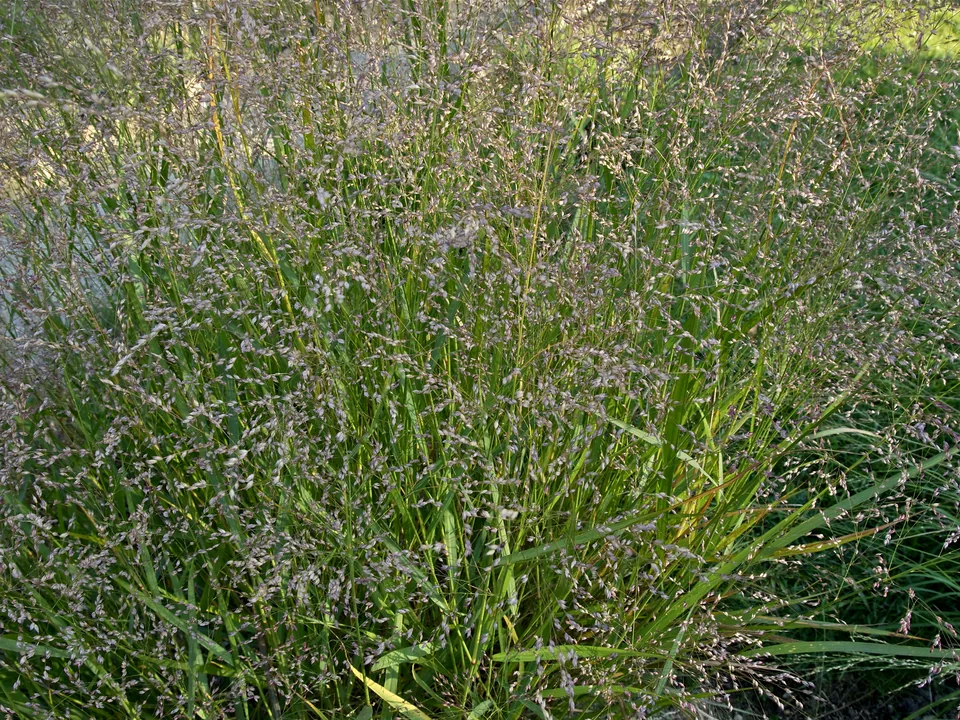

Most ornamental grasses look their best left standing through winter, then cut back in late winter or early spring. Warm-season grasses that turn tan get a hard cut; cool-season and evergreen grasses get a light cleanup instead. Here’s how to tell which you have, how short to cut, and when, from university extension guides.
Jump to: Why wait until spring Warm-season or cool-season Warm-season grasses Cool-season and evergreen Timing by region Divide while you cut More guides
Why most grasses wait until spring
- Winter interest. Iowa State: let grasses and their flower heads “stand all winter”. “Even when tan and dead, they are quite attractive after a snowfall.”
- Sound and movement. UF/IFAS (EP233): dried foliage adds sound and movement to the winter garden, so “pruning of the dead foliage and inflorescences is not recommended until growth resumes in the early spring”.
- Wildlife. UC Marin Master Gardeners: waiting until spring lets birds eat the seed heads and use the grass for nesting, and gives overwintering insects shelter.
Our fall cutback guide already leaves ornamental grasses standing until spring — see which perennials to cut back in fall for which other perennials to cut or leave.
Is it warm-season or cool-season? A simple test
- Look now. UC Marin Master Gardeners: if the grass is brown, it is warm-season; if it is green, it is cool-season.
- Why that works. Warm-season grasses go dormant when it gets colder and soil reaches about 55°F, turning brown through winter. Cool-season grasses can grow year-round and tend to be evergreen or semi-evergreen (UC Marin Master Gardeners).
- Warm-season examples (Illinois Extension): switchgrass, little bluestem, fountain grass, Hakone grass, northern sea oats, and Japanese silver grass (Miscanthus) as an identification example only — this page does not recommend planting it.
- Cool-season examples (Illinois Extension): blue fescue, feather reed grass, autumn moor grass.
- Climate caveat. Behavior can vary by climate; in Florida, dormant warm-season grasses may stay green or freeze back (UF/IFAS (EP233)).
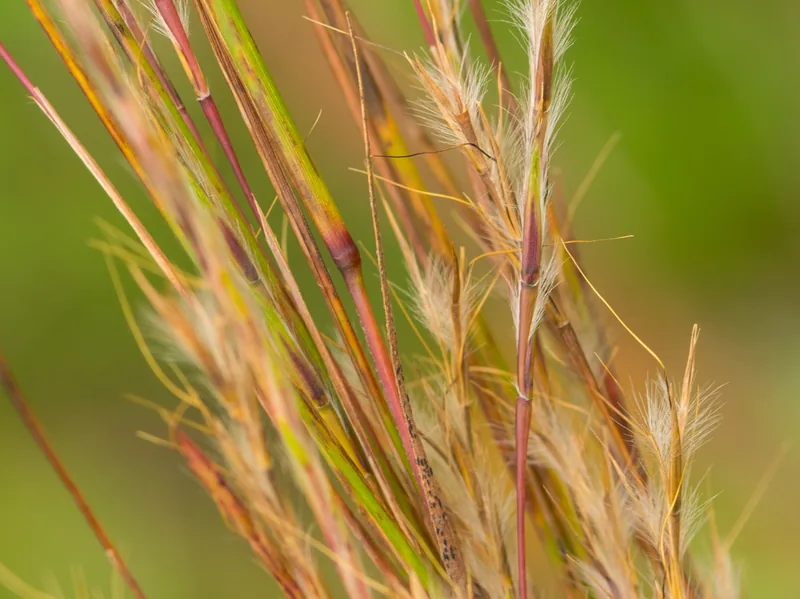

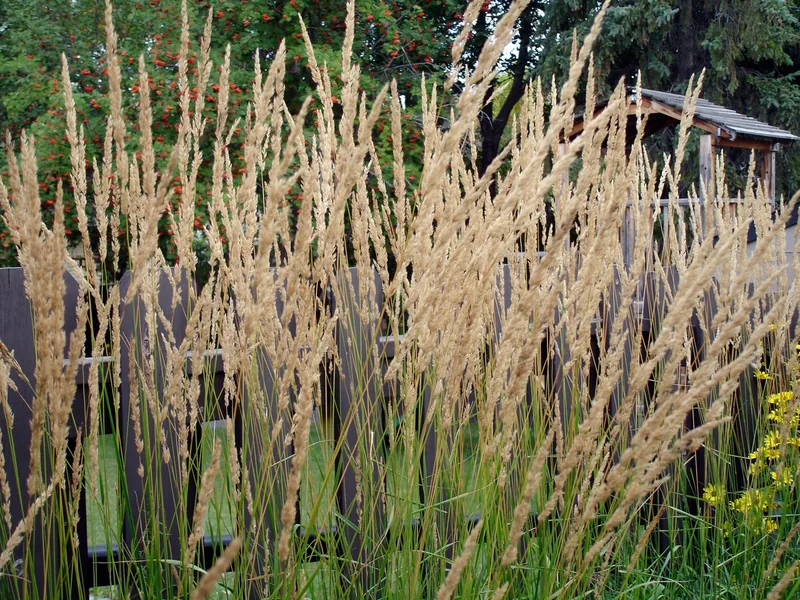

Warm-season (brown) grasses: how and when
Cut back in late winter or early spring before new growth starts. Extension sources give different cut heights — use the one that matches your source, and do not average them:
| Source | Cut height | Taller grasses |
|---|---|---|
| Illinois Extension | 4 to 6 inches above the ground (warm-season, before new foliage) | — |
| Iowa State | 2 to 4 inches of the ground (hand shears, loppers or hedge trimmers) | — |
| UC Marin Master Gardeners | About 3 inches if the grass stays under 3 feet tall | About 6 inches if it grows over 3 feet tall |
About this table: Heights are quoted as each source states them. Illinois Extension: four to six inches. Iowa State: 2 to 4 inches. UC Marin Master Gardeners: under 3 feet → about 3 inches; over 3 feet → about 6 inches.
- Fall is optional. UC Marin Master Gardeners: fall cutting after the grass turns brown is also an option, and a good idea in high wildfire-risk areas.
- Finish before new tips. If you cut in spring, finish before new growth starts so fresh tips are not cut (UC Marin Master Gardeners; UC Marin Master Gardeners).
- Tie the clump. Tie with twine, a bungee cord or tape a few inches above the cut line for easier cleanup (UC Marin Master Gardeners; UC Marin Master Gardeners).
- Protect yourself. Wear gloves and long sleeves; leaves can be sharp (UC Marin Master Gardeners; UC Marin Master Gardeners).
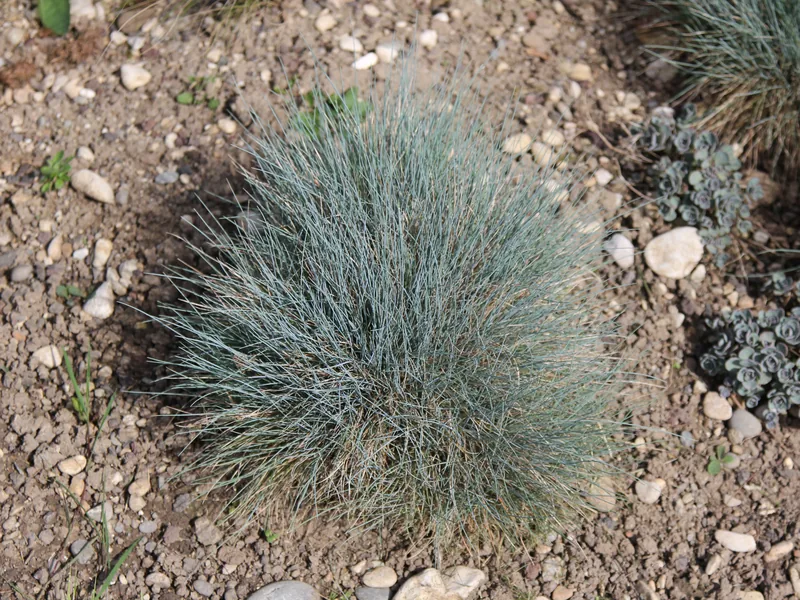

Cool-season and evergreen (green) grasses
- Do not hard-prune every year. Comb out brown blades with gloved hands (UC Marin Master Gardeners; dishwashing gloves work well).
- Rejuvenation every 2 to 3 years. Never remove more than two-thirds of the plant; cutting too much can let moisture collect on the crown and cause rot (UC Marin Master Gardeners; UC Marin Master Gardeners).
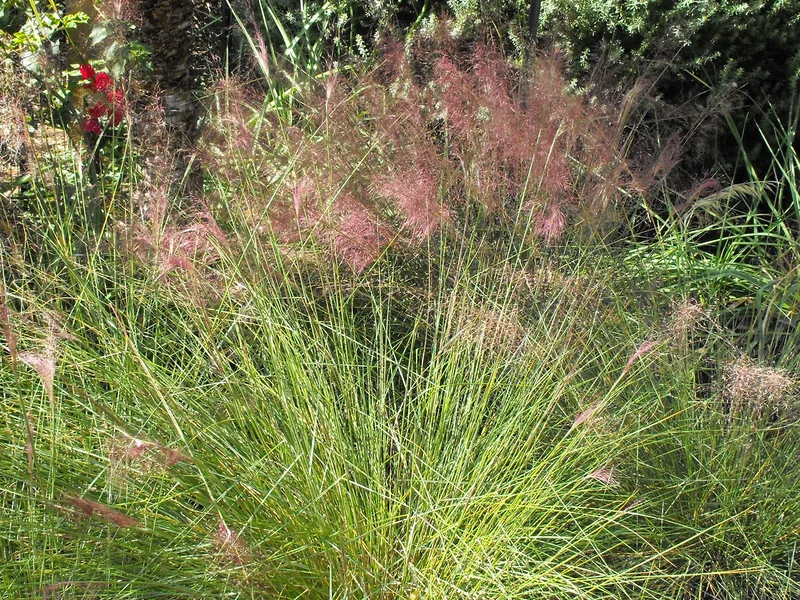
- Evergreen grasses such as muhly. UF/IFAS (EP233): trim ragged dead tips any time; they recover from heavier spring pruning but cannot tolerate severe pruning before winter dormancy.
- Illinois timing. Cut cool-season grasses back in late winter or early spring, leaving a few inches of foliage (Illinois Extension).

Timing by region
Extension sources give calendar windows, not a frost rule. Zone labels for Iowa and Florida regions below are approximate:
| Region (source) | Cut-back window |
|---|---|
| Iowa (zones 4–5, approximate; Iowa State) | April, before new growth |
| North and central Florida (zones 8–9, approximate; UF/IFAS EP233) | February and March |
| South Florida (zones 10–11, approximate; UF/IFAS EP233) | January or February, before new growth |
About this table: Iowa State gives April for Iowa. UF/IFAS (EP233) gives February–March for north and central Florida and January–February for south Florida, before new growth.
Local frost reference (not a cutting rule). Average last spring frost by USDA zone, from NOAA 1991–2020 normals (50% chance of 32°F). Use this only to place spring on your calendar — cut before new growth begins, not by frost date. Zone 7 searchers can also check the zone 7 planting calendar. Get your local date in the ZIP planner.
| USDA zone | Last spring 32°F (50%): early / median / late |
|---|---|
| Zone 3 | May 12 / May 17 / May 30 |
| Zone 4 | May 2 / May 10 / May 26 |
| Zone 5 | Apr 23 / May 3 / May 21 |
| Zone 6 | Apr 13 / Apr 26 / May 10 |
| Zone 7 | Apr 1 / Apr 11 / Apr 26 |
| Zone 8 | Mar 9 / Mar 24 / Apr 7 |
| Zone 9 | Jan 24 / Feb 24 / Mar 16 |
| Zone 10 | Jan 6 / Jan 24 / Feb 6 (most years no 32°F) |
| No 32°F in normals |
About this table: Data: NOAA NCEI 1991–2020 U.S. Climate Normals via Sow & Sprout data/zonefrost.json (early / median / late across each zone’s ZIP codes). This table is a frost reference only.
Divide while you are at it
- Dead centers. Grasses that are not divided die out in the center, forming a doughnut shape; divide in early spring before new growth (Illinois Extension).
- When you see a dead spot. Divide and discard the dead portion (Iowa State).
More guides
Which perennials to cut back in fall Should you prune hydrangeas in fall When to prune flowering shrubs November garden tasks Zone 7 planting calendar ZIP planner Pruning guides
Frequently asked questions
Should I cut back ornamental grass in the fall?
Usually no. Leave it for winter interest and wildlife, then cut in late winter or early spring (Iowa State; UF/IFAS EP233; UC Marin Master Gardeners). Warm-season grasses can be cut in fall after browning if needed — for example in high wildfire-risk areas (UC Marin). Never hard-cut evergreen grasses before winter (UF/IFAS).
How short should I cut ornamental grasses?
Warm-season grasses: sources differ, so pick one and follow it — Illinois Extension says 4 to 6 inches, Iowa State says 2 to 4 inches, and UC Marin Master Gardeners say about 3 inches for grasses under 3 feet tall and about 6 inches for taller ones. Cool-season grasses: remove no more than two-thirds of the plant (UC Marin), or leave a few inches of foliage (Illinois).
Should I cut back fountain grass?
Illinois Extension lists fountain grass as a warm-season grass, so treat it like other warm-season (brown) grasses: hard cut in late winter or early spring before new growth, or in fall after it browns if you need to (for example in wildfire-risk areas).
Sources
- Iowa State University Extension and Outreach: Ornamental Grasses in the Home Landscape
- UF/IFAS Extension: Considerations for Selection and Use of Ornamental Grasses (EP233)
- University of California Agriculture and Natural Resources (UC ANR): How to prune ornamental grasses; Caring for Ornamental Grasses
- University of Illinois Extension: Incorporate ornamental grasses into the landscape for natural movement