
When to Plant Paperwhites and Amaryllis for Christmas (and How to Force Them)
Quick answer
Paperwhites need no cold treatment and bloom about 3 to 5 weeks after planting; amaryllis take about 6 to 8 weeks (UW–Madison Extension). For Christmas, count back from Dec. 25: pot amaryllis from about Oct. 30 to Nov. 13 and start paperwhites from about Nov. 20 to Dec. 4. Pot up paperwhites every 10 days or so for blooms all winter (Illinois Extension).
Jump to
- When to plant paperwhites and amaryllis for Christmas
- Do paperwhites and amaryllis need a cold treatment?
- How to force paperwhites in water, gravel or soil
- Why paperwhites fall over (and the alcohol trick)
- How to plant amaryllis bulbs in pots
- How to get an amaryllis to bloom again next year
- Can you plant amaryllis outside?
- Are amaryllis poisonous to cats and dogs?
- More guides
- Frequently asked questions
Updated
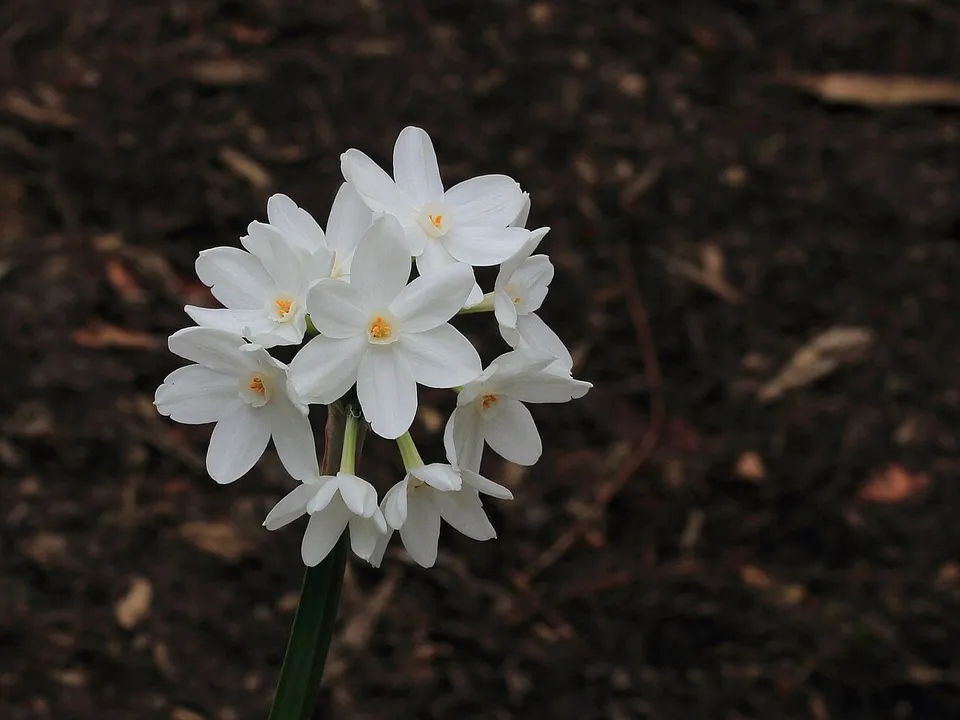

Paperwhites and amaryllis are the two holiday bulbs that bloom indoors without months of cold. To have them in flower for Christmas, count back from the date you want blooms. Here is when to plant paperwhites and amaryllis for Christmas, how to force paperwhites in water, gravel or soil, how to keep them from falling over, how to pot an amaryllis, and how to get it to bloom again, from university extension guides.
Jump to: Planting dates for Christmas Do they need cold? Forcing paperwhites Paperwhites falling over Potting amaryllis Amaryllis rebloom Amaryllis outside Pets
When to plant paperwhites and amaryllis for Christmas
UW–Madison Extension: “Paperwhite narcissus and amaryllis are the easiest bulbs to force and don't require a long time for rooting. Paperwhites bloom in just 3 to 5 weeks, while amaryllis can bloom in 6 to 8 weeks.” So the planting date is simply your bloom date minus those weeks.
| Bulb | Weeks from planting to bloom | Plant for Christmas (Dec. 25) bloom |
|---|---|---|
| Amaryllis (Hippeastrum) | 6 to 8 | Oct. 30 to Nov. 13 |
| Paperwhites (Narcissus papyraceus) | 3 to 5 | Nov. 20 to Dec. 4 |
About this table: Calculated by Sow & Sprout from the bloom times published by UW–Madison Extension (paperwhites 3 to 5 weeks, amaryllis 6 to 8 weeks), counted back from Dec. 25, 2026. Actual timing varies with the bulb and room temperature. For another date, subtract the same number of weeks from it.
- Paperwhites can be faster. Cornell’s Flower Bulb Research Program says paperwhite flowers “usually open up within 2-3 weeks of planting.” If yours tend to run early, plant toward the end of the window.
- Amaryllis can be faster too. NC State Extension says to pot amaryllis “between mid-autumn and late winter for bloom approximately five weeks later.” The table uses UW–Madison’s longer 6 to 8 weeks so the flowers are not late.
- Blooms all winter. Illinois Extension: “If you can pot up paperwhite narcissus bulbs every 10 days or so starting in the fall, you can have a succession of bloom all through the winter.”
- Too early or too late? UW–Madison says you can adjust: “If the plants are developing too quickly, move them to a cooler spot and reduce watering. To speed flowering, put plants in a warmer place.”
Do paperwhites and amaryllis need a cold treatment?
No. UW–Madison: “Most bulbs require cold, dark conditions that simulate winter in order to bloom.” “However, amaryllis and paperwhite narcissus bulbs do not require a cold treatment.” Illinois Extension says most spring bulbs “need a cold treatment before they will initiate a flower”, but paperwhites “do not need a cold treatment in order to flower.” That is the difference from tulips and daffodils, which go in the ground in fall: see when to plant tulip and daffodil bulbs.
The holiday amaryllis is not botanically an Amaryllis. University of Minnesota Extension: these plants “are hybrids of the genus Hippeastrum and are native to Central and South America”.
How to force paperwhites in water, gravel or soil
- Gravel or pebbles and water. UW–Madison: “After filling the pot about two-thirds with pebbles, gravel or soil, place as many bulbs (flat end down) in the container as will fit without touching each other.” Then “Add water to the pot until it just reaches the bottoms of the bulbs.”
- Keep the bulbs out of the water. Illinois Extension: “Do not immerse the bulbs in water, only the basal plate of the bulb where the roots originate should be in water.” UW–Madison warns: “If water touches the bulbs, they will rot.”
- A container with no drainage hole. Illinois says to “select a 3- to 4-inch deep decorative container” and “Place 1 to 2 inches of washed gravel or stones in the bottom”. “Bulbs can be placed as close as desired.”
- In soil. In a pot with drainage holes, Illinois uses potting mix, with the “tops of the bulbs even or slightly below the rim of the pot.”
- Roots first, then light. UW–Madison: “Place the container in a cool, dark spot (45 to 50 °F) to encourage root growth.” “In about three weeks, after roots have developed, move the pot to a cool, sunny spot.” Illinois adds that “Paperwhites will flower under any light conditions”.
- Make the flowers last. “The fragrant flowers will last 10 days to several weeks in cool conditions (less when conditions are warm).” (UW–Madison)
- After they bloom. Paperwhites are tender bulbs. Illinois, which is outside zones 8 to 11, says gardeners there “typically force these bulbs, enjoy their beauty, and then discard or compost.” UW–Madison adds that “Bulbs grown without potting mix are more difficult to transplant and often won't bloom again, even in the garden.”
Why paperwhites fall over (and the alcohol trick)
Forced paperwhites often grow tall and flop. Cornell’s Flower Bulb Research Program found that a little alcohol in the water keeps them shorter. Wait “about 1 week until roots are growing, and the shoot is green and growing about 1-2″ above the top of the bulb”, then pour off the water and replace it with “a solution of 4 to 6% alcohol”.
- The mix. Cornell: “to get a 5% solution from a 40% distilled spirit” such as gin, vodka or whiskey, “you add 1 part of the booze to 7 parts of water.” With rubbing alcohol (70%), use “1 part rubbing alcohol to 10 or 11 parts water.”
- The result. Plants come out “1/3 shorter, but with flowers just as large, fragrant, and long-lasting.” The Cornell Chronicle reports that in the study, paperwhites “were stunted by 30 to 50 percent”.
- What not to use. “Do not use beer or wine, as the sugars in them will cause major problems”. Stronger is not better: above 10%, “growth problems will start, and 25% alcohol is dramatically toxic.”
- Or stake them. UW–Madison: “Stems can be staked if they start to flop over.”
How to plant amaryllis bulbs in pots
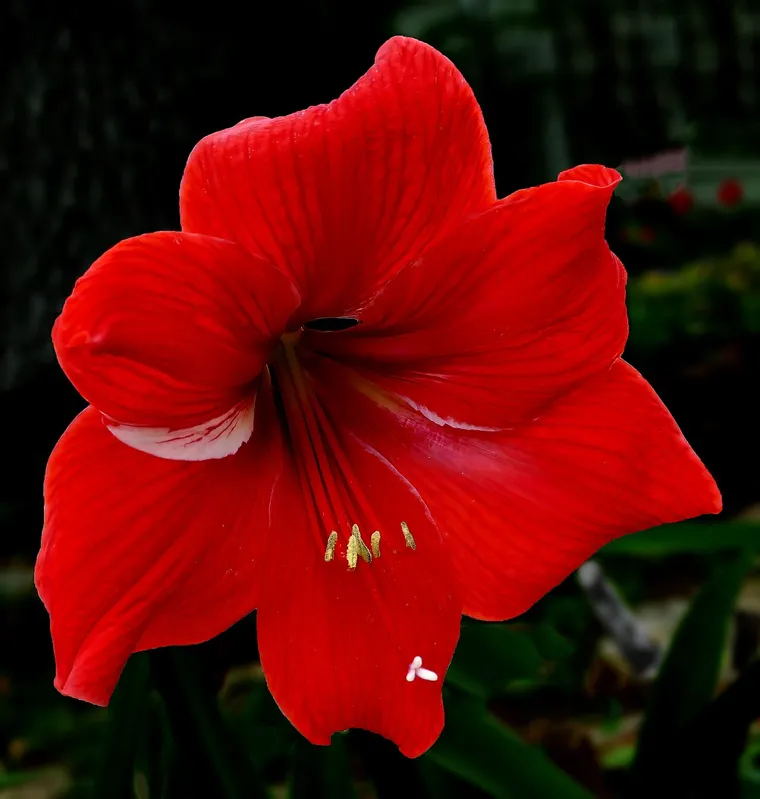

- Pick a big bulb. University of Minnesota Extension: “Select the largest bulbs available”, “as they will produce more stalks and blooms in the first year.”
- Pot size. UMN says to use a pot “about 1 inch wider than the widest part of the bulb and twice as tall as the bulb”, with drainage holes. Fill it half full with potting soil, set the bulb in, and add soil “until one-third to one-half of the bulb remains visible”. Water thoroughly, let it drain, and set it in a sunny window.
- Water lightly at first. UW–Madison Extension: “Water sparingly until a sprout forms, then water more frequently to keep the soil moist. It generally takes six to eight weeks for amaryllis to bloom.”
- Ongoing care. UMN: “Water the plant when the top 2 inches of soil feels dry”, and “Do not let the plant sit in water.” Fertilize “at half the recommended strength when new growth is visible”, following the product label.
- When the buds open. UMN: “Move the plant out of direct sunlight when the flower buds have begun to open.”
How to get an amaryllis to bloom again next year
- Keep it growing after bloom. UMN says to cut off faded flowers but “Do not remove the flower stalk until it has turned yellow”. When all danger of frost is past in spring, UMN moves the pot outdoors, easing it from shade into full sun for at least 6 hours a day. “Amaryllis plants should be brought indoors before the first frost in the fall.” See when to bring potted plants inside and look up your first frost date.
- A rest period: needed, or just for timing? Sources differ. UW–Madison: “To get an amaryllis to bloom again, it is important to allow the bulb to store food during its growing season and then give it a dry dormant period.” UMN says “amaryllis do not require a rest or dormant period. They will bloom again if allowed to continue to grow.” but that bloom time can be controlled with one.
- How to rest it. UMN stores the potted bulb in a cool, dry, dark place, with the temperature “around 50 to 60 degrees Fahrenheit”, and says to “Leave the potted bulb in the dark for 8 to 12 weeks. Do not water during this time.” Then move it to a sunny window and resume watering. UMN: “Flowers usually develop in about 4 to 6 weeks from dormant bulbs.”
Can you plant amaryllis outside?
In warm zones, yes. NC State Extension: “Note that plants are injured at temperatures below 35 degrees F. They can, however, survive the winter outdoors in zones 7 and 8 if properly mulched. In zones below 7, amaryllis bulbs are grown as houseplants”. In North Florida, UF/IFAS lists amaryllis among the bulbs to plant in November: see what to plant in zone 9. Paperwhites are outdoor bulbs only in warm areas too. Illinois Extension: “Paperwhites are native to the Mediterranean and as a result are tender bulbs.”
Are amaryllis poisonous to cats and dogs?
Yes. NC State Extension lists Hippeastrum as “Problem for Cats” and “Problem for Dogs”, with a poison severity of medium: “Bulbs are the most poisonous part. Especially harmful to pets.” Keep bulbs and plants where pets can’t chew them.
More guides
All flower and bulb guides Holiday plants care: poinsettia and Christmas cactus When to plant tulip and daffodil bulbs Dig and store dahlias and cannas Zone 9 planting When to bring potted plants inside ZIP planner
Frequently asked questions
When should I plant paperwhites for Christmas?
About Nov. 20 to Dec. 4. UW–Madison Extension says paperwhites bloom in 3 to 5 weeks, so count back that far from Dec. 25. Cornell’s Flower Bulb Research Program says the flowers usually open within 2 to 3 weeks, so later in that window is fine if yours run fast.
When should I plant amaryllis for Christmas?
About Oct. 30 to Nov. 13. UW–Madison Extension says amaryllis can bloom in 6 to 8 weeks, so count back that far from Dec. 25. NC State Extension gives a shorter figure, about five weeks.
Do paperwhites need cold or dark to bloom?
They need no cold treatment (UW–Madison and Illinois Extension). UW–Madison does suggest starting them in a cool, dark spot at 45 to 50°F for about three weeks while roots grow, then moving them to a cool, sunny spot.
Can you grow paperwhites in just water and rocks?
Yes. Fill the container with pebbles or gravel, set the bulbs on top, and add water only until it reaches the bottoms of the bulbs. Illinois Extension says only the basal plate, where the roots start, should be in water; UW–Madison says bulbs touching the water will rot.
Why are my paperwhites falling over?
Forced paperwhites often grow tall and flop. Cornell’s Flower Bulb Research Program found that replacing the water with a 4 to 6% alcohol solution, about a week after planting once the shoot is 1 to 2 inches tall, makes plants about a third shorter with flowers just as large. Use distilled spirits or rubbing alcohol, not beer or wine. Staking works too (UW–Madison).
Can I plant amaryllis outside?
Only in warm areas. NC State Extension says amaryllis are injured below 35°F but can survive the winter outdoors in zones 7 and 8 if properly mulched. In colder zones they are grown as houseplants.
Sources
- University of Wisconsin–Madison Extension: Forcing Bulbs (Wisconsin Horticulture)
- Cornell Flower Bulb Research Program: Pickling your Paperwhites
- NC State Extension: Hippeastrum (Amaryllis)
- University of Illinois Extension: Forcing paperwhites for holiday decor
- University of Minnesota Extension: Growing and caring for amaryllis
- Cornell Chronicle: Tipsy flowers don’t tip over, Cornell research shows