
Wild Garlic vs Wild Onion: How to Tell Them Apart and Get Rid of Them in Your Lawn
Quick answer
Wild garlic (Allium vineale) has round, hollow leaves; wild onion (Allium canadense) has flat, solid leaves. Both smell of onion or garlic when crushed, and both are controlled the same way. Dig out small clumps with the bulbs and surrounding soil instead of pulling. In lawns, spray a lawn-labeled post-emergent such as a 2,4-D + MCPP + dicamba product with a non-ionic surfactant, in fall after new shoots appear and again in early spring, and repeat for more than one season. Pre-emergents don’t control them.
Jump to
Updated
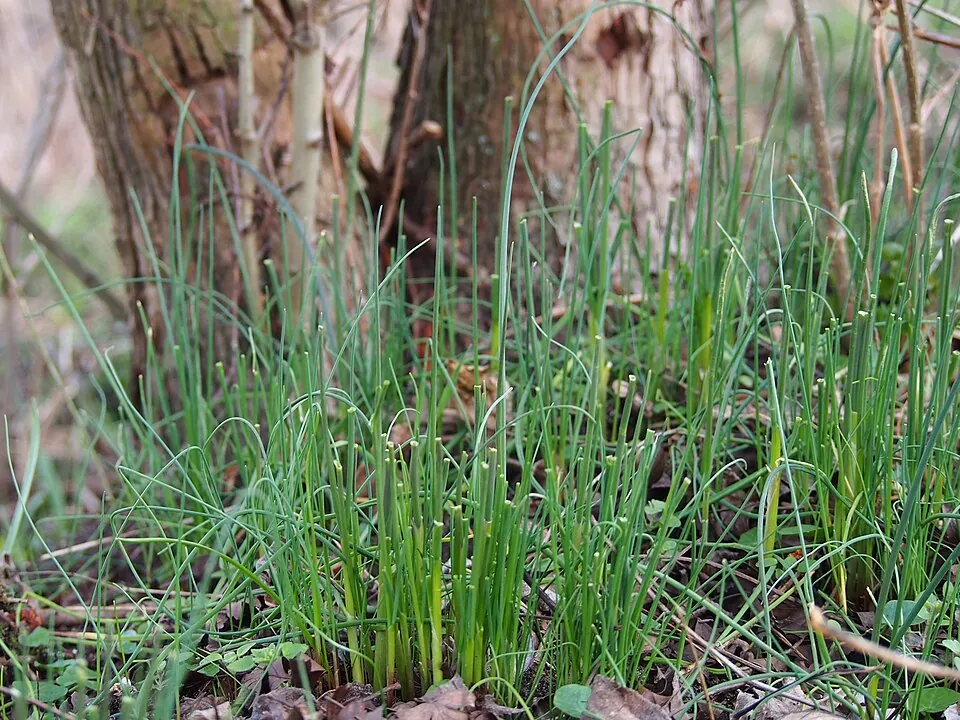

Wild garlic and wild onion, often lumped together as “onion grass,” are the grassy clumps that shoot up above a dormant lawn in fall, winter and early spring and smell of onion or garlic when crushed. They are two different plants, but they’re controlled the same way. Here’s how to tell them apart, why pulling rarely works, and when spraying does, from university extension guides.
Jump to: How to tell them apart Why they show up now Digging and mowing Herbicides that work When to spray
Wild garlic vs wild onion: how to tell them apart
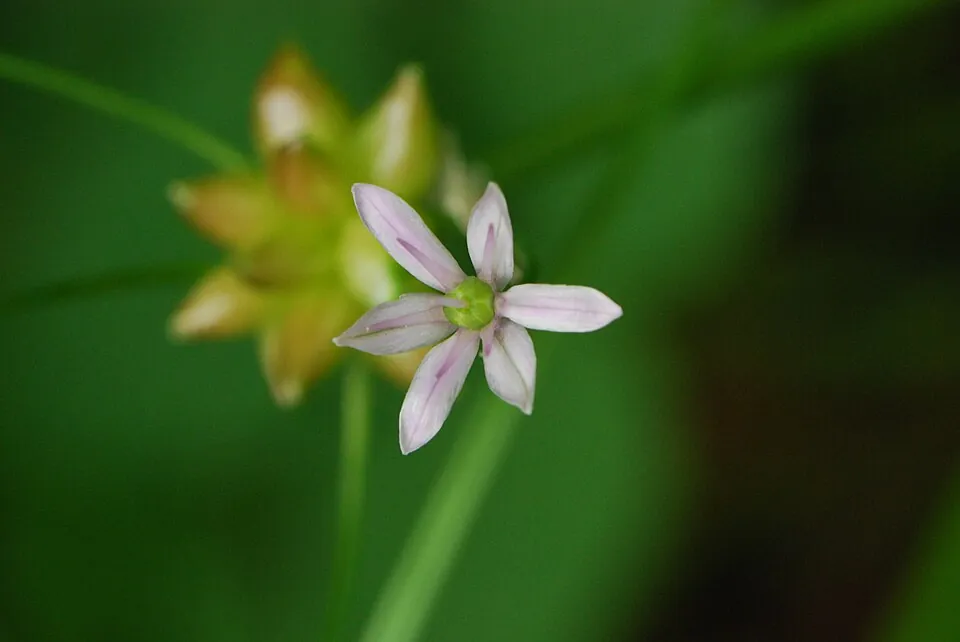
- Check the leaves. Clemson: “Both species have thin, green, waxy leaves, but wild garlic leaves are round and hollow, while those of wild onion are flat and solid.” Penn State: “The leaves of garlic are smooth, round and hollow; while onion leaves are flat and not hollow. Foliage of either emits a strong odor when crushed.” (Clemson HGIC; Penn State Extension; University of Maryland Extension)
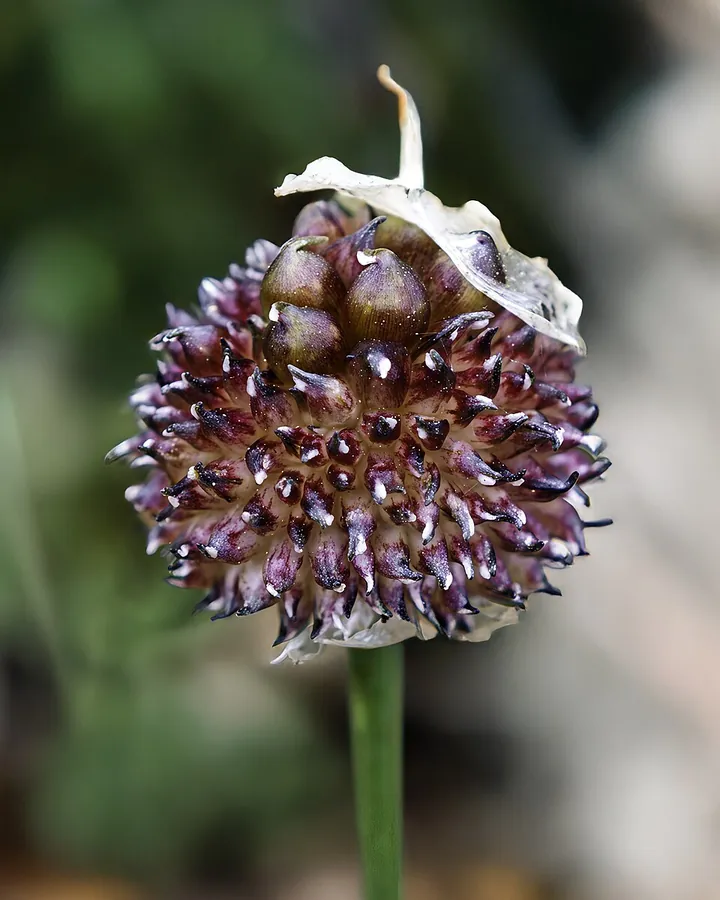
- Check the bulb. “Wild garlic bulbs have a membranous papery coating whereas wild onion has a fibrous reticulate coating.” (K-State)
- From a distance you can’t tell. Mississippi State says the two “are almost indistinguishable from a distance. When crushed, both wild garlic and onion release a distinctive “garlicky” or “alliaceous” odor.” (Mississippi State)
- Our tip, based on those leaf descriptions: snap off a leaf and look at the cut end. A hollow tube points to wild garlic; a flat, solid blade points to wild onion.
| Feature | Wild garlic (Allium vineale) | Wild onion (Allium canadense) |
|---|---|---|
| Leaves | “round and hollow” | “flat and solid” |
| Bulb coat | “membranous papery coating” | “fibrous reticulate coating” |
| Smell when crushed | Strong odor | Strong odor |
| Status in the lower 48 states | Introduced (USDA PLANTS) | Native, listed as “meadow garlic” (USDA PLANTS) |
About this table: Leaf and bulb features from Clemson HGIC, Penn State Extension and K-State; native status from the USDA PLANTS Database. We don’t list states because the sources we checked don’t give a state-by-state range.


Why wild garlic and wild onion show up in fall
- Clemson: “They emerge in late fall from underground bulbs and grow through the winter and spring. In late spring, aerial bulblets are formed, and the plants die back in early summer. The underground bulbs can persist in the soil for several years.”
- “Wild garlic produces three different types of underground bulbs that may develop into new plants.” Penn State: “Some of the underground bulblets germinate in the fall, while the hard ones germinate in the spring.”
- They stand out because they “are actively growing before turfgrasses have broken their winter dormancy” and “are most objectionable in warm-season dormant turfs.” (K-State)
- Iowa State: “Foliage typically dies back by early summer and is not visible for the remainder of the growing season.” (Iowa State)
How to get rid of wild onions and wild garlic without chemicals
- Dig, don’t pull. Pulling usually snaps the leaves off and leaves the bulblets in the ground to regrow (Penn State). Iowa State says to “remove the clump and surrounding soil with a hand trowel or soil knife, then discard the plants, bulbs, and soil.” “Follow behind with a bag of topsoil to fill in the holes and overseed if necessary.”
- Dig when the soil is moist. Clemson: “When the soil is moist, it is easier to pull up large groups of bulbs.” “For best results, dig them out with a thin trowel.”
- In vegetable gardens: “Fall tillage in vegetable gardens will reduce infestations of wild garlic.” (Clemson HGIC)
- Mowing slows it but won’t kill it. “Mowing will not kill wild garlic or wild onions. However, regular mowing can weaken plants and prevent bulbs from producing bulblets that will develop into new plants.” (Clemson HGIC)
- Thicken the lawn. “A healthy stand of turf can prevent these weeds from establishing.” (Iowa State) Clemson says of wild garlic: “Its weakness is its poor ability to withstand competition.” (Clemson HGIC) For fall seeding, see is it too late to plant grass seed.
- Or live with it. Penn State says ignoring it is an option, since the foliage is mainly an early-season eyesore and, “with natural senescence and mowing,” goes away (Penn State Extension).
Herbicides that kill wild garlic and wild onion in lawns
- Pre-emergents don’t work. Clemson: “Unfortunately, there are no preemergence herbicides that will control wild onion or wild garlic.” Penn State: “There are no pre-emergent herbicides to use against these plants.” That’s why a fall pre-emergent won’t stop them.
- Post-emergent options (active ingredients). Penn State lists “2,4-D + MCPP + dicamba; metsulfuron (turfgrass use only); sulfentrazone + metsulfuron (turfgrass use only); sulfosulfuron (turfgrass use only); or glyphosate.” Clemson says three-way products with 2,4-D, dicamba and mecoprop (MCPP) “will control wild garlic and wild onion with repeat applications” in both cool- and warm-season lawns, and lists imazaquin for bermudagrass, zoysiagrass and centipedegrass lawns (Clemson HGIC).
- Add a surfactant. Both plants “have a thin, waxy covering or cuticle on the outside of their leaves, preventing herbicides from sticking.” Clemson and K-State recommend a non-ionic surfactant, and Mississippi State says some of these lawn herbicides “must be applied in combination with a nonionic surfactant to obtain satisfactory control.” (Mississippi State)
- Mow first, then wait. “Unlike other weeds, mowing wild garlic or wild onion immediately before applying an herbicide may improve herbicide uptake. After application, do not mow for at least two weeks.” (Clemson HGIC)
- Glyphosate kills grass too. Iowa State says non-selective herbicides “should be applied as a spot treatment as it will also kill surrounding turf.” K-State mentions glyphosate before spring green-up in warm-season lawns such as zoysiagrass: “This practice is not recommended for cool-season grasses.”
- Protect trees and sensitive grasses. University of Maryland: “Do not spray herbicides containing dicamba over the root zone of trees and shrubs.” (University of Maryland Extension) Mississippi State: “Carpetgrass, Centipedegrass, Seashore Paspalum, and St. Augustinegrass are more susceptible to herbicide injury than Bermuda and zoysia grasses.”
- Plan on repeats. Iowa State: “All herbicides will require multiple applications to fully kill the weed.” Clemson: “Spray plants more than once and for more than one season.”
- Use only products labeled for lawns and for your grass type, as the label directs.
When to spray wild garlic and wild onion
The rule: spray in fall after new shoots appear, and again in early spring before the plants make new bulbs. Clemson: “Treat wild garlic and wild onion in the fall after new shoots have emerged and again in early spring (February or early March) before these plants can produce the next generation of bulbs.” The February to early March dates are South Carolina timing from Clemson.
- Pick a mild day. Mississippi State: “Days when temperatures are below 55 degrees may delay weed control. Days when temperatures are greater than 85 degrees may enhance turfgrass injury”, and “most labels encourage use at temperatures between 55 and 80 degrees.” (Mississippi State)
- Spring in warm-season lawns: “Do not apply herbicides when warm-season turf such as centipedegrass or St. Augustinegrass lawns come out of winter dormancy and begin to green up in the spring.” (Clemson HGIC)
- Spring in other lawns: K-State says products with 2,4-D, MCPP and/or dicamba “can be applied during early to mid-spring.” (K-State)
- Check your work. Clemson suggests inspecting the lawn “again in the fall and the following spring and retreat if necessary.”
- No source we use ties these windows to frost dates or USDA zones, so we don’t give zone dates here. In short: spray after shoots appear in fall, on a day in the 55–80°F range. For local frost dates and what to plant now, enter your ZIP in the planner.
More weed guides
Fall lawn weed control Fall pre-emergent Nutsedge Annual bluegrass Preventing weeds in flower beds Weed identification guide
Frequently asked questions
Is wild garlic the same as wild onion?
No. They are different species: wild garlic is Allium vineale and wild onion is Allium canadense. Wild garlic leaves are round and hollow, while wild onion leaves are flat and solid (Clemson, Penn State). Both smell of onion or garlic when crushed, and both are controlled the same way.
What is onion grass in my lawn?
“Onion grass” usually means wild onion or wild garlic: Iowa State Extension’s answer to “How do I control onion grass in my lawn?” covers both. They are perennials that emerge in late fall from underground bulbs, grow through winter and spring, and die back in early summer (Clemson).
How do I get rid of wild onions in my lawn?
Dig out small patches with a trowel, taking the clump, bulbs and surrounding soil, then fill the holes with topsoil and overseed (Iowa State). For larger areas, spray a lawn-labeled post-emergent herbicide such as a 2,4-D + MCPP + dicamba product with a non-ionic surfactant, in fall after new shoots emerge and again in early spring, and expect to repeat for more than one season (Clemson, Penn State).
Is it too late to spray wild garlic in the fall?
No. Clemson recommends treating in the fall after new shoots have emerged, then again in early spring before the plants form new bulbs. Mississippi State says most labels encourage spraying on days between 55 and 80 degrees.
Can I use a pre-emergent on wild garlic or wild onion?
No. Clemson and Penn State both say there are no pre-emergent herbicides that control wild onion or wild garlic.
Why won’t wild garlic die?
Its leaves have a waxy coating that keeps herbicides from sticking, and it makes several types of underground bulbs that can persist in the soil for several years (Clemson). Use a non-ionic surfactant, mow just before spraying, and repeat treatments in fall and spring.
Does mowing kill wild onions?
No. Clemson says mowing will not kill wild garlic or wild onions, but regular mowing can weaken plants and keep them from producing new bulblets.
Can I just pull wild onions out?
Pulling usually fails because the leaves break and the bulbs stay in the ground (Penn State, Iowa State). Dig the clump out with the surrounding soil instead, ideally when the soil is moist (Iowa State, Clemson).
Sources
- Clemson Cooperative Extension: Wild Garlic & Wild Onion (HGIC 2311); Weed of the Month: Wild Garlic
- Penn State Extension: Wild Onion and Wild Garlic
- University of Maryland Extension: Wild Garlic or Wild Onions
- Kansas State University Research and Extension: Wild Onion and Garlic (Lawn Problem Solver)
- Mississippi State University Extension: Controlling Wild Garlic in Mississippi Lawns
- USDA PLANTS Database: Plant Profile: Allium vineale L., wild garlic; Plant Profile: Allium canadense L., meadow garlic
- Iowa State University Extension: How do I control onion grass in my lawn?
Organic options Growing without synthetic sprays? See our organic gardening guides: pest control and fertilizer.