
How to Grow Dill: Planting, Spacing, Care & Harvest
Quick answer
Sow dill about 1 to 2 weeks before the last hard frost, about ¼ inch deep (NC State). Thin to about 9 inches apart in rows about 12 inches apart (USU). Succession sow every few weeks. Do not spray insecticides on herbs (UMD); leave black swallowtail caterpillars.
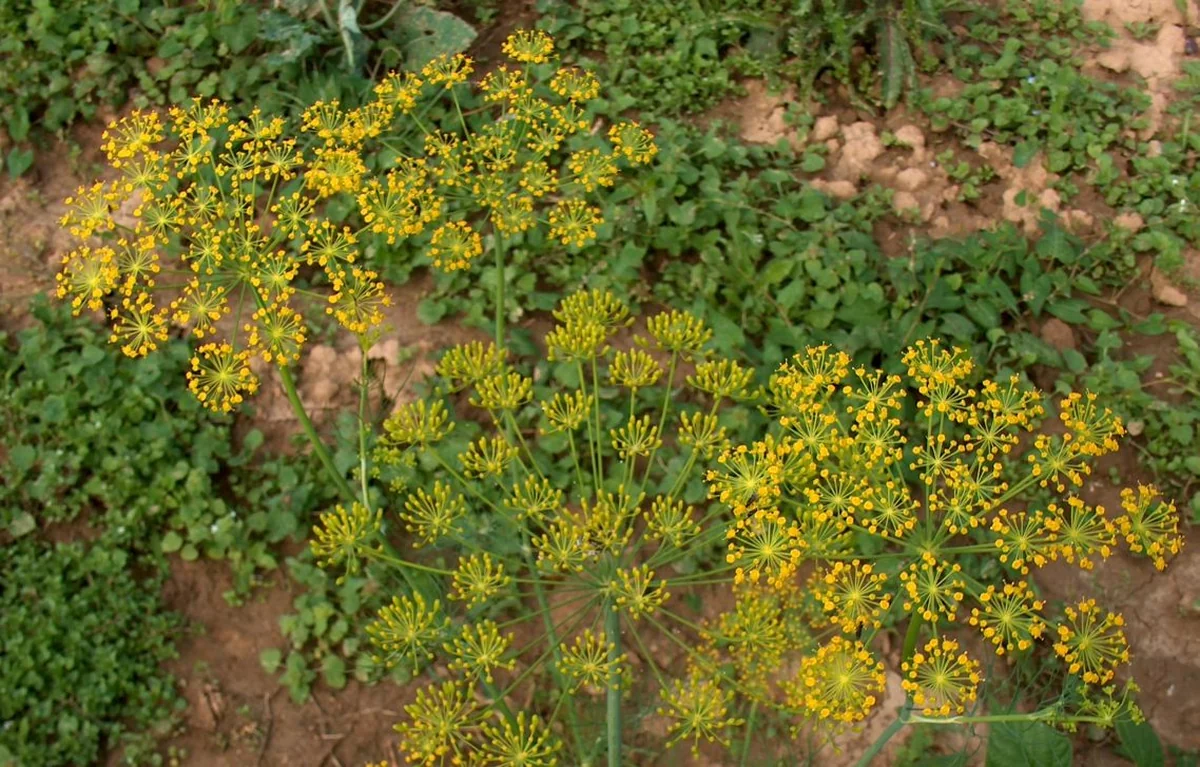

Dill at a glance


Weeks relative to last frost (LF). Colored weeks show when our ZIP planner schedules each step.
Jump to
Updated
Planting dates for your ZIP: the ZIP planting planner counts each window from your local frost dates.
Organic pests and diseases: see also organic pest control. Use any product as the label directs.
Herbs: University of Maryland Extension says do not spray insecticides on herbs.
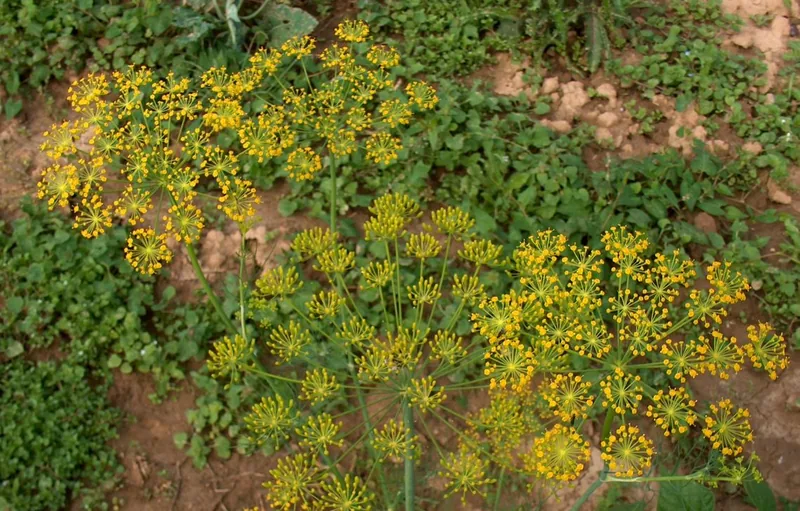
Planting timing
NC State: “Plant dill seeds in early spring, a week or two before the last hard frost date, about ¼ inches deep as they need light to germinate. Plant every 2 or 4 weeks… Because of its long taproot, dill is a poor candidate for transplant.” (NC State) USU: spring and late summer for a fall harvest; sow every 4 to 6 weeks for continuous dill weed (Utah State Extension). Planner rule last frost −2 to −1 weeks matches NC State.
NC State: about 1 to 2 weeks before the last hard frost.
Depth and spacing
NC State: about ¼ inch deep. USU: cover seeds lightly; thin to 9 inches apart; rows 12 inches apart. Succession: NC State every 2 or 4 weeks; USU every 4 to 6 weeks — show both.
Sun, soil and water
NC State: full sun (6+ hours) to partial shade; well-drained; consistent watering helps prevent bolting. USU: full sun; low to moderate fertility; pH about 5.5–6.5; one or two irrigations per week once established. Compost: no more than 1 inch well-composted organic matter per 100 square feet if used (USU). No synthetic NPK rates.
Care
Direct sow — poor transplant candidate (NC State). USU: prune for bushy growth; self-seeds readily and can become weedy. NC State companion note: too close to carrot can reduce yield; good companion for cucumber and broccoli — do not invent other companion claims.
Harvest
Leaves anytime after seedlings emerge (USU); best flavor when flowers begin to open (USU; NC State). Seeds: harvest after flower heads turn brown (USU) or golden brown (NC State). Harvest generally 6–8 weeks after sowing (USU).
Pests and diseases (organic)
Aphids: NC State / USU note aphids can appear as plants flower. UMD: “Do not spray insecticides on herbs” (UMD Extension). Prefer strong water spray and beneficial insects.
Black swallowtail / parsley worm: leave them on the plants (USU); plant extra dill if sharing with butterflies.
Diseases: overwatering favors powdery mildew (USU); good drainage; no serious baseline insect/disease problems (NC State).
Related: organic pest control · ZIP planner
Frequently asked questions
When do I plant dill?
Early spring about 1–2 weeks before the last hard frost (NC State); succession sow every few weeks. USU also allows late-summer sow for fall harvest by zone.
How deep and how far apart?
About ¼ inch deep (NC State). Thin to about 9 inches apart in rows about 12 inches apart (USU).
Why did my dill bolt?
Heat stress and overcrowding promote bolting (USU). Thin, water consistently (NC State), and succession plant.
Can I spray aphids on dill?
UMD: do not spray insecticides on herbs. Prefer water sprays and beneficial insects; leave swallowtail caterpillars.
More grow guides: Carrots · Strawberries · Shallots · Raspberries · Spinach · Sweet Corn · Beets · Bok Choy · Brussels Sprouts · Collards · All grow guides
Sources
- NC State Extension: Anethum graveolens
- Utah State University Extension: Utah State Extension
- University of Maryland Extension: UMD Extension