
How to Grow Shallots: Planting, Spacing, Care & Harvest
Quick answer
Shallots multiply from one set into a cluster. Plant in fall in mild-winter and southern gardens (Clemson), or in early spring — or after the first frost with mulch in cold zones (USU). Space sets about 3 to 6 inches (USU) or 6 to 8 inches (Clemson), 1 to 2 inches deep, and do not hill soil over developing bulbs.
Shallots at a glance


Weeks relative to last frost (LF). Colored weeks show when our ZIP planner schedules each step.
Jump to
Updated
Planting dates for your ZIP: the ZIP planting planner counts each window from your local frost dates.
Organic pests and diseases: see also organic pest control. Use any product as the label directs.
Not the same as bulb onions. Shallots are aggregating multipliers. Day-length bulbing classes belong on when to plant onions, not here.
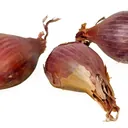

What makes shallots different
Clemson: shallots “have a mild, delicate but distinctive flavor and can either be grown for use as green onions or for the clusters of small bulbs that are used like garlic or onions.” (Clemson HGIC) USU: “Bulbs planted in high density will yield one shallot per bulb planted, while wider spacing may produce clusters of 10–15 bulbs.” (Utah State Extension) Clemson: “Shallot bulbs often develop on top of the ground. Do not cover them with soil.”
Planting timing by region
South / mild winter (Clemson): “Shallots and garlic both grow best from a fall planting.” “Bulbs are planted in fall for winter and spring harvest.” Cooler climates (USU): plant sets or seed “in the early spring as soon as the ground can be worked.” Also: “Shallots sets can be planted in autumn after the first frost for a late spring harvest. Very cold winters can cause yield reduction. If planting fall bulbs in zones 4 or 5, protect plants with a frost cloth covering or apply mulch to minimize winter damage.” Sonoma County UC Master Gardeners (UC ANR): plant in late fall or early spring in full sun (UC ANR / Sonoma MG). Clemson leads with fall; USU leads with early spring and treats fall as optional with winter protection — present by region.
Depth and spacing
Clemson: “Space shallots about 6 to 8 inches apart within the row, and plant the individual sets 1 to 2 inches deep. Keep the soil moist to encourage sprouting.” USU: sets “1–2 inches deep and 3–6 inches apart” in rows 12–18 inches apart; seed 1/4 to 1/2 inch deep, thin to 2–4 inches. Sonoma MG: pointed tip up, 1 to 2 inches deep and 3 to 6 inches apart. Conflict: Clemson 6–8 inches in-row vs USU/Sonoma 3–6 inches — show each.
Sun, soil and water
Full sun (Clemson; USU; Sonoma MG). USU soil: rich in organic matter, well drained; pH 5.5 to 7.5. Water: moisten thoroughly to 8–12 inches; drought stress cuts yield; overwatering contributes to bulb rot (USU). Compost: apply no more than 1 inch of well-composted organic matter per 100 square feet (USU). Do not print synthetic fertilizer rates. Stop late-season nitrogen that reduces storage potential (USU).
Harvest and storage
Green use: Clemson “Shallots can be harvested for use as green onions 60 days after planting.”; USU tops 6–8 inches tall, or roughly 50–60 days. Dry bulbs: Clemson “in the late spring after the tops have died down completely”; “Cure bulbs in a warm, dry place for about a week.” USU: cure 1–2 weeks until skins are papery; store in mesh bags at 32°F–40°F, dry. Clemson: “Replant the smaller bulbs or use them first since they do not keep well. Green shallots can be stored in the refrigerator for up to two weeks.”
Pests and diseases (organic)
Onion maggot: prevention — avoid manure-heavy beds, row cover, transplants, sanitation (UC IPM). Destroy infected plants; rotate (USU cultural; omit insecticide-at-planting spray steps).
Thrips: leaves turn silver or grey (USU); overhead irrigation or rain suppress numbers (UC IPM thrips); compost, mulches, stiff water spray (USU). Labeled organic options exist — follow the label; no rate table here.
Leaf-mining larvae: USU table row labeled “Aphids” describes yellow cylindrical maggots that bore between leaf surfaces — that is leafminer biology, not aphids. Treat as leaf-mining fly damage; remove weeds and affected foliage (USU).
Botrytis and downy mildew: avoid overwatering, night watering and wetting foliage; do not crowd; rotate (USU). Clemson: “Shallots are subject to the same problems as are onions.” See the pests section on when to plant onions for shared allium pests.
Related: when to plant onions · when to plant garlic · how to grow garlic · organic pest control · ZIP planner
Frequently asked questions
Can I plant shallots in fall?
Yes in mild-winter and southern gardens (Clemson; Sonoma MG). In cold zones, USU allows fall planting after first frost with mulch or frost cloth; expect possible yield loss in very cold winters.
How far apart do I plant shallot sets?
About 3 to 6 inches (USU; Sonoma MG) or 6 to 8 inches (Clemson). Wider spacing favors larger clusters (USU).
When are dry shallots ready?
When tops have died down or fallen over; cure until skins are papery (Clemson; USU).
Do shallots need short-day vs long-day varieties like onions?
Not covered that way in the shallot extension pages used here. Keep day-length guidance on the onion page; this page is about multiplying sets into clusters.
More grow guides: Carrots · Strawberries · Raspberries · Spinach · Sweet Corn · Beets · Dill · Bok Choy · Brussels Sprouts · Collards · All grow guides
Sources
- Clemson Cooperative Extension: Onion, Leek, Shallot & Garlic
- Utah State University Extension: Utah State Extension
- University of California Agriculture and Natural Resources (UC ANR): UC ANR / Sonoma MG; Onion maggot; UC IPM thrips