
How to Grow Raspberries: Planting, Spacing, Care & Harvest
Quick answer
Plant bare-root raspberries as soon as the soil can be worked in spring, and potted transplants after frost risk is past (UMN; OSU). Keep crowns near the soil line (sources differ on above vs below — see spacing), give full sun and excellent drainage, and prune by type: remove fruited floricanes after harvest, or mow all canes for a fall-only primocane crop.
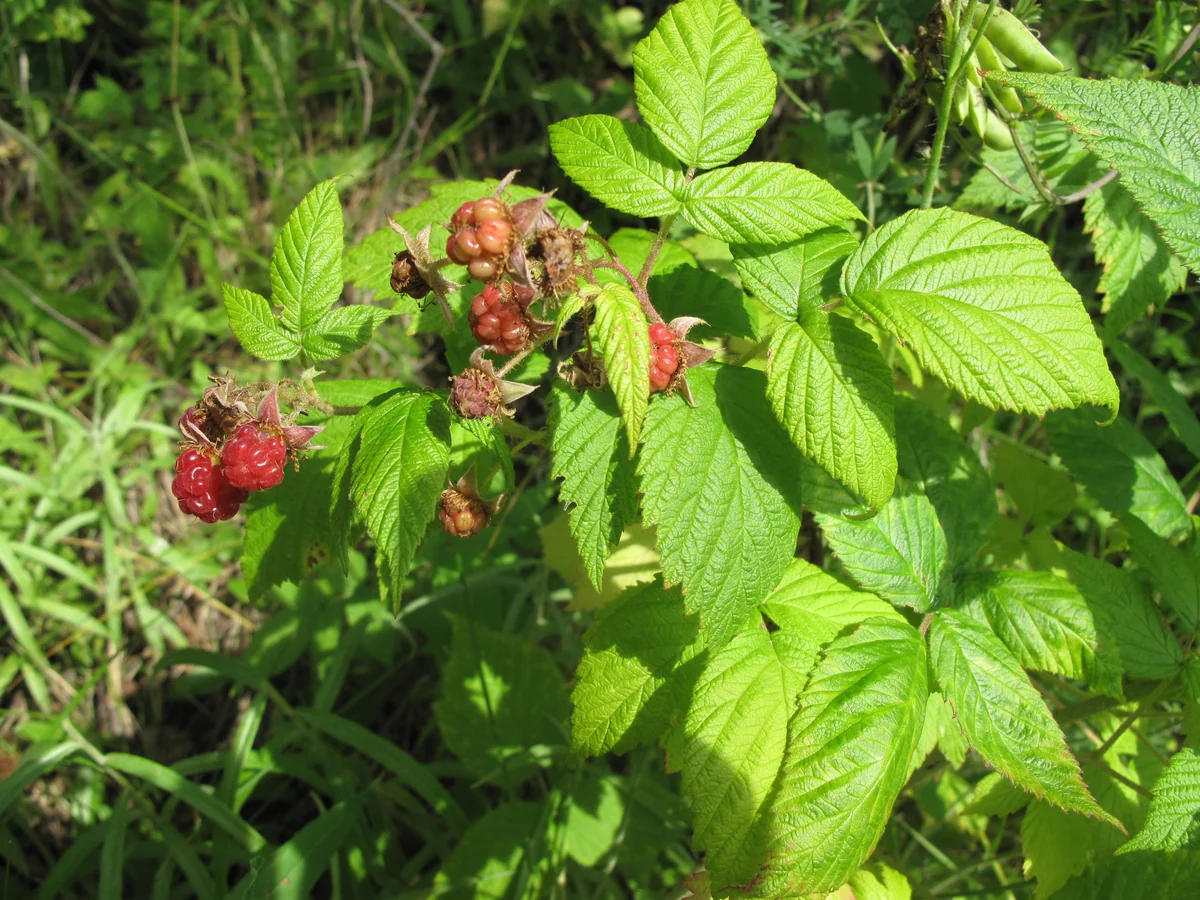

Raspberries at a glance


Weeks relative to last frost (LF). Colored weeks show when our ZIP planner schedules each step.
Jump to
Updated
Planting dates for your ZIP: the ZIP planting planner counts each window from your local frost dates.
Organic pests and diseases: see also organic pest control. Use any product as the label directs.
Types: primocanes and floricanes
UMN: canes are biennial while roots and crowns are perennial. Primocanes are first-year canes; floricanes are second-year canes that fruit then die. Summer-bearing types fruit on floricanes; fall-/primocane-bearing (everbearing) fruit on first-year tips (and optionally a second summer crop on the cane base) (UMN Extension). OSU EC 1306 uses the same framing; red/yellow plants sucker from roots and spread; black/purple stay in hills (OSU Extension).
Planting timing
UMN: bare-root “as soon as the soil can be worked”; potted transplants “after the threat of frost has passed.” OSU: plant “as early as you can work the soil in spring.” Prefer frost-passed language for potted stock; bare-root can go earlier when soil is workable.
Depth and spacing
UMN: keep the crown 1 or 2 inches above the ground. Space red/yellow every 2 to 3 feet (trellis-row detail also says 18 to 24 inches); keep the fruiting row no wider than about 12 inches. Black and purple: 4 feet apart in hills.
OSU: set bare-root so the highest root-to-cane attachment is 1 to 2 inches below the soil; hedgerow rows 8 to 10 feet apart; plants 2 feet (everbearing) to 2.5 feet (summer-bearing); black/purple 3 to 4 feet. Conflict on crown depth (UMN above vs OSU below) and in-row spacing.
Sun, soil and water
Full sun for best fruit (UMN; OSU). Drainage is critical: Phytophthora crown/root rot thrives in wet soils (UMN). OSU: avoid sites where verticillium hosts (strawberry, tomato, potato, pepper, eggplant, maple) grew in the past five years for blackcaps especially. Water: UMN 1 to 1.5 inches per week from flowering until harvest; OSU similar once established; drip preferred. Mulch 2–3 inches (UMN); do not bury the crown (OSU). Trellis all types.
Pruning summary
Summer-bearing red/yellow (UMN): after harvest cut fruited canes to the ground; thin to about 4 to 5 sturdy canes per foot of row; before spring growth tip canes about 12 inches above the support (do not remove more than about 25% of cane length). Fall-only primocane crop (UMN; OSU): cut all canes to the ground before spring growth. Double crop on everbearers: keep canes that fruited at the tip; remove only dead tip nodes in winter/spring. Black/purple: tip primocanes when 24–30 inches (UMN) / tip to about 3 feet by removing top 3–6 inches (OSU); after harvest remove fruited canes; in spring shorten laterals to 12–18 inches (UMN) or 1.5–2.5 feet (OSU) and keep about 4–5 canes per hill (UMN). Lateral-length sources differ — show both.
Harvest
Ready when color is full, fruit is plump, and berries release easily with a gentle pull (UMN; OSU). Pick every few days into shallow containers; refrigerate promptly; do not wash until eating (UMN). Yield starts about a year after planting (UMN).
Pests and diseases (organic)
Fruit insects: spotted wing drosophila — pick often; destroy infested fruit; fine exclusion netting where pressure is high (UMN; OSU). Sap beetles, multicolored Asian lady beetle, yellowjackets: pick regularly (UMN). Japanese beetles on foliage: hand-remove when practical (UMN).
Diseases: gray mold — narrow rows, weed control, thinning, full sun and air flow; remove moldy fruit (UMN; OSU). Phytophthora crown/root rot — well-drained or raised beds; do not overwater. Cane blight / spur blight / anthracnose — certified plants; remove fruited/weak canes; improve air flow (UMN). Viruses: no cure — buy certified disease-free stock; destroy infected plants (UMN). Verticillium wilt (especially black raspberry): rotate away from solanaceous/strawberry hosts (OSU).
Related: organic pest control · ZIP planner · blackberries
Frequently asked questions
When do I plant raspberries?
Early spring when soil can be worked for bare-root; after frost risk for potted transplants (UMN; OSU).
Floricane vs primocane — which do I prune how?
Summer crop on second-year wood: remove fruited canes after harvest. Fall-only crop: mow all canes before spring growth (UMN; OSU).
Why is drainage so important?
Phytophthora crown/root rot thrives in wet soils and kills canes from the crown (UMN; OSU).
More grow guides: Carrots · Strawberries · Shallots · Spinach · Sweet Corn · Beets · Dill · Bok Choy · Brussels Sprouts · Collards · All grow guides
Growing blueberries (small fruit)
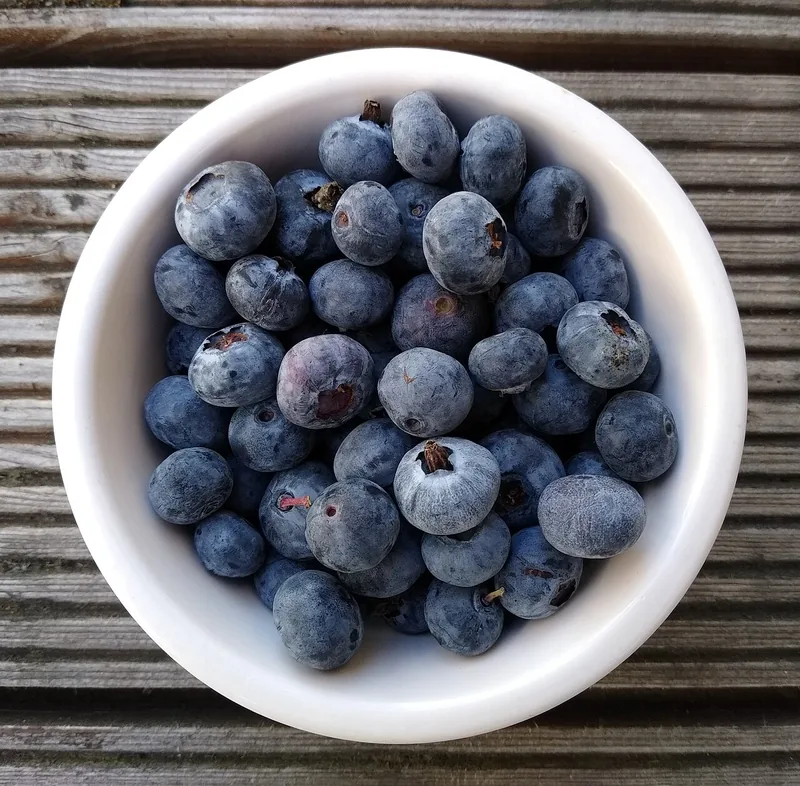

Plant blueberries in early spring when the soil can be worked (UMN bare-root ship timing; Clemson late winter February–March as soon as the soil can be worked). Fall soil prep with sulfur helps because pH changes take months. No weeks-before/after frost number is published for blueberry planting — do not invent one. (UMN; Clemson HGIC)
Site: full sun; acidic soil about pH 4.0–5.5 (UMN); well-drained, high organic matter. Plant at the same depth as the nursery container. Space southern highbush about 4–5 ft in the row and 8–10 ft between rows; rabbiteye about 6 ft / 10–12 ft (Clemson). Plant two or more varieties for pollination (UMN; Clemson).
Birds (organic): Clemson calls plastic or cloth netting over bushes or on a frame the only practical bird control. Harvest promptly; prune out dead wood in the dormant season. Fertilizer rates are omitted here — blueberries are easily damaged by excess fertilizer (Clemson).
Sources
- University of Minnesota Extension: UMN Extension
- Oregon State University Extension: OSU Extension
- University of Minnesota Extension: Growing blueberries in the home garden
- Clemson Cooperative Extension: HGIC: Blueberry