
Winter Sowing: How to Start Seeds in Milk Jugs (and When)
Quick answer
Winter sowing means sowing seeds in clear, vented containers such as milk jugs and leaving them outside, so winter cold and moisture break the seeds’ dormancy (Penn State Extension). Sow perennials and hardy annuals from December to March, with January or February a common start; wait until March or April for tender annuals and warm-season vegetables (Penn State; Illinois Extension). Use 2 to 4 inches of seed-starting mix, drainage holes, no cap, and a sunny spot open to rain and snow.
Jump to
- What is winter sowing?
- When to start winter sowing
- Last frost dates by zone, for planting seedlings out
- What seeds can be winter sown?
- How to winter sow in milk jugs, step by step
- Other winter sowing containers
- Spring care: venting, watering and transplanting
- Winter sowing where winters are mild
- More guides
- Frequently asked questions
Updated
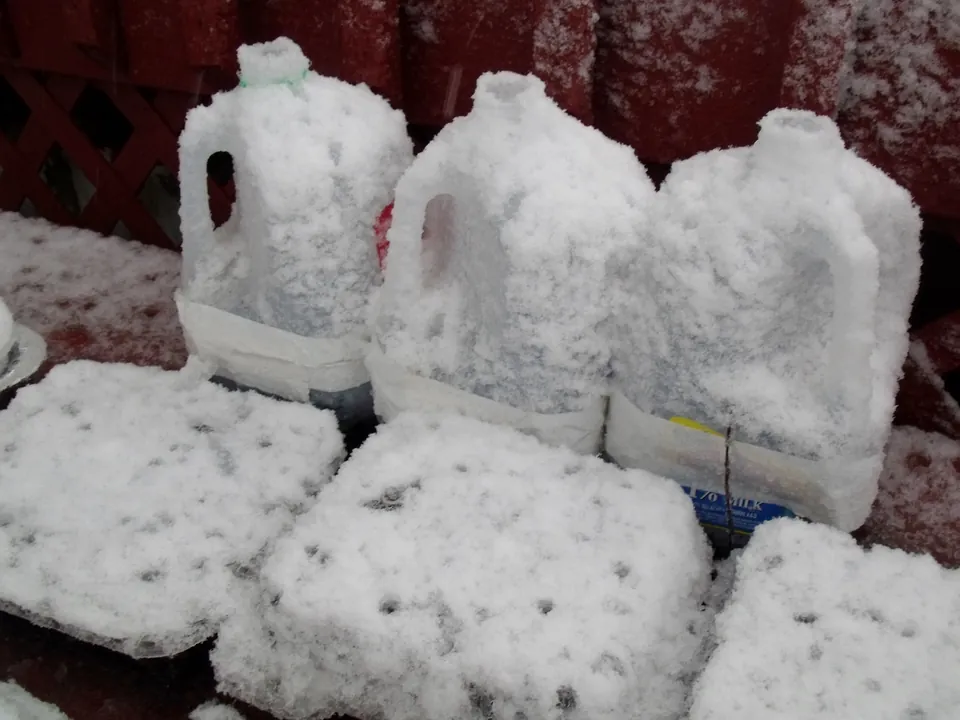

Winter sowing is a way to start seeds outdoors in winter, in clear containers such as milk jugs, so winter cold and moisture prepare the seeds to sprout, with no grow lights or heat mats needed indoors. It suits perennials and native wildflowers whose seeds need a cold period to sprout. Here is when to start, which seeds to sow, how to set up a jug and how to care for the seedlings in spring, from university extension guides.
Jump to: What it is When to start Frost dates by zone What seeds to sow How to set up a jug Other containers Spring care Mild winters
What is winter sowing?
Penn State Extension defines it as planting seeds outdoors in a container during the winter months; the container stays outside until seedlings come up in spring. The container keeps out animals and harsh weather, while the cold breaks the seeds’ dormancy. University of Missouri Extension compares the covered jug to a mini greenhouse.
The cold, moist period is called cold stratification. University of Minnesota Extension says the jugs “sit outside all winter, giving seeds the cold stratification they need to break dormancy”, with no indoor lights or heat mats needed. Illinois Extension adds that the seedlings harden off naturally and can be planted out once the soil is warm enough for them.
When to start winter sowing
No extension source gives a start date for each USDA zone. The sources give a calendar window instead, written for cold-winter states (Pennsylvania, Illinois, Minnesota, South Dakota and Missouri):
| What you’re sowing | When to sow outdoors | Source |
|---|---|---|
| Perennials and hardy annuals that need cold | December to March, depending on your weather | Penn State |
| Perennials that need cold stratification | Start in January; hardy annuals through March while nights stay chilly | University of Minnesota |
| Native perennials | December through February (as late as March in colder climates, with lower germination) | SDSU |
| Any winter sowing | Wait until January or February, so a warm spell doesn’t sprout seeds too early | Illinois |
| Cold-hardy annuals, perennials and vegetables | February through April, depending on climate and seed | SDSU |
| Tender annuals and warm-season vegetables | March or April (tomatoes, peppers, zucchini, cucumbers in April) | Penn State, Missouri |
Why not November? Illinois Extension says to “Wait to begin winter-sowing until January or February.” If a warm spell follows, seeds sown too early can sprout and then be too tender to survive the next cold snap. The University of Arkansas System Division of Agriculture describes setting pots of cold-needing perennial seed outdoors in late fall or winter, and Missouri lists cool-season annuals such as snapdragon, pansy and nasturtium to start in fall or winter. For milk jugs of perennials, the other guides start in December (Penn State, SDSU) or January (Illinois, Minnesota).
Seeds that need cold need enough of it: SDSU notes that native perennials sown as late as March may germinate less well if their required chilling time isn’t met.
Last frost dates by zone, for planting seedlings out
The sowing date is a calendar window, but the planting-out date follows your last spring frost. University of Maryland Extension transplants winter-sown seedlings after frost. For vegetables, NDSU Extension’s seed-starting chart sets broccoli, cabbage and kale transplants out about 3 weeks before the last frost, lettuce about 4 weeks before, and tomatoes and peppers about 2 weeks after. Typical last frost dates and those offsets:
| USDA zone | Typical last spring frost (32°F), median | Earlier to later locations (10th–90th percentile) | Cool-season seedlings out (3 weeks before) | Warm-season seedlings out (2 weeks after) |
|---|---|---|---|---|
| Zone 3 | May 17 | May 12 – May 30 | Apr 26 | May 31 |
| Zone 4 | May 10 | May 2 – May 26 | Apr 19 | May 24 |
| Zone 5 | May 3 | Apr 23 – May 21 | Apr 12 | May 17 |
| Zone 6 | Apr 26 | Apr 13 – May 10 | Apr 5 | May 10 |
| Zone 7 | Apr 11 | Apr 1 – Apr 26 | Mar 21 | Apr 25 |
| Zone 8 | Mar 24 | Mar 9 – Apr 7 | Mar 3 | Apr 7 |
| Zone 9 | Feb 24 | Jan 24 – Mar 16 | Feb 3 | Mar 10 |
| Zone 10 | Jan 24 where frost occurs (in 70% of zone 10 ZIP codes, the nearest station reaches 32°F in fewer than half of years) | — | — | — |
| Frost rare | — | — | — |
About this table: For each ZIP code we use the nearest NOAA NCEI 1991–2020 U.S. Climate Normals station’s 50%-probability last spring date for 32°F (half of years have a later frost), summarized by USDA zone across ZIP codes (median ZIP, plus the earliest and latest 10% of ZIPs). The two right columns are our calculation: the median minus 3 weeks and plus 2 weeks, using NDSU H1139’s set-out offsets. Source: NOAA NCEI U.S. Climate Normals. Enter your ZIP in the planner for the dates at your nearest NOAA station.
Zones 8 to 11: winters are short or mild, and none of the sources gives a winter-sowing schedule for them. Where winters don’t stay cold long enough, see the refrigerator method below.
What seeds can be winter sown?
The best candidates are seeds that need a cold period. Penn State Extension suggests checking the seed packet or catalog for words like “self-sows,” “reseeds,” “hardy seeds,” “sow outdoors in late autumn or early winter,” “needs pre-chilling” or “requires stratification.” SDSU Extension says cold stratification is usually shown as a germination code on the seed packet; a code such as C30 “means the seeds should be stratified at least 30 days before planting.”
| Group | Examples from extension lists | Source |
|---|---|---|
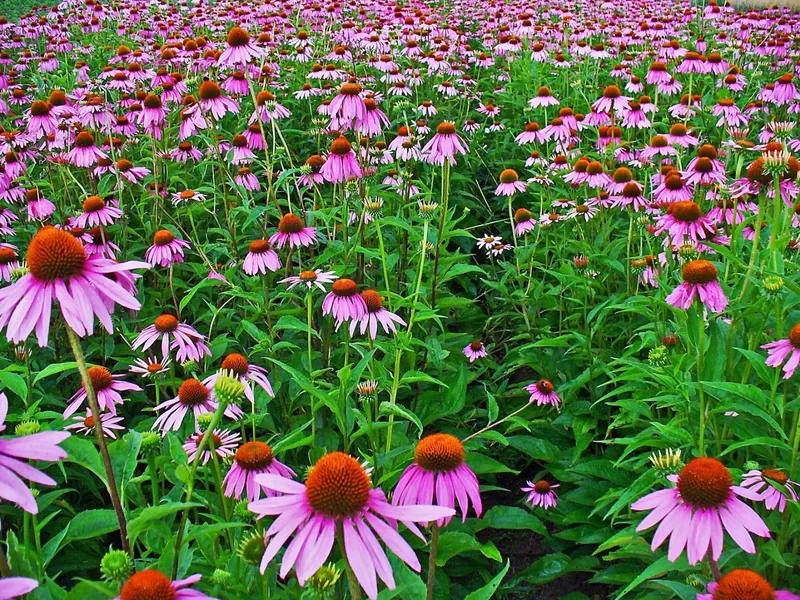
| Native perennials | Purple coneflower, swamp milkweed, wild bergamot, black-eyed Susan, prairie blazing star (Liatris spicata) | University of Minnesota |
| More natives | Milkweed, black-eyed Susan, purple coneflower, liatris, lobelia, penstemon | Missouri |
| Perennial flowers | Dianthus, phlox, gaillardia, Shasta daisy, poppy, salvia | Missouri |
| Perennials that need moist cold | Bleeding heart, columbine, globeflower, masterwort, garden phlox | University of Arkansas |
| Cool-season annuals (fall or winter) | Snapdragon, pansy, nasturtium | Missouri |
| Cool-season vegetables (late winter) | Broccoli, cabbage, cauliflower, lettuce, kale, spinach | Missouri |
| Self-sowing herbs and alliums | Dill, cilantro (coriander), fennel; alliums | SDSU |
| Herbs | Oregano, marjoram, thyme, chives, basil, parsley | Missouri |
| Warm-season vegetables (April only) | Tomatoes, peppers, zucchini, cucumbers | Missouri |

Vegetables: cool-season crops can be winter sown in late winter (Missouri). SDSU cautions that although brassicas are cold-hardy, their seeds germinate better in warm conditions, so they shouldn’t go outside too early, and in South Dakota it doesn’t recommend winter sowing heat-loving crops such as the tomato and squash families at all. Tomatoes, peppers, zucchini and cucumbers wait until April (Missouri); Illinois says the same for frost-sensitive zinnias, tomatoes and squash (March or April).
More on two popular natives: when to plant milkweed seeds, growing coneflowers and black-eyed Susan.
How to winter sow in milk jugs, step by step
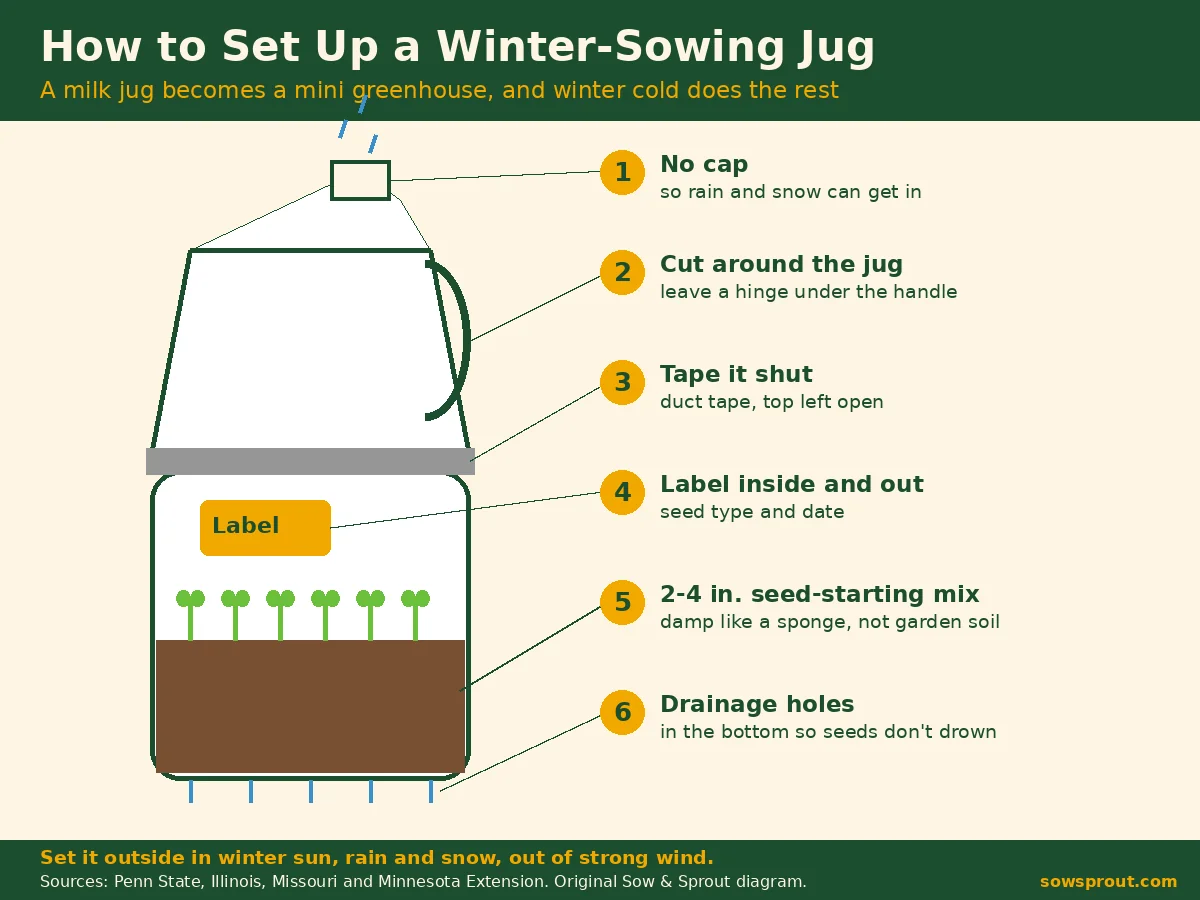
- Clean the jug. Wash it in warm, soapy water and throw away the cap; the open top lets rain and melting snow in (Penn State).
- Cut a hinge. Cut around the jug, leaving a strip uncut under the handle so the top hinges open: about 1.5 inches (Penn State) or about half an inch (Illinois). SDSU cuts about 4 inches up from the bottom.
- Poke drainage holes in the bottom. Penn State’s warning: “if you don't make drainage holes, your seeds will drown!”
- Add the mix. Use 2 to 4 inches of soilless seed-starting mix (Penn State, SDSU) or about 3 inches of well-draining potting mix (Missouri, Minnesota). Avoid garden soil, which may carry disease organisms and weed seeds (Penn State).
- Moisten it and let it drain. It should feel like a damp sponge (Illinois).
- Sow at the depth on the seed packet. Small seeds can sit on the surface (Illinois). UMD plants one type of seed per container and mixes tiny seeds with coarse sand or vermiculite to spread them.
- Tape it shut with duct tape, leaving the top open (Penn State, Missouri). Pipe cleaners or zip ties through holes work too, and open more easily (Penn State, SDSU).
- Label it with the seed and the date. Penn State prefers a laundry marker to a permanent marker; Minnesota and UMD label the inside and outside.
- Set it outside where it gets winter sun plus rain and snow, out of strong wind. Not on a covered porch: the seeds need the moisture (Penn State). A milk crate keeps jugs from blowing over (Penn State, SDSU).
Other winter sowing containers
Any clear plastic container that opens and closes can work: water jugs, soda bottles and salad containers (SDSU). UMD says to use translucent, not opaque, containers deep enough for 3 inches of mix. Every container still needs drainage holes in the bottom and an opening or vent holes in the top (Minnesota, Penn State).
Spring care: venting, watering and transplanting
- Vent on warm days. Once seedlings are up, check often: MU Extension warns that even in cold weather the inside of a jug can heat up quickly and wilt seedlings. Open it during the day and close it before sunset; once the weather warms, take the top off by day (Missouri, Illinois).
- Watch moisture. Look for condensation; if the mix is dry, water and adjust the venting (Minnesota). Add water only if the mix dries out (UMD).
- Cold snaps after germination. UMD suggests temporarily resealing the container or covering it with a sheet, blanket or row cover if temperatures drop below freezing; SDSU says containers may need to move to a garage.
- Be patient with natives. Some species sprout in early spring, some in late spring and a few take a year or more (University of Arkansas). SDSU says to keep watering if natives haven’t come up by May or June.
- Transplant when seedlings are 2 to 3 inches tall with true leaves (Missouri), or have 2 sets of true leaves (SDSU). Open the containers for 2 to 3 days first so the seedlings adjust (UMD). Cut flaps in the side to slide the clump out, then divide it and plant (Illinois); UMD cuts the clump apart with a sharp knife.
Winter sowing where winters are mild
If your winters don’t stay cold long enough, you can give seeds their cold period indoors. University of Maryland Extension describes putting seeds in a container with a moist paper towel in the refrigerator (about 40°F), checking the moisture, and leaving them 1 to 3 months depending on the seed, then sowing them in pots or outside. The University of Arkansas System Division of Agriculture gives 35 to 45°F as the best range for chilling pots of seed. For more on this method with milkweed, see when to plant milkweed seeds.
More guides
When to plant milkweed seeds What vegetables to plant in fall and winter Coneflowers Frost dates by ZIP ZIP planner Planting tips
Frequently asked questions
When should I start winter sowing?
For perennials and hardy annuals that need cold, December to March depending on your weather (Penn State Extension); Illinois Extension says to wait until January or February. Tender annuals and warm-season vegetables go in later, in March or April (Penn State; University of Missouri Extension).
When to start winter sowing in zone 6 or zone 7?
No extension source gives zone-by-zone start dates. Use the sources’ calendar window: cold-needing perennials from December or January, hardy annuals through March, adjusted for your local weather (Penn State; University of Minnesota Extension). Seedlings go out around your last frost: the median is April 26 in zone 6 and April 11 in zone 7 (NOAA normals).
What seeds can be winter sown?
Seeds that need or tolerate cold: native perennials such as purple coneflower, swamp milkweed, wild bergamot, black-eyed Susan and blazing star (University of Minnesota Extension), perennials such as columbine and garden phlox (University of Arkansas), cool-season annuals such as snapdragon and pansy, and cool-season vegetables in late winter (University of Missouri Extension). Look for “self-sows” or “requires stratification” on the packet (Penn State).
Can you winter sow vegetables?
Cool-season vegetables such as broccoli, cabbage, cauliflower, lettuce, kale and spinach can be winter sown in late winter (University of Missouri Extension). SDSU Extension says brassica seeds germinate better in warm conditions, so don’t put them out too early.
Can you winter sow tomatoes?
Only late. University of Missouri Extension starts tomatoes, peppers, zucchini and cucumbers in April, and Illinois Extension says frost-sensitive tomatoes and squash wait until March or April. SDSU Extension does not recommend winter sowing heat-loving crops in South Dakota.
What soil should I use for winter sowing?
A soilless seed-starting mix, 2 to 4 inches deep (Penn State; SDSU Extension), or about 3 inches of well-draining potting mix (University of Missouri; University of Minnesota). Don’t use garden soil, which can carry disease organisms and weed seeds (Penn State).
Can I winter sow in November?
Most extension guides start in December (Penn State; SDSU Extension) or January (Illinois; University of Minnesota). Illinois Extension warns that seeds sown too early can sprout in a warm spell and then die when it turns cold again. University of Missouri Extension is the exception for cool-season annuals such as snapdragon, pansy and nasturtium, which it lists to start in fall or winter.
Do winter-sown seedlings need to be hardened off?
Not much. Penn State says containerized seedlings do not need hardening off, and Illinois Extension says they harden off naturally. University of Maryland Extension still opens the containers for 2 to 3 days before transplanting.
Sources
- Penn State Extension: Starting Seeds in Winter
- University of Missouri Extension: Winter Sowing Seeds (YM105, Youth Gardening Activities); Turn milk jugs into mini-greenhouses
- University of Minnesota Extension: Jug it and grow: winter sowing for pollinator gardens
- University of Illinois Extension: Winter seed sowing
- University of Arkansas Cooperative Extension: Starting Seeds That Need Cold Stratification
- University of Maryland Extension: Winter Sowing: Growing native flower seeds outdoors in containers (Charles County Master Gardeners, PDF)
- North Dakota State University Extension: NDSU Extension
- NOAA National Centers for Environmental Information: U.S. Climate Normals 1991–2020
- South Dakota State University Extension: Winter Sowing in the Northern Great Plains