
What Vegetables to Plant in Fall and Winter (By Zone)
Quick answer
Plant cool-season crops: leafy greens, cabbage-family crops and root crops. To time them, count back from your average first fall frost by the crop’s days to maturity, then subtract about 14 more days, because growth slows as days shorten. By November that window has closed in most of zones 3 to 7 except for garlic and shallots, while zones 8 to 10 are in their main cool-season planting time.
Jump to
Updated
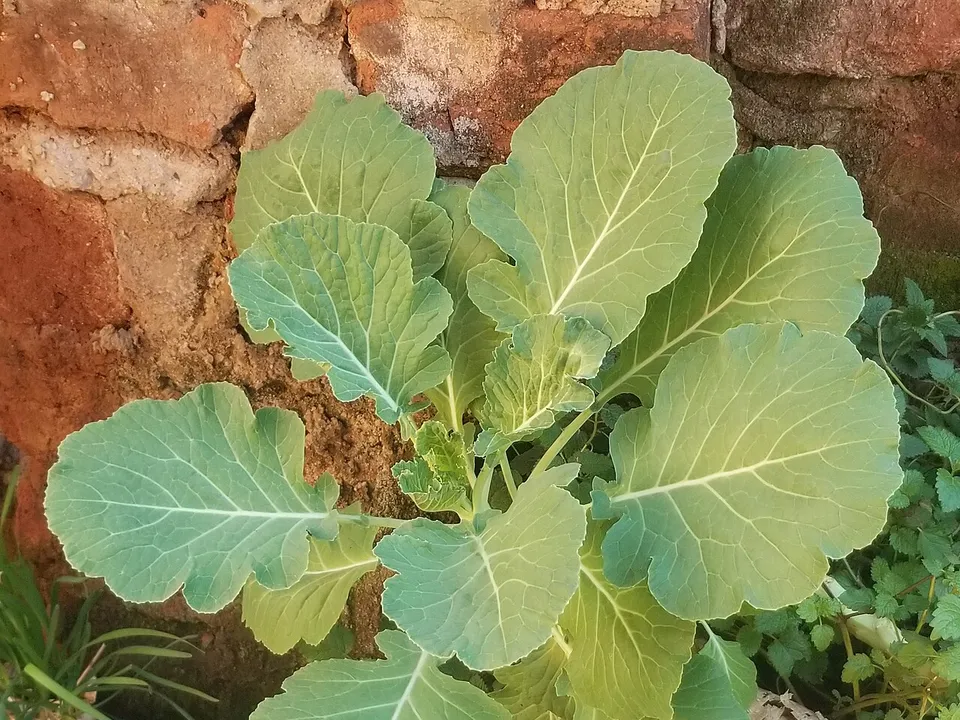

Fall is the season for cool-season vegetables: leafy greens, cabbage-family crops and root crops that sweeten after a frost. Here’s which vegetables to plant in fall and winter, how much cold each one takes, the latest planting dates for USDA zones 3 to 9 counted back from your first frost, and what you can still plant in November, from university extension guides.
Jump to: The planting rule How much cold each crop takes Latest planting dates by zone Is it too late? Growing through winter Fall planting tips
How to time fall vegetables: count back from your first frost
- Start from your first fall frost. Illinois Extension: find your usual first frost date, then “count backwards for the number of days it takes the crop to mature”, and “add a week or two for the fall factor.” Look up your date with the frost dates pages or the ZIP planner.
- Add two weeks for shorter days. UMD Extension says days-to-maturity numbers “increase for fall crops due to decreasing light and lower temperatures that slow growth.” Its fix: “Calculate the proper planting date by including a SDF of two weeks (14 days).” (SDF is its short-day factor.) The factor “is especially critical for crops that produce heads or pods; less so for root and leafy crops.”
- A worked example. UMD: to start harvesting 55-day beets on October 15, subtract 55 days (August 20), then subtract 14 more: “Plant seeds around August 7.”
- Don’t plant late. UMD: “Fall crops often fail because they are planted too late.” Days to maturity count “from seeding in the garden” for lettuce, spinach, beet, radish and leafy greens, and “from transplanting” for broccoli, cabbage, cauliflower and Brussels sprouts.
- Use transplants for cabbage-family crops. Illinois Extension says broccoli and cauliflower “are best done as transplants”. Texas A&M AgriLife agrees in general: “Fall crops generally do better when started from transplants than from seed.”
Which vegetables survive frost?
Cool-season crops handle cold very differently. UMD Extension: “Frosts increase the sugar content and improve the flavor of many cool-season crops”, and SDSU says root crops “develop more sugars when the soil temperature is below 40 degrees Fahrenheit”.
| How much cold | Vegetables (SDSU Extension) |
|---|---|
| No frost: harvest before a light frost, or cover | Beans, sweet corn, potatoes, pepper, eggplant, cucumbers, summer squash, melons, sweet potatoes |
| Light freezes, 28 to 32°F | Beets, carrot, cauliflower, lettuce, onion, garlic, chives, parsley, peas, radish, rhubarb, spinach, Swiss chard |
| Moderate freezes, 24 to 28°F | Broccoli, cauliflower (26°F), Chinese cabbage, cabbage, kale, kohlrabi, turnip |
| Best after several moderate freezes | Parsnips, salsify, Brussels sprouts |
| After several severe freezes (under 24°F) | Horseradish |
About this table: Groups and temperatures from SDSU Extension. Sources group a few crops differently: Illinois Extension lists lettuce as tolerating light frosts (32°F) and radishes as tolerating hard frosts (28°F), Iowa State says semi-hardy crops take “temperatures down to the upper 20s°F” and hardy crops “the mid to lower 20s°F”, and UMD lists lettuce as hardy and radish as half-hardy. Treat lettuce and radish as borderline.
Latest planting dates for fall vegetables by zone
These are the last dates to sow each crop so it matures by the typical first frost in your zone. Earlier is safer. Use the days to maturity on your own seed packet when you have it.
| USDA zone | Typical first fall frost (32°F), median (10th–90th pct) | Radish (25–35 days) | Turnip (40–50 days) | Spinach (37–55 days) | Kale (50–60 days) | Collards (50–60 days) | Mustard greens (40–45 days) |
|---|---|---|---|---|---|---|---|
| Zone 3 | Sep 23 (Sep 7 – Oct 1) | Aug 5 – Aug 15 | Jul 21 – Jul 31 | Jul 16 – Aug 3 | Jul 11 – Jul 21 | Jul 11 – Jul 21 | Jul 26 – Jul 31 |
| Zone 4 | Sep 30 (Sep 19 – Oct 7) | Aug 12 – Aug 22 | Jul 28 – Aug 7 | Jul 23 – Aug 10 | Jul 18 – Jul 28 | Jul 18 – Jul 28 | Aug 2 – Aug 7 |
| Zone 5 | Oct 7 (Sep 26 – Oct 18) | Aug 19 – Aug 29 | Aug 4 – Aug 14 | Jul 30 – Aug 17 | Jul 25 – Aug 4 | Jul 25 – Aug 4 | Aug 9 – Aug 14 |
| Zone 6 | Oct 19 (Oct 5 – Oct 28) | Aug 31 – Sep 10 | Aug 16 – Aug 26 | Aug 11 – Aug 29 | Aug 6 – Aug 16 | Aug 6 – Aug 16 | Aug 21 – Aug 26 |
| Zone 7 | Oct 28 (Oct 17 – Nov 8) | Sep 9 – Sep 19 | Aug 25 – Sep 4 | Aug 20 – Sep 7 | Aug 15 – Aug 25 | Aug 15 – Aug 25 | Aug 30 – Sep 4 |
| Zone 8 | Nov 10 (Oct 31 – Nov 20) | Sep 22 – Oct 2 | Sep 7 – Sep 17 | Sep 2 – Sep 20 | Aug 28 – Sep 7 | Aug 28 – Sep 7 | Sep 12 – Sep 17 |
| Zone 9 | Dec 3 (Nov 17 – Dec 26) | Oct 15 – Oct 25 | Sep 30 – Oct 10 | Sep 25 – Oct 13 | Sep 20 – Sep 30 | Sep 20 – Sep 30 | Oct 5 – Oct 10 |
About this table: Our calculation, not an extension table. Frost date: median first 32°F date (50% chance), NOAA NCEI 1991–2020 U.S. Climate Normals, median across the ZIP codes in each USDA zone, with the 10th–90th percentile in brackets. Latest planting = frost date minus days to maturity minus 14 days (UMD Extension’s short-day factor). Days-to-maturity ranges from UMD’s planting chart. Enter your ZIP in the planner for the dates at your nearest NOAA station.
- Hardy crops can go later in mild-winter zones. The table counts back to harvest by the first frost, but hardy crops keep growing after a light frost, so southern extension calendars run later. Texas A&M AgriLife lists spinach and radish seeding as late as Dec 1 in its Region IV, which it matches to USDA zone 9A (see below).
- Zone 10: only 30% of zone 10 ZIP codes’ nearest stations record 32°F in at least half of years, so a count-back date doesn’t apply. Use the Florida and California lists below.
- Zones 3 to 5: this year’s dates have passed. Use the table to plan next August.
What vegetables can I still plant in November?
- Zones 3 to 7: garlic and shallots. The leafy and root crop dates above have passed, but UMD Extension says “garlic, shallot, and multiplier onion can be planted in October for harvest the following spring/summer.” UMD’s chart gives a fall window of Oct 15 to Nov 15 for both garlic and shallots in Maryland. For your zone, see when to plant garlic and the garlic growing guide. Bulb onions follow their own timing: see when to plant onions (fall or spring, by region and day length).
- Zone 8 and the Southeast: see November garden tasks by zone and your state calendar, such as when to plant in Georgia.
- Florida (November, UF/IFAS): North Florida can “Easily transplant: arugula, beets, broccoli, Brussels sprouts, cabbage, cauliflower, Chinese cabbage, collards, kale, kohlrabi, sugarcane, and Swiss chard.” and should “Use seeds: carrots, onions (bulbing, bunching), radish, and turnips.” Central and South Florida lists add lettuce and endive, and South Florida adds tomatoes, peppers and eggplant. UF/IFAS is updating its planting dates; check your county Extension office. More: when to plant in Florida.
- Southern California: UC Master Gardeners of Orange County: “With the exception of chives, cool season vegetables are best planted from nursery starts in November. Leafy vegetables and brassicas grow well now.”
Texas. Texas A&M AgriLife’s fall guide splits the state into five regions and matches them to USDA zones (Region I is zone 6, II is 7, III is 8, IV is 9A and V is 9B). In the two warmest regions, these crops still have planting dates on or after November 1:
| Texas region | Average fall planting dates on or after Nov 1 (AgriLife Table 1) | Last optimum date for broccoli, Brussels sprouts, cabbage, cauliflower (Table 2) |
|---|---|---|
| Region IV (USDA 9A) | Beets, leaf lettuce, parsley Nov 1; carrots Nov 20; mustard, seeded onion, radish, spinach, turnip Dec 1; garlic cloves in November | Oct 20 |
| Region V (USDA 9B) | Broccoli, Brussels sprouts, cabbage, cauliflower, kohlrabi Nov 1; leaf lettuce, parsley Dec 1; beets, carrots, Swiss chard, collards, mustard, seeded onion, radish, spinach, turnip Dec 15; garlic cloves in December | Nov 20 |
About this table: Dates from Texas A&M AgriLife, Fall Vegetable Gardening Guide for Texas, Tables 1 to 3. In Regions I to III, Table 1’s fall dates are mostly past by November. More: when to plant in Texas.
What vegetables grow through winter?
- Overwintering greens. UMD Extension: “Fall crops that overwinter with protection and resume growth in spring include spinach, arugula, kale, mâche (corn salad), parsley, and chicories (radicchio, escarole, endive).”
- Root crops under mulch. UMD (Maryland): “Harvest beets, turnips, and carrots through December by covering the bed with an insulating mulch to prevent freeze damage to the roots.” SDSU says horseradish “can be stored in-ground overwinter with mulch”.
- Covers. UMD: “Use cold frames and row covers to nurture plant growth and provide some cold protection to extend the harvest period.” For frost nights, see how to protect plants from frost.
- Short days stop growth. UMD: “Vegetable growth is very limited when the total amount of sunlight per day drops below 10 hours. In Maryland, this is about mid-November through late January.” Plant early enough that crops are nearly grown by then.
- Go easy on fertilizer for winter greens. UMD: “Heavily-fertilized leafy greens can accumulate excessive nitrate under low-light conditions”, so use compost and organic fertilizers sparingly on protected greens you will harvest from December through February.
Fall vegetable planting tips
- Wait for cooler soil for lettuce and spinach. UMD: “Lettuce and spinach seeds are difficult to germinate when the soil temperature is above 70°F, so wait until the summer temperatures cool before planting.”
- Skip fall peas in most gardens. UMD: “Peas are difficult to grow in the fall because of high soil temperature and insufficient time for plants to produce pods prior to cold weather.”
- Prepare the bed. UMD: “Spread ½ to 1 inch of compost on top of the bed prior to planting. Keep seedbeds evenly moist”.
- Shade and moisture for seedlings. Illinois Extension suggests you “provide some shade to seedlings in the afternoon while the temperatures are still high”.
- Full sun. Texas A&M AgriLife says vegetable crops “must have at least 8 hours of direct sun each day”.
Crop by crop: broccoli · cabbage · lettuce · garlic. Month by month for your zone: zone 7, zone 8, zone 9 and the other planting calendars.
More guides
Winter cover crops by zone What flowers to plant in fall When to plant garlic First hard freeze dates Protect plants from frost November garden tasks by zone ZIP planner
Frequently asked questions
What vegetables can I still plant this late in fall?
In zones 3 to 7, garlic and shallots: University of Maryland Extension says garlic, shallot and multiplier onion can be planted in October for harvest the next spring or summer. In zones 8 to 10, cool-season crops still go in: Texas A&M AgriLife lists spinach, radish, turnip and mustard into December in its warmest regions, and UF/IFAS lists broccoli, cabbage, collards, kale, carrots and radish for November in Florida.
Is it too late to plant fall vegetables?
In most of zones 3 to 7, yes for leafy and root crops by November, because they need to mature before the first frost and short days slow growth. Garlic and shallots are the exception. In zones 8 to 10 it is still cool-season planting time. The zone table above gives the last sowing dates.
How do I figure out when to plant fall vegetables?
Count back from your average first fall frost by the crop’s days to maturity, then subtract about 14 more days, because growth slows as days shorten (University of Maryland Extension). Illinois Extension gives the same rule: count back the days to maturity and add a week or two for the fall factor.
Which vegetables survive frost?
SDSU Extension says beets, carrot, lettuce, onion, garlic, parsley, peas, radish, spinach and Swiss chard handle light freezes of 28 to 32°F, and broccoli, cabbage, Chinese cabbage, kale, kohlrabi and turnip handle moderate freezes of 24 to 28°F. Parsnips and Brussels sprouts are best after several moderate freezes.
What vegetables grow through winter?
University of Maryland Extension says spinach, arugula, kale, mâche, parsley and chicories such as radicchio, escarole and endive can overwinter with protection and resume growth in spring. Beets, turnips and carrots can be harvested through December in Maryland under an insulating mulch.
Can I plant potatoes this late in fall?
Only in a few warm areas. Texas A&M AgriLife gives an average fall potato planting date of Oct 1 for its Region IV (USDA 9A) and says potatoes are not recommended in Region V. SDSU Extension lists potatoes as not frost tolerant.
Sources
- University of Illinois Extension: Planting a Fall Vegetable Garden
- University of Maryland Extension: Fall Vegetable Gardening; Vegetables for Spring and Fall Planting (chart)
- South Dakota State University Extension: Fall Frost Tolerance of Common Vegetables
- Iowa State University Extension: Fall Planting of Vegetables
- NOAA National Centers for Environmental Information: U.S. Climate Normals 1991–2020
- UF/IFAS Extension: Text Version of What to Plant by Month
- University of California Agriculture and Natural Resources (UC ANR): November Garden Guide
- Texas A&M AgriLife Extension: Fall Vegetable Gardening Guide for Texas